AI-Powered
 Horizontal Cracks in Drywall and Foundation Cracks: When to Worry
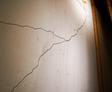
Seeing foundation cracks in walls can be unnerving for any homeowner, but they’re something that shouldn’t be overlooked. Knowing what’s behind these cracks and how they might affect your home’s stability and foundation health is crucial to maintaining safety.
This page explains the causes of horizontal cracks in drywall and foundation walls, how to prevent them, and which repair methods are most effective.
- What’s the Difference Between Foundation Cracks and Drywall Cracks?
- Types of Cracks in Walls
- Why Do You Have a Horizontal Crack in Your Wall?
- How Do You Know if a Foundation Crack is Serious?
- Choosing the Right Solution for Wall Cracks
- How to Prevent Horizontal Cracks
- Why Groundworks Is the Best Choice for Horizontal Crack Foundation Repair
What’s the Difference Between Foundation Cracks and Drywall Cracks?
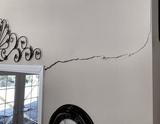
The difference between foundation cracks and drywall cracks lies in their location, cause, and severity. Horizontal cracks in drywall are usually cosmetic and visible on the upper levels, whereas horizontal cracks in basement foundation walls appear near ground level. Both can signal underlying pressure or shifting, but foundation cracks are more likely to indicate serious structural concerns. Left untreated, either type can worsen and impact your home’s stability.
Types of Cracks in Walls
The main types of cracks in walls include vertical, horizontal, diagonal, and stair-step cracks. Each signals different potential issues with your home’s foundation. Cracks include:
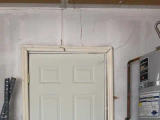
Vertical Cracks
Vertical cracks are often a sign of natural settling and are usually less concerning. Multiple vertical cracks, however, can indicate foundation movement.
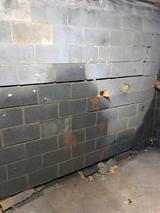
Horizontal Cracks in Walls
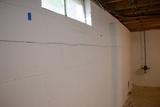
Horizontal cracks are more serious, as they may suggest excess pressure from external forces, such as soil pushing against the wall. This stress, known as hydrostatic pressure, can lead to structural failure if not addressed.
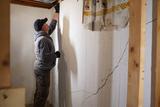
Diagonal Cracks
Diagonal cracks can indicate foundation shifts or uneven settling, often due to changes in the underlying soil. Cracks that are wider at one end or expanding diagonally over time should be evaluated immediately.
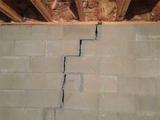
Stair-Step Cracks
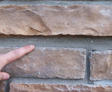
Stair-step cracks are common in brick or block walls, usually in basement foundations, and can be a sign of foundational movement or pressure. This pattern is particularly common in concrete block walls subjected to lateral soil pressure.
Recognizing the types of cracks in walls can help you understand the potential issues and know when to contact a foundation repair expert for an assessment.
Why Do You Have a Horizontal Crack in Your Wall?
Horizontal cracks in walls occur when external forces, often due to soil pressure or uneven settlement, exert pressure against your foundation or structure. Common causes include:
- Hydrostatic Pressure: Water pressure from the surrounding soil can push against your foundation, leading to bowing and horizontal cracks in walls.
- Expansive Soil: Soils that swell when wet can create immense pressure, which pushes against walls and causes cracks.
- Temperature Changes: Extreme weather or fluctuating temperatures can lead to wall expansion and contraction, causing cracks over time.
- Frost Heave: In colder climates, soil expands when frozen and exerts pressure on the foundation wall.
- Heavy Loads Near the Foundation: Vehicles or dumpsters parked close to the foundation can apply external force.
- Differential Settlement: When part of a home settles more than another, it creates stress on the structure that can lead to horizontal cracking.
Concrete block foundations are especially vulnerable to horizontal cracking due to their jointed structure. Taking horizontal foundation cracks seriously and identifying the root cause is crucial for protecting your home’s structural integrity.
How Do You Know if a Foundation Crack is Serious?
All horizontal foundation cracks are serious and should be professionally inspected as soon as possible. While vertical cracks are sometimes harmless, horizontal cracks typically indicate structural stress. Cracks to pay special attention to include:
- Cracks with Bowing Walls
- Wide Horizontal Cracks
- Stair-Step Horizontal Cracks
- Cracks Getting Bigger Over Time
- Diagonal Cracks That Spread
Choosing the Right Solution for Wall Cracks
The best repair method for a horizontal crack in a foundation wall depends on the cause of damage and the wall material. A foundation expert, such as those at Groundworks, will assess your wall cracks and underlying conditions to recommend the best solution. Repair methods include:
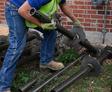
- Wall Anchors: Ideal for stabilizing walls under pressure from expanding soil. These anchors are installed deep into the surrounding soil and connected to your wall to counteract the external forces, gradually pulling the wall back into place.
- Carbon Fiber Wall Straps: These lightweight, high-strength materials are bonded to the wall to stop inward movement and support stabilization.
- Wall Braces (C-Channels): Wall braces provide internal support and are installed directly along the wall, offering reinforcement and preventing further inward movement. This is often a preferred choice when soil conditions or space requirements make outside anchoring difficult. C-channels are particularly useful when the wall is shearing at the bottom.
- Helical Tiebacks: These are drilled at an angle from inside the basement and anchored in the surrounding soil. No exterior excavation is needed.
- Piering System: Used primarily to address foundation settlement issues, piers are driven deep into stable soil layers to support and level a foundation. Pier types include push piers, which are driven through steel brackets into load-bearing soil to stabilize and possibly lift the structure. Helical piers, which are installed like corkscrews into the ground, are used when soil conditions are unstable or access is limited.
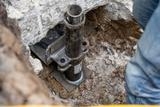
With these solutions, a foundation expert ensures a targeted approach to prevent cracks from worsening, restore stability, and prevent future issues.
How to Prevent Horizontal Cracks
You can help prevent horizontal cracks by managing water around your foundation and reducing soil pressure. Since most foundation problems are caused by excess moisture and poor drainage, take the following steps:
- Regrade your yard so water drains away from the foundation.
- Clean gutters regularly to prevent overflow near the base of your home.
- Avoid planting vegetation close to your foundation where roots and excess watering can impact soil moisture levels.
- Extend downspouts to direct water at least 10 feet away from the house.
- Install a drain tile system (interior or exterior) to relieve hydrostatic pressure. Exterior Systems: Trenched around the home’s perimeter with gravel and perforated piping to direct water away. Interior Systems: Installed inside the basement to intercept water and direct it to a sump pump.
These preventative measures work together to reduce water accumulation and keep soil pressure in check.
Why Groundworks Is the Best Choice for Horizontal Crack Foundation Repair
Groundworks offers professional solutions for horizontal cracks by accurately identifying causes and applying industry-leading repair methods. Cracks are your home’s way of signaling distress, and it’s crucial to pay attention. When it comes to horizontal cracks in walls, whether they’re in the drywall or foundation, Groundworks is the best choice for lasting solutions.
With decades of experience, we understand exactly how to address these issues, using proven methods to stabilize and protect your home. Don’t ignore the signs; schedule a free inspection today.
Horizontal Cracks in Walls FAQs
Sealing alone may be a temporary fix; the underlying issue, like foundation movement, needs to be addressed to prevent recurring cracks.
If you notice widening cracks, bowing walls, or if the cracks are accompanied by water intrusion, it’s best to get a professional inspection.
In severe cases, yes. Horizontal cracks caused by hydrostatic pressure or expansive soil can weaken the wall’s stability.