AI-Powered
 The Importance of Stabilizing your Home’s Floor Joist and Framing
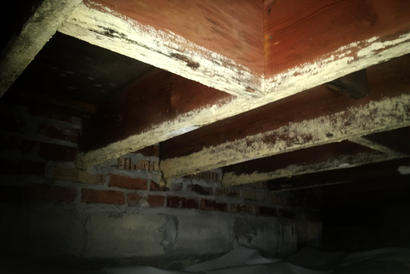
Floor joists, the horizontal structures that support your floors, can become compromised over time due to factors such as moisture, pests, and natural wear and tear. Without proper support and maintenance, weakened joists can lead to sagging floors, creaking noises, and even structural failures. Addressing issues with floor joist support and floor support beams early on can prevent costly repairs and maintain the integrity of your home.
In this article, we’ll explore how your joists support the weight of your home, as well as how they can weaken over time. Additionally, we’ll discuss possible foundation repair solutions for when your home’s floor joist support breaks down.
Why Floor Support Beams Are Important
Floor joists are essential structural components in a building, serving as the primary support for floors. These horizontal beams, typically made of wood or steel, are placed across the length and width of the building. They are located between the foundation and the subfloor, providing a stable base for the floor above. Floor joist spacing is carefully calculated to ensure even weight distribution and prevent the floor from sagging or collapsing under heavy loads.
The importance of floor joists extends beyond merely supporting the floor. Proper floor joist support is crucial for maintaining the integrity of the entire flooring system. They play a vital role in maintaining the structural stability of the entire building. Well-maintained floor joists prevent uneven floors, reduce the risk of creaking and bouncing, and enhance the overall durability of the home.
Why Floor Joists Fail

Floor joists can fail over time due to various factors. Prolonged exposure to moisture can lead to mold growth or wood rot, weakening the joists and compromising their structural integrity. This issue is especially prevalent in areas with high humidity or poor ventilation. Additionally, pest infestations, such as termites, can severely damage floor joists by eating away at the wood.
Another common cause of floor joist failure is improper floor joist spacing and inadequate floor joist support. If joists are spaced too far apart or lack sufficient support beams, they may not be able to handle the weight of the floor and its contents, leading to sagging or even collapse. Natural wear and tear from daily use can also degrade the strength of the joists over time.
When to Consider Replacing Floor Joists
If your floor support beams are starting to fail, you’ll usually know it. There are a number of warning signs associated with floor joist failure, such as:
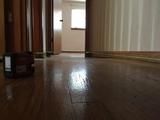
Sagging Floors
Sagging floors are a clear symptom of floor joist failure, often resulting from weakened or damaged joists. When the floor joist support is compromised, the floor loses its ability to remain level and begins to dip or bow in certain areas. Addressing this issue promptly by reinforcing the existing floor support beams or replacing floor joists is crucial to prevent further structural damage.
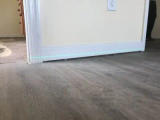
Uneven Floors
Uneven floors appear when floor joists deteriorate or when floor joist spacing is not properly maintained, causing parts of the floor to settle at different rates. As a result, you may notice slopes or bumps in the flooring, which can damage furniture and pose tripping hazards. Ensuring proper floor joist support and spacing can help maintain a level floor surface.
Sticking Doors and Windows
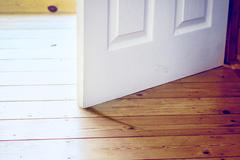
As floor joists weaken and the support system of the house shifts, it can cause the walls and frames to become misaligned. This misalignment can result from inadequate floor support beams or compromised joists failing to provide sufficient stability. Consequently, doors and windows may not open or close smoothly.
How to Reinforce Failing Joists
Professional foundation repair is often the best approach to address damaged or failing floor joists. Professionals can accurately diagnose the extent of the damage and implement the perfect solution to reinforce your floor joist support. Additionally, they can address underlying issues, such as poor drainage or ventilation, that may have contributed to the floor joist failure.
Crawl space support jacks are a reliable and long-lasting method to reinforce failing floor joists. These adjustable jacks are designed to offer robust support where floor joists have weakened or sagged, ensuring the structural integrity of the entire flooring system. By distributing the weight evenly and providing additional support to compromised areas, crawl space support jacks can effectively address your foundation’s stability issues without replacing floor joists, which can be expensive.
Go with Groundworks for Expert Foundation Repair

If you’re experiencing signs of floor joist failure such as sagging or uneven floors, it’s crucial to act quickly to protect your home’s structural integrity. Groundworks offers expert foundation repair solutions tailored to reinforce your floor joists and ensure long-term stability.
Contact us today to schedule a free inspection and discover how our specialized services can restore your home’s foundation!
Floor Joist FAQs
An overspanned floor joist is one of the most frustrating problems that you can have in your home. It typically causes sagging floors and other related overarching problems. It can also have a negative impact on the crawl space construction and the overall construction of the home. However, trying to fix this problem on your own is not the right step.
- Problems with DIY Fixes
You shouldn’t attempt to fix your overspanned floor joists on your own. You might accidentally damage the other systems embedded within the space in your attempt to fix just one problem.
Additionally, overspanned floor joists can be an extremely complicated problem that needs an equally complicated solution. In an attempt to “fix” your crawl space, your DIY attempts could just make things worse.
- Getting Help from a Crawl Space Expert
You should leave the repair of overspanned floor joists to the crawl space experts. They’re used to working within these slim spaces without damaging any of the crucial systems they contain.
A crawl space expert will also have the right equipment to permanently support your floor joists. If you’re having issues with your floor joists, definitely get in contact with a Groundworks expert to learn more about your options.
You don’t ever want to attempt to repair floor joists as a DIY project. Floor joists are what hold your home up; if you tackle it as a DIY enthusiast, you’re probably going to make some mistakes. Those mistakes can be deadly to your home, causing huge problems that can cost thousands of dollars to fix.
- Mistakes as a DIY Enthusiast
You don’t want to make DIY mistakes with your floor joists. At best, you’ll end up with a fix that only lasts for a few weeks. At worst, you could end up making your floor collapse. A DIY fix is almost invariably going to cost more than an expert fix and it’ll be much less effective. This is the case for several reasons, but it mostly has to do with skills, experience, and the tools available to you.
Any kind of structural repair is risky for an amateur because the costs of making a mistake can be incredibly high. Making a mistake when repairing your floor joists could be outright dangerous if you do not have the experience and training to undertake the work. Furthermore, some tools are just not available to non-professionals through hardware stores. Undertaking any kind of work without the right tools is a guaranteed path to disaster.
- Passing the Job to an Expert
These reasons are exactly why it’s best to pass your floor joist repairs to an expert from Groundworks who has important knowledge about the process. With a Groundworks expert on the job, you’ll be much more likely to end up with a fix that works in the long run and addresses the needs of your property. Our team is highly trained, skilled, and experienced. What’s more, we ensure that our technicians take a customer-centric approach to every job.
This means that you benefit not only from a quicker, cleaner, and more cost-effective process but that you will feel informed and in control throughout. You can kick back and rest easy while we complete floor joist repairs that will stand the test of time. Better still you will get these quality and cost-effective repairs with no danger of foul-ups.
Floor joist problems can be a concern no matter what symptoms you are or aren’t noticing. Plus, it’s common for floor joist problems to indicate themselves through symptoms that don’t seem like symptoms to the average individual. So, in short, yes you could have floor joist issues without even knowing it.
- Subtle Symptoms
There are some very subtle signs of floor joist damage that you could easily miss if you’re not very knowledgeable about the issue. If you think that you’re having floor joist problems, you might not notice much except for a very slight slant or a musty smell in your crawl space that slowly creeps into your home at large. These are important things to pay attention to. Just because the symptoms seem mild to you doesn’t necessarily mean that they’re truly mild.
Unevenness of any kind, for example, is very symptomatic of damage to your joists or even to your property’s foundation. For example, if the tilt is pretty consistent from one side of the room to the other, you may be dealing with foundation damage, but if there are inconsistent pockets or dips, damaged joists likely are to blame.
- Problems Regardless of Symptom Severity
Even if the symptoms you’re seeing are relatively mild, that doesn’t mean you can ignore the problems they’re indicating. Floor joist concerns are very serious regardless of the severity of the symptoms you’re experiencing. Even the smallest signs of damage could be hiding a whopper of a problem; floor joists can go from cracked to collapsed in frighteningly short amounts of time.
As such, if you see dips in your floor, or you feel that certain sections are slightly springier or bouncier than they should be, you should investigate immediately. If you can enter your crawl space, you should do so; if you are not able to, or if you are not confident, you should call an expert. Getting a professional opinion on the state of your home and the best solutions is crucial.
- Getting an Expert’s Opinion
It’s always a good idea to get an expert crawl space inspector into your home every year for a maintenance appointment. Even if you don’t notice certain symptoms and problems, a crawl space repair expert will inspect the floor joists directly, making it easier to identify whether some of them have problems. By catching small signs of damage, or warning signs of the onset of damage, an expert will be able to formulate a response quickly.
This will, in turn, lead to a better, quicker solution for you. Of course, if you notice damage or troubling signs of damage in your home between appointments, you should not hesitate to contact a professional. This will ensure that your home gets the help and treatment that it needs before the damage can spiral out of control.
Related Resources