

 AI-Powered
 An Elevator Pit Sealing Solution for Cracked Pits
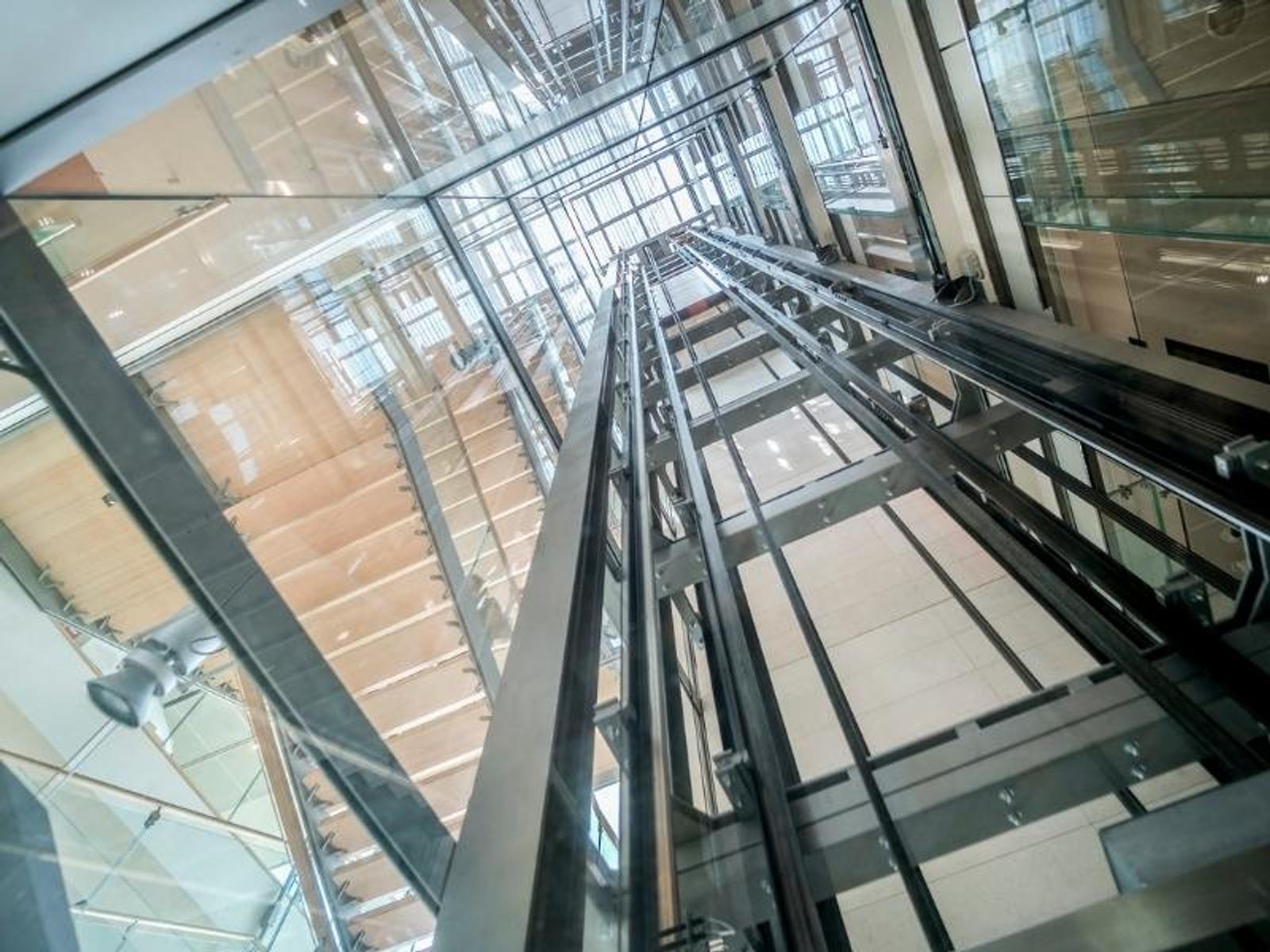
For most people, riding an elevator is routine—step in, press a button, arrive at your destination, step out. But for business and commercial property owners, elevators represent more than convenience. They’re essential infrastructure that supports accessibility, efficiency, and safety. Elevators eliminate the need for stairs on a long day, simplify transporting heavy equipment or supplies, and most importantly, make buildings more accessible for people with disabilities.
Despite their importance, elevator systems aren’t immune to wear and tear. Over time, the elevator pit—the lowest part of the shaft—can experience deterioration that threatens both performance and safety. In this article, we’ll explore the signs of elevator pit damage and how Groundworks Commercial can help restore and protect this critical structure with elevator pit sealing.
Signs of Elevator Pit Damage
Business and commercial property owners should look out for these signs of damage to their elevator pits:
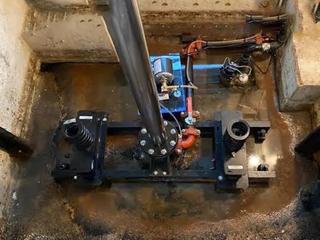
- Visible Water or Dampness: If you notice dampness, trapped moisture, or even drips from the walls of your elevator pit, moisture intrusion may be occurring.
- Cracks in Pit Walls or Floor: Cracks are always a cause for concern in concrete structures. They may point to structural problems, and in elevator pits, they may allow moisture intrusion.
- Mold or Mildew Odor: If you, your employees, or customers are experiencing funky smells in the elevator, especially mold and mildew scents, those may point to moisture intrusion.
- Rust or Corrosion on Equipment: Rust or corrosion on equipment may indicate that moisture has intruded into the elevator pit.
- Standing Water: Water should not stand in the bottom of your elevator pit- if you notice standing water, this suggests poor drainage or seepage.
The Groundworks Solution
When elevator pits begin to show signs of deterioration, Groundworks provides a comprehensive, low-disruption solution designed to keep your building safe, dry, and operational. The multi-layered approach targets the root of the problem—moisture intrusion—while restoring the structural integrity of the pit.
- Polyurethane Injection: We use high-density polyurethane to form a durable moisture barrier around the elevator pit. Once injected, the material expands to fill voids and seal cracks, creating a grout curtain that blocks groundwater from entering and migrating into the pit.
- Interior Waterproofing and Sealants: To further protect the structure, we may also apply high-grade sealants from the inside of the pit. These sealants caulk and seal joints and cracks, preventing corrosion, mold, and mildew while extending the life of the concrete.
- Drainage Solutions: For high-moisture or flood-prone areas, drainage systems offer an added layer of protection. Specialized drains may be installed to redirect water away from the pit, minimizing moisture buildup and reducing the risk of recurring damage.
Complete Elevator Pit Sealing Solutions
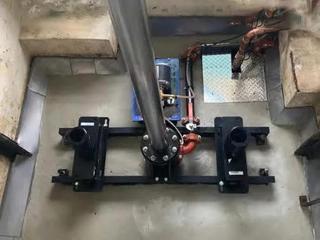
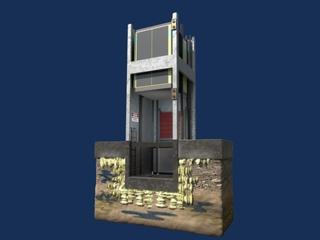
Each of these methods plays a role in a broader strategy—one that prioritizes long-lasting protection with minimal disruption to your operations.
Elevator systems are vital to the daily function and accessibility of commercial buildings—but when moisture and deterioration compromise the pit, it puts both safety and operations at risk. Groundworks offers proven solutions that stop water intrusion, reinforce structural integrity, and extend the life of your elevator infrastructure.
Whether you’re seeing early signs of damage or already dealing with water intrusion, the best time to act is now. Trust Groundworks Commercial to deliver efficient, long-lasting repairs with minimal disruption to your business.
Contact us today to schedule an inspection or learn more about our elevator pit repair and waterproofing services.