

 AI-Powered
 Fast, Effective Transition Slab Leveling
Groundworks uses polyurethane injection to lift and stabilize sinking bridge transition slabs, creating a smooth, level transition between the road and bridge. This process minimizes disruption, addresses settling, and provides durable support for bridge approaches and departures.

Quick, Precise Leveling for Bridge Approaches
Groundworks’ bridge transition slab leveling service lifts and stabilizes slabs with polyurethane injection, ensuring a seamless, even surface between road and bridge. This efficient, non-disruptive process minimizes downtime and keeps traffic flowing smoothly over critical infrastructure.
Polyurethane Injection for Lifting and Leveling Bridge Slabs
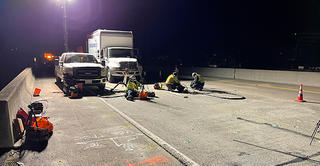
Our polyurethane injection service raises sinking or uneven bridge transition slabs by injecting polyurethane beneath the slab. The high-density polyurethane expands, filling voids, lifting the slab to restore a level surface, and stabilizing soils below. This process provides a quick, durable solution for bridge approaches and departures, delivering even transitions on both asphalt and concrete surfaces. Suitable for tight and high-traffic areas, polyurethane injection minimizes disruptions and enhances long-term stability.
Signs Your Bridge Transition Slabs Need Lifting
Uneven bridge transition slabs can cause jarring for drivers, can damage vehicles, compromise road safety, and lead to ongoing maintenance costs. Look for these signs to determine if slab lifting is needed.

- Uneven Transitions Between Road and Bridge: Noticeable height differences signal slab settling.
- Gaps or Cracks at Approach or Departure: Cracks or gaps indicate soil movement beneath the slab.
- Vehicle Bumping or Jostling: Bumpy transitions often result from unlevel slabs.
- Pooling Water Near Transition Slabs: Persistent water indicates drainage issues impacting soil stability.
- Surface Cracks: Surface damage may point to underlying soil instability.
Benefits of Bridge Transitions
Groundworks’ bridge transition slab lifting service re-establishes a smooth, stable transition for government infrastructure, minimizing disruption to traffic flow.
- No Excavation Required: Polyurethane injection lifts and levels slabs without disruptive excavation.
- Quick Installation: The process minimizes downtime, keeping bridges and roadways open to traffic.
- Strengthens and Densifies Soil: Expanding high-density polyurethane fills voids and stabilizes the soil base.
- Compatible with All Materials: Works effectively on both asphalt and concrete.
- Ideal for Restricted or High-Traffic Areas: Quick application suits all site conditions.
Ensure Smooth, Safe Bridge Transitions with Groundworks’ Polyurethane Slab Lifting Solutions.
Products We Use
Polyurethane Injections
What We Do
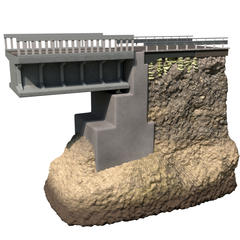
We repair and stabilize bridge transitions using high-density polyurethane injection to address settlement, fill voids, and reconnect displaced soils. Our solutions ensure smooth, durable transitions and long-term performance.
How It Works
We inject high-density polyurethane beneath the bridge transition to fill voids, stabilize soils, and lift settled areas. The expanding foam quickly cures, restoring a smooth and durable surface with minimal disruption.
Case Studies
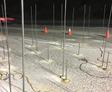
Solutions for Diverse Industries
From government projects to industrial facilities and commercial developments, Groundworks delivers engineering-led foundation solutions to tackle the toughest challenges across a wide range of sectors.


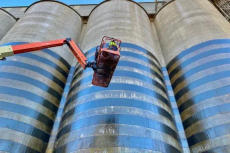
Names You Know Trust Groundworks with Their Toughest Foundation Issues






We want to learn about your project.
FAQs
Our high-density polyurethane is injected under the slab to lift it back to level, filling voids, stabilizing soil, and restoring a smooth transition between the road and bridge.
Yes, polyurethane injection minimizes disruption and allows for quick re-leveling, making it ideal for high-traffic and remote locations.
Absolutely—this method is effective for both asphalt and concrete surfaces.
Poor drainage, erosion, soil compaction, and vibration near bridge abutments often contribute to settling.
The injection process is fast, restoring stability and leveling the slab with minimal downtime.