

 AI-Powered
 From Hawkins to Your House: What a Rift Would Do to Your Foundation

In the Stranger Things Season 4 finale, the chaos that erupted across Hawkins wasn’t just a supernatural spectacle; it had real-world seismic weight. According to show insiders and fan analyses, the force of the Creel House gate opening and subsequent rift through Hawkins was equivalent to a 7.4-magnitude earthquake.
Let’s pause there. A quake of that magnitude is severe by geological standards. It can crack highways, collapse buildings, and reshape landscapes. Now, imagine your 1950s or 1960s colonial-style home sitting right on top.
In this article, we’re matching Hawkins-inspired destruction with real-world home repair realities. From crumbling foundations to cracked driveways, we’ll walk through what would split, sink, or shatter in your home.
Cue the creepy synth. Things are about to get…Upside Down.
Spoiler Alert: If you haven’t finished Season 4 (or if you’re emotionally unprepared), consider this your warning. The damage ahead is… Vecna-level. Proceed with caution.
- Foundation Fractures: Cracks That Scream “Vecna Was Here”
- Basement Walls Bow Like the Creel House
- Slab Heave and Concrete Chaos – Driveways, Garages, Patios
- Brick Chimneys Collapse Like Demogorgons Through Your Living Room
- The House Shifts Off Its Foundation
- The Final Damage Report
- The Real Threat Isn’t Monsters. It’s Being Unprepared.
Foundation Fractures: Cracks That Scream “Vecna Was Here”

When the rift ripped through Hawkins, it didn’t just split dimensions; it split homes. This type of damage can collapse buildings, fracture roads, and send entire neighborhoods crumbling, supernatural or not.
So let’s say your home is in the blast radius of that kind of force. Here’s what would happen to your foundation:
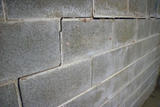
What Happens:
- Diagonal “shear” cracks along basement walls. Wide enough to slide a Mind Flayer tentacle through
- Slab separation from the footing as the ground shifts beneath your house
- Cold joint failures, especially in homes with original 1950s or 1960s concrete pours
- Crawl space collapses or dangerously leaning support piers
Why It Matters:
Your home could literally pull itself apart from the bottom up. Sloping floors, cracked drywall, sticking doors…those are just the opening credits. Major structural settlement means your house may be unsafe to occupy, and without intervention, the damage only worsens over time.
Basement Walls Bow Like the Creel House
You remember the Creel House scene…walls buckle, plaster explodes, everything shudders. Now imagine your concrete or block basement walls doing the same.

What Happens:
- Walls bow inward under lateral quake pressure
- Water enters through new cracks
- Reinforced steel (if it exists) is tested to its limits
Why It Matters:
Bowing leads to collapse; it’s one of the scariest foundation failures, especially when water gets involved.
Slab Heave and Concrete Chaos – Driveways, Garages, Patios
Concrete slabs don’t roll with the punches; they crack. And if your home has a slab-on-grade garage, front stoop, or concrete patio, expect damage that looks like the Upside Down clawed through.
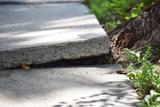
What Happens:
- Vertical lifting or “heaving” of slabs
- Cracks that spiderweb through driveways and walkways
- Gaps at entry points, making doors unusable
Why It Matters:
Beyond trip hazards, these gaps expose your foundation to moisture and pests.
Brick Chimneys Collapse Like Demogorgons Through Your Living Room
In Hawkins, most homes were built between the 1940s and 1980s, classic colonials and mid-century ranches with signature red brick chimneys and decorative facades. But here’s the scary part: those charming brick chimneys? Total goner in a quake-level event.
When the Hawkins Rift splits open, the ground shakes, hitting unreinforced masonry like a Demogorgon smashing through drywall.
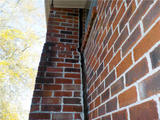
What Happens:
- Full chimney collapse due to a lack of support
- Stair step cracking in the brick veneer near corners and windows because of movement
- Separation between brick and mortar joints, letting in water and pests
Why It Matters:
Falling bricks are dangerous, and repairing a chimney isn’t just about curb appeal. It’s about fire safety and structural integrity.
The House Shifts Off Its Foundation
In the season finale, we see the Wheeler house violently shake and shift off its base, a chilling reminder of what happens when the ground moves and your home isn’t ready for it.

What Happens:
In a small town like Hawkins, many houses are older colonials or mid-century builds from the 1950s–60s. Without seismic retrofitting, these homes are susceptible to sliding right off their foundations during intense ground shaking. Here’s what that looks like:
- The sill plate shifts: That’s the part connecting your home’s framing to the foundation. With that much shaking, it can slide loose.
- Doors and windows jam: Misalignment causes them to stick or not open at all.
- Visible separation: You might see cracks or gaps where the walls once met the floor.
Why It Matters:
This level of movement means the home may not be safe to occupy. It’s a “red-tag” scenario, requiring professional lifting and structural repair before anyone can move back in.
The Final Damage Report
Okay, deep breath. We’ve already dissected the destruction section by section. Now it’s time to step back and take in the full Hawkins-level horror.
Here’s what that rift (or a real-world quake of similar force) would do to your home in one big, scary snapshot:
- Your foundation could split open with diagonal cracks, failed joints, and slabs that shift like puzzle pieces.
- Basement walls? Bowing, buckling, and leaking as lateral pressure overwhelms them.
- Driveways and patios would twist and shatter, trip hazards and water traps waiting to happen.
- Chimneys and facades, especially on those charming mid-century colonials, might just collapse in a very un-charming pile of bricks.
- The whole house could slide off its foundation, if not anchored properly, cue the major repair crews.
We’ve covered all of this (in alarming detail), but seeing it all stacked up reminds you just how vulnerable homes are when the ground decides to go full Vecna.
Of course, not every home will experience every kind of damage (unless you live in Hawkins, in which case… our condolences). But it’s a solid reminder that small cracks today can lead to big problems tomorrow.
The Real Threat Isn’t Monsters. It’s Being Unprepared.
When the rift tore through Hawkins, it didn’t just shake things up; it destroyed streets, split open the earth, and ripped through homes. The damage was massive, the kind you’d expect from a 7.4 magnitude earthquake.
In the real world, an earthquake like that could devastate a mid-century colonial, especially if the foundation was already weak or aging.
Let’s be honest.
No foundation repair can make your home completely earthquake-proof.
But having a strong, professionally stabilized foundation before the shaking begins can dramatically reduce the damage.
The smartest defense is not a last-minute scramble; it’s preparation long before disaster strikes.
Groundworks doesn’t fight monsters, but we know how to battle foundation damage.
Get ahead of the chaos. Schedule your free inspection today to ensure your home is ready for whatever comes next.
