AI-Powered
 Rooted Risks: What Homeowners Need to Know About Trees and Foundations

Homeowners often see trees as nothing but positives. They provide shade, boost curb appeal, and add value to your property. But what many don’t realize is that those same trees, especially when planted too close, can become a serious threat to your home’s foundation.
To get a clearer picture of how landscaping choices affect structural integrity, we spoke with Clint Dixon, a foundation expert from Groundworks, North America’s leading foundation repair company. With more than 15 years of experience inspecting and repairing homes impacted by root intrusion and soil movement, they helped us understand the hidden risks and what homeowners can do to stay ahead of the damage.
The Trouble Starts Underground
Tree roots naturally seek out moisture, and concrete foundations are often surrounded by damp, nutrient-rich soil. That makes them a prime target for aggressive roots, especially from species like willows, silver maples, poplars, and elms.
Dixon says, “Just because you don’t see roots at the surface doesn’t mean they aren’t there. In fact, root systems often extend two to three times wider than the tree’s canopy, and that hidden spread is where the real risk to your foundation lies.”
Roots don’t need to bust through concrete to cause problems. Instead, they shift the soil around your foundation, dry out expansive clay, and create voids, destabilizing your home over time.
Signs Your Trees Might Be Too Close
Most homeowners only notice tree-related foundation problems once they’re advanced.
“When the canopy hangs over your roof, that’s usually a late-stage warning. The bigger danger is what’s happening underground. We routinely find major cracks and settlement caused by roots that homeowners had no idea were spreading beneath their property,” says Dixon.
Here are some red flags that roots may already be interfering with your foundation:
- Basement or crawl space wall cracks (especially diagonal or horizontal ones)
- Doors or windows that stick or don’t close properly
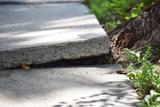
- Visible roots lifting sidewalks, patios, or driveways
- Shifts in soil grade or sudden dips around the yard
- Water in the basement or crawl space during dry spells
If you spot any of these signs, it may be time to call the experts before the roots cause more damage.
How to Keep the Trees and the House
Homeowners don’t need to panic and clear-cut their yards; a little foresight goes a long way.
As Dixon puts it, “You don’t have to remove every tree near your home. What you need is a long-term plan. With the right maintenance, trees and foundations can safely coexist without putting your property at risk.”
That long-term thinking starts with knowing which trees pose the greatest risk and how to manage them.
Here are some proactive strategies that help protect both your landscape and your foundation:
- Plant large trees at least 20–30 feet away from the home to reduce root intrusion risk
- Install root barriers early, especially near fast-growing or aggressive species like willows or silver maples
- Prune regularly to manage the canopy, which in turn limits how far the roots will spread
- Monitor for signs of foundation movement, like cracking walls or sticking doors and windows
- Schedule professional foundation inspections to stay ahead of any creeping root-related issues
Preventive care today can save thousands of dollars in repairs later, allowing you to keep your trees and your peace of mind.
Year-Round Tree and Foundation Maintenance
Tree-related foundation damage doesn’t happen overnight. It results from slow, hidden changes in soil and moisture combined with steady root pressure.
“Foundation problems tied to tree roots don’t happen overnight. It’s a slow process. Over years, shifting soil, moisture changes, and steady root pressure gradually weaken the structure until cracks and settlement finally appear,” Dixon says.
That’s why a proactive, seasonal maintenance routine is so important. By staying ahead of problems, homeowners can spot early warning signs and prevent minor issues from becoming major repairs.
Some key practices include:
| Season | Home Maintenance Tasks |
|---|---|
|
Spring
|
|
|
Summer
|
|
|
Fall
|
|
|
Winter
|
|
Expert Help Makes All the Difference
Trees and homes can coexist, but it works best when homeowners stay ahead of potential issues.
Many people are deeply attached to their trees, and rightfully so. But protecting the structure of your home should be just as important.
It’s about understanding the risks and having a proactive plan in place. With the right care and awareness, you can enjoy a shaded yard and a stable foundation.
That’s why partnering with a trusted foundation repair expert like Groundworks is essential. Together, we can help you spot problems early, recommend preventative solutions, and make sure your home stays secure for years to come.