

 AI-Powered
 Elevator Pit Sealing to Stop Standing Water
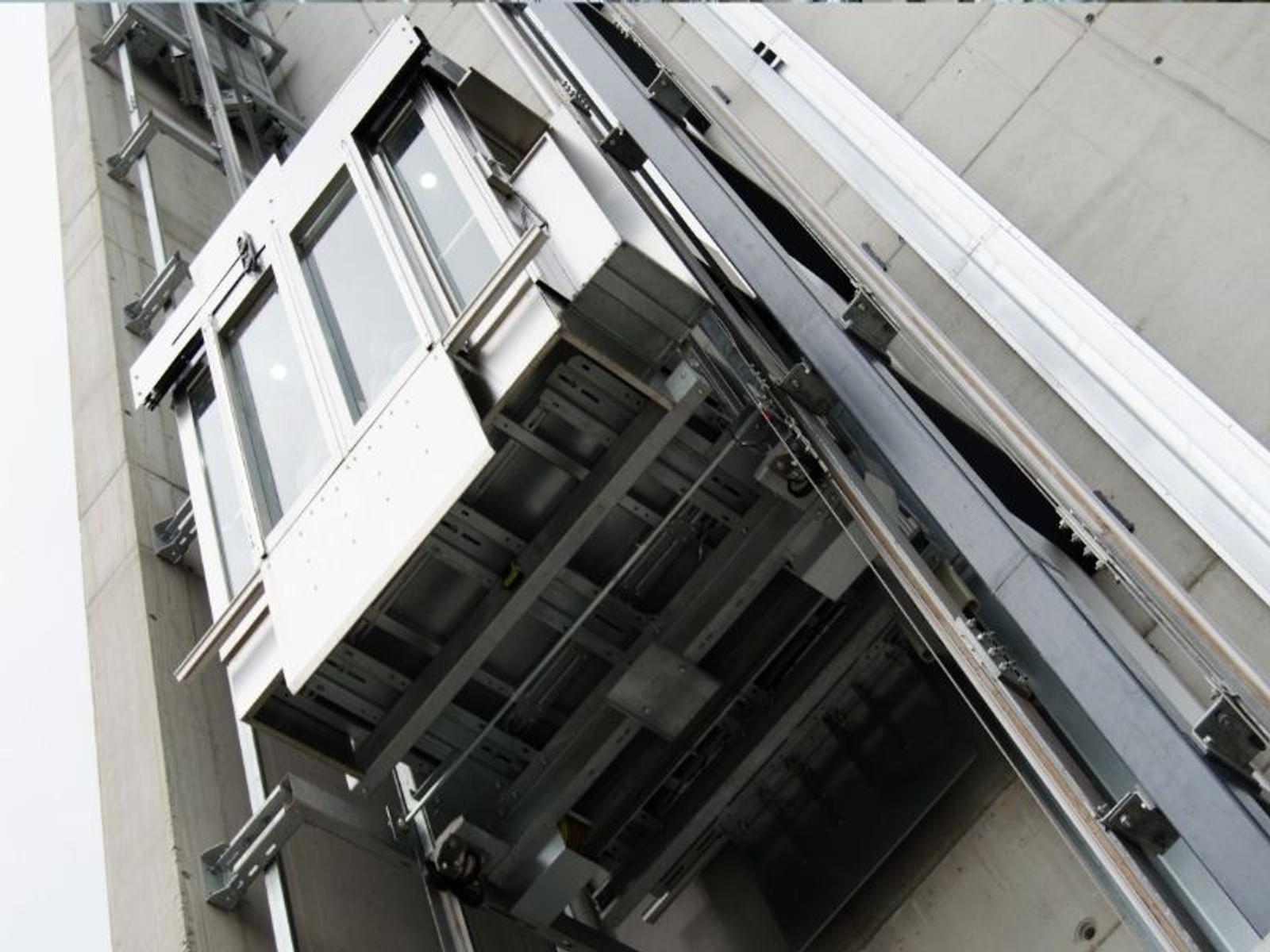
For most people, elevators are a simple way to get from point A to point B, from one floor to the next. For engineers and building owners or managers, however, these structures are feats of engineering that require maintenance and care. Unfortunately, the elevator pits we rely on from day to day are especially vulnerable to water intrusion. In this article, we will explain why these structures may become a victim to standing water, and the multitude of services offered by Groundworks that help seal elevator pits.
Why Standing Water and Moisture Intrusion Occurs in Elevator Pits
Elevator pits, particularly those where the bottom of the pit is recessed underground, may experience water intrusion during their lifetime. This moisture can make its way in because of high water tables, periods of heavy rainfall, cracks in the walls, deteriorated caulk/sealant, and more. Here’s some signs of moisture intrusion in elevator pits:
- Cracks in walls
- Drips or condensation on walls
- Standing water at the bottom of the pit
- Mold or mildew smells
- Rust and corrosion on equipment
Groundworks Elevator Pit Sealing Solutions
We offer a multitude of services to help elevator pits dealing with water intrusion. Our different elevator pit sealing services provide commercial properties with dependable protection against groundwater intrusion, preserving structural integrity and pit safety.
Polyurethane Injection
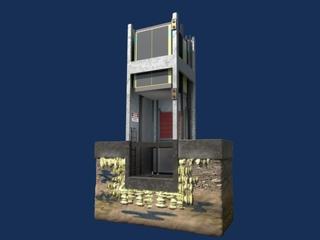
During this service, polyurethane is injected into the soils surrounding the base of the elevator pit. The polyurethane expands to fill the gaps in the soil, seal cracks, and create a barrier that stops groundwater from infiltrating elevator pits.
Sealant and Caulking
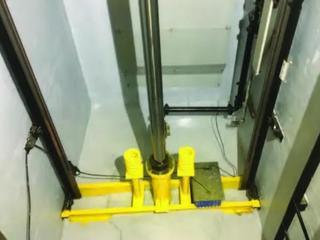
Sealant and caulk can be applied from the inside of the elevator pit. The high-quality sealant is placed into cracks and joints in the structure, preventing moisture from getting inside. This method provides the walls protection from mold or mildew growth and the equipment from rust and corrosion.
Drain Installation
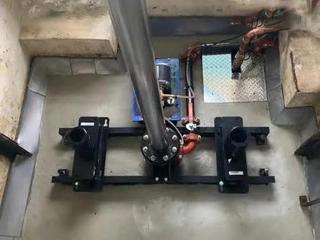
Installing drains at the bottom of elevator pits provide an exit for water that gets inside, making them an excellent option for pits that frequently experience flooding. The drains our team uses are specialized and redirect standing water away from equipment.
Contact Groundworks for Elevator Pit Sealing
Standing water can damage elevator pits and the equipment used to bring elevators up and down. Prevent or stop this damage by contacting Groundworks and scheduling your elevator pit sealing service. Our team can deliver durable, long-lasting repairs with minimal disruption to your business.