AI-Powered
 How Drought Damages Your Sump Pump
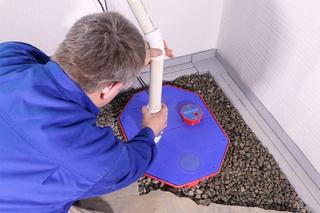
According to research from U.S. Drought Monitor, much of the country is expected to experience drought conditions at some point in 2026. While you may not think a lack of rain can threaten your basement waterproofing system, the truth is more complex. Prolonged periods of drought can damage your sump pump, putting your home at risk of leaks, floods, and other moisture issues when the rains return.
In this article, we’ll explore how drought affects a sump pump and how regular service and maintenance can prevent long-term issues.
- How Drought Conditions Damage Your Sump Pump
- How Drought Impacts Soil and Your Foundation
- Warning Signs Your Sump Pump Has Been Affected by Drought
- How to Protect Your Sump Pump During Drought
- Why Sump Pump Maintenance Matters More Than Ever
- Protect Your Home Year-Round with Service & Maintenance from Groundworks
How Drought Conditions Damage Your Sump Pump
A sump pump is designed to activate automatically when groundwater rises, preventing it from accumulating in the basement. When drought causes groundwater levels to drop, your sump pump may sit idle for long periods. While this inactivity may not seem like cause for alarm, extended dry conditions can actually accelerate wear, drying, and mechanical problems.
Drying Out Internal Components
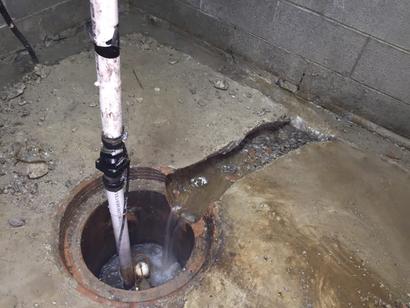
Sump pump systems rely on water to lubricate seals, bearings, and internal moving parts. During a drought, the lack of moisture allows these components to dry out, stiffen, and crack. Rubber seals and gaskets become brittle, increasing the risk of leaks and mechanical failure. Once damaged, these parts can affect the operation of the pump.
Sediment and Debris Buildup
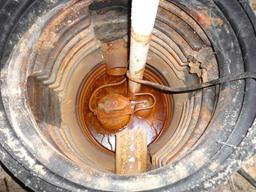
When groundwater levels drop, sediment and debris often settle at the bottom of the sump pit. Dust, fine soil particles, and mineral deposits accumulate without regular water flow to flush them away. This buildup can clog the pump intake, jam mechanical components, and reduce pumping capacity.
Float Switch Malfunctions
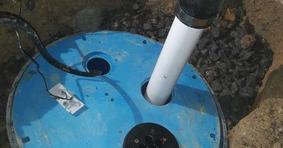
The float switch tells your sump pump when to turn on and off. During drought, the float may remain in the same position for weeks or months. Without movement, residue, corrosion, or debris buildup can cause the float switch to stick. If the float switch fails to activate, your pump will not turn on when it actually needs to.
Electrical and Mechanical Stress
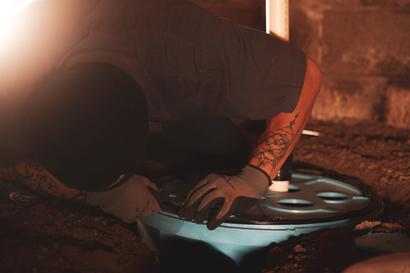
Extended inactivity can also affect your pump’s motor and electrical components. Moisture helps regulate temperature and reduce friction. Without it, your motors may experience increased friction and wear and tear, or overheating during startup. When a dormant sump pump suddenly has to run again, the added stress can quickly lead to burnout or failure.
How Drought Impacts Soil and Your Foundation
Even if your sump pump is unaffected, drought can still increase the risk of basement water intrusion. As the soil around your foundation dries out, it starts to shrink, creating a void between your home and the ground. When the rain returns, precipitation can quickly fill in that void and put hydrostatic pressure on the foundation walls. That makes it critical to make sure your sump pump is prepared to operate smoothly after drought.
Warning Signs Your Sump Pump Has Been Affected by Drought
Even if your sump pump hasn’t been running, there are several warning signs that drought may have damaged the system:
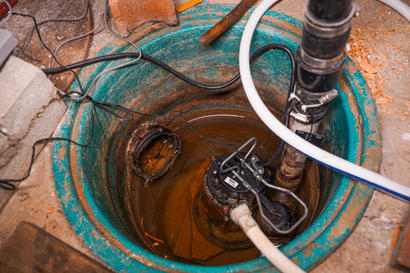
- Pump fails to turn on during testing
- Unusual noises when the pump activates
- Slower pumping performance
- Visible cracks in discharge piping
- Strong odors from stagnant water or sediment
- Excessive vibration
If you notice any of these issues, it’s important to schedule a professional inspection before the next heavy rainfall.
How to Protect Your Sump Pump During Drought
Test Your Pump Regularly
Pour a bucket of water into the sump pit every few months to ensure the pump activates properly. This simple test keeps components moving and helps identify issues early.
Clean the Sump Pit
Remove sediment, dirt, and debris from the pit to prevent clogging. Regular cleaning reduces strain on the pump and ensures efficient water flow.
Schedule Professional Maintenance
Annual sump pump inspections are one of the best ways to protect your system. A trained technician can:
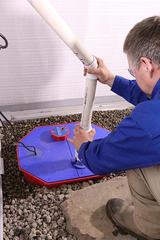
- Test float switch operation
- Clean pump components
- Flush drain lines
- Identify early signs of wear
- Confirm proper discharge routing
Preventive maintenance significantly is the surest way to extend the life of your sump pump and minimize emergency breakdowns.
Why Sump Pump Maintenance Matters More Than Ever
With climate patterns becoming increasingly unpredictable, many regions now experience longer droughts followed by intense rainfall. This extreme cycle puts enormous stress on waterproofing systems. A sump pump that has been neglected during drought may fail under sudden pressure, leading to basement flooding, water damage, mold growth, and costly repairs. Proactive maintenance ensures your system is ready when weather conditions shift rapidly.
Protect Your Home Year-Round with Service & Maintenance from Groundworks

Your sump pump is a central component to protecting your home. Even during dry weather, it requires attention and care. Understanding how drought damages your sump pump empowers you to take proactive steps that prevent failures and safeguard your home.
With a comprehensive Service & Maintenance plan from Groundworks, you can take comfort in knowing your home’s waterproofing is in good hands. Our service technicians have the knowledge and tools to ensure reliable operation long after installation. A little maintenance today can save you thousands in repairs tomorrow and ensure peace of mind when the next storm hits.
Sump Pump Maintenance FAQs
Regular inspections are key to a properly functioning and long-lasting sump pump system. When Groundworks installs your basement sump pump, you can enroll in our annual maintenance program to ensure your system continues to protect your home.
If your pump fails, immediate action is required. If it was installed by a waterproofing specialist, be sure to reach out to schedule an appointment. Meanwhile, troubleshoot by ensuring the pump is plugged in, the float switch is not stuck, and the discharge pipe is flowing smoothly.
Press the test button on the control panel or simulate a power outage by unplugging the pump. The backup should activate immediately. If not, call a professional immediately.
Related Resources