

 AI-Powered
 Why School Repairs Keep Coming Back—and What to Address This Summer
When summer hits, most school campuses finally get a break—but for facilities teams, it’s the opposite. This is the window. The only real chance to fix problems without working around students, staff, and daily operations.
And yet, every year, many of the same issues return.
The sidewalk that settled last summer dips again. The same section of parking lot needs another patch. A door that was adjusted in June is sticking again by October.
It’s frustrating—but it’s also predictable.
Because in many cases, the repairs being made are addressing what’s visible, not what’s causing the issue in the first place.
Why Some Repairs Keep Coming Back
Every campus has that spot. The one that never quite holds.
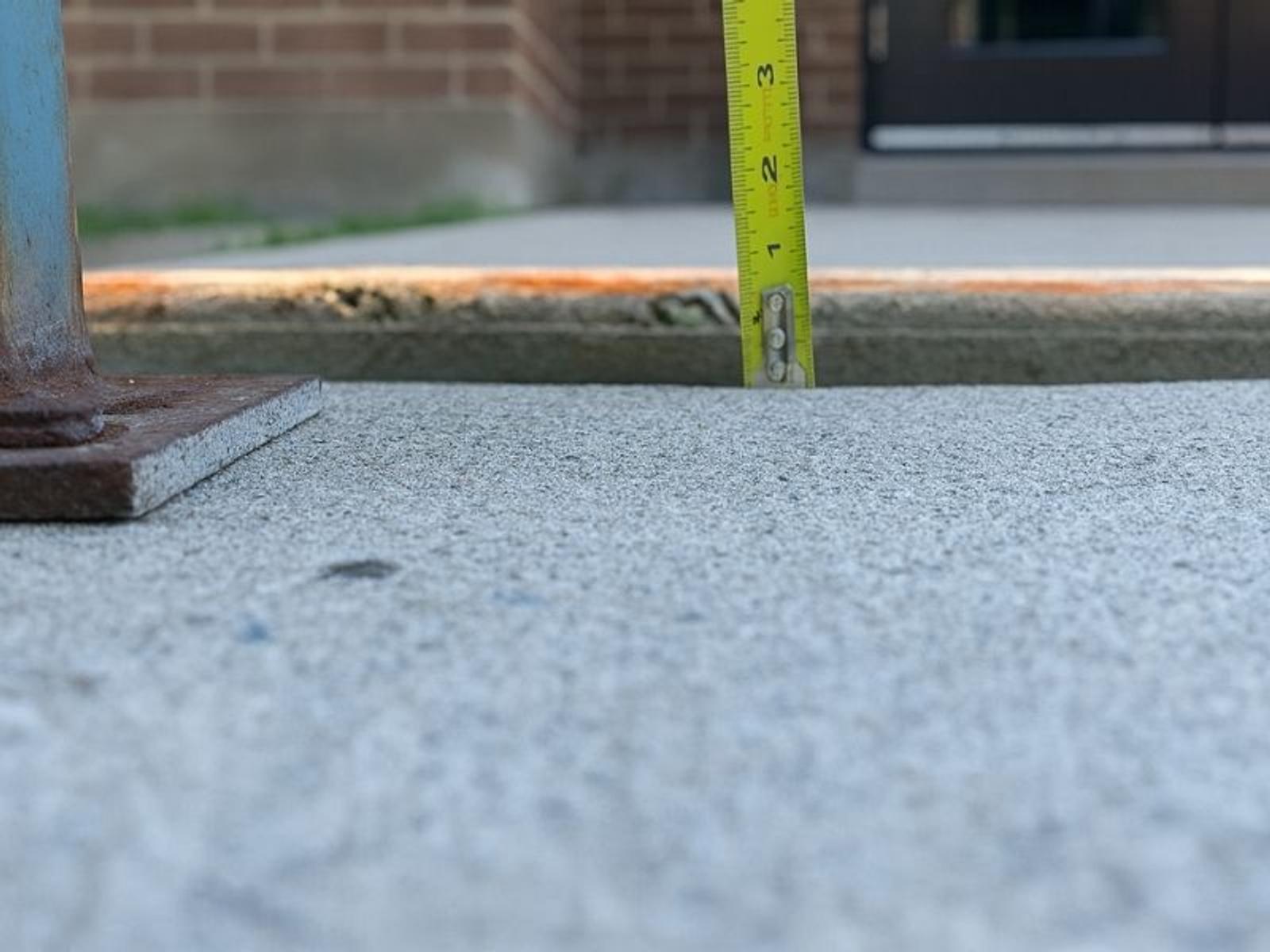
It might be a walkway that keeps settling or a section of pavement that’s been patched more than once. On the surface, these feel like maintenance issues.
But they’re usually not.
More often than not, the problem is happening below—where soils shift, water moves, and support slowly disappears. Small voids form. Soil consolidates. And over time, what looked like a minor issue becomes something that affects safety, accessibility, and performance.
Summer is the best opportunity to step in and stop that cycle.
What a More Effective Walkthrough Actually Looks Like
A typical walkthrough focuses on what’s damaged. A better one focuses on why it’s happening.
Uneven walkways and trip hazards are easy to spot, especially in high-traffic areas. But those conditions are often tied to what’s happening underneath—loss of support, erosion, or water infiltration below the slab.
Parking lots and drive lanes tell a similar story. If you’re seeing low areas, standing water, or recurring cracking, it’s usually not just wear and tear. It’s the subgrade beginning to lose consistency.
Inside the building, the signs are quieter—but just as important. A door that sticks. A hairline crack that wasn’t there before. Floors that feel slightly off.
In some cases, these are the first signs that movement is progressing beyond the surface and into the structure itself.
And then there’s what you don’t see at all—what’s happening below grade.
When It’s Not Just the Surface Anymore
At a certain point, some issues stop being routine repairs.
What started as a settled slab or minor surface issue begins to show up elsewhere—inside the building, along walls, or in structural elements.
That’s when the conversation shifts.
Because now, it’s not just about the surface. It’s about how the structure itself is being supported.
Foundation movement doesn’t always happen dramatically. It often shows up gradually—small changes that become more noticeable over time.
Cracks in walls or structural components don’t always indicate failure—but they do tell you something has changed. Targeted reinforcement systems, like carbon fiber, can be used to stabilize and strengthen those areas without requiring major reconstruction.
Thinking in Systems, Not Isolated Repairs
One of the biggest shifts facilities teams can make is moving away from treating each issue on its own.
Concrete, foundations, drainage—they’re often handled as separate scopes. But in reality, they’re connected.
A walkway settles because the soil beneath it changed.
The soil changed because water moved through it.
The water moved because something underground allowed it to.
Making the Most of the Summer Window
Summer doesn’t give you unlimited time—but it gives you enough to make meaningful improvements if you focus in the right areas.
The priority isn’t to fix everything. It’s to focus on what’s repeating, getting worse, or impacting safety and operations.
It’s also about choosing solutions that make sense for an active campus—work that can be done efficiently without unnecessary disruption.
Using Summer as More Than a Reset
It’s easy to think of summer as a reset—fix what’s broken and move on.
But it can be more than that.
Handled the right way, this window can reduce recurring issues, improve long-term performance, and make future maintenance more predictable.
Not by doing more work—but by doing the right work.
Planning Ahead—Without Having All the Answers Yet
Most summer plans don’t start fully defined. They start with a list of concerns, a limited budget, and the need to make smart decisions quickly.
That’s where Groundworks can help.
Groundworks works alongside facility managers, engineers, and administrators to evaluate conditions, prioritize what matters most, and align solutions with available timelines and budgets.
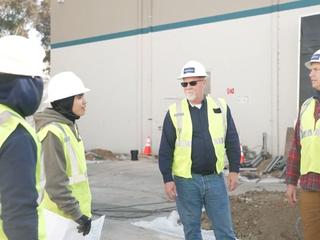
Sometimes that starts with a site walk—looking at both visible issues and what may be contributing beneath the surface.
From there, it’s about building a practical path forward—whether addressing a single issue or phasing improvements across a campus.
Every facility is different. The goal isn’t a one-size-fits-all solution, but informed decision-making with confidence.