AI-Powered
The Ultimate Guide to Foundation Repair in Florida

Worried about foundation cracks or uneven floors? You’re not alone. Florida homeowners often face foundation problems due to soil movement, moisture, and other environmental factors. This guide will walk you through everything you need to know about foundation repair, how to spot issues, and the best repair solutions available.
What is Foundation Damage & Why It Matters
Your home’s foundation supports everything above it. Over time, factors like soil movement, water pressure, and improper construction can cause cracks, sinking, or instability. Ignoring these issues can lead to costly house foundation repair and structural risks.
Why This Matters to Homeowners:
- Prevents major structural damage
- Stops water intrusion and mold growth
- Maintains property value and safety
Signs & Symptoms of Foundation Problems
You might need foundation crack repair if you notice:
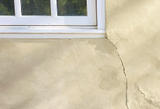
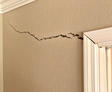
- Cracks in walls, ceilings, or floors
- Doors and windows sticking or misaligned
- Uneven or sagging floors
- Water pooling around the foundation
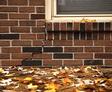
- Cracks in exterior bricks
Minor vs. Major Issues
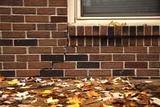
- Hairline Cracks – These are a minor concern and usually don’t indicate structural problems. Just monitor them for changes.
- Horizontal Cracks – A serious problem that could mean excessive pressure from shifting soil or foundation failure. Professional evaluation is needed.
- Uneven Floors – A serious problem that may signal foundation settlement or structural issues. Get an inspection to determine the cause.
- Slightly Sticking Doors – A minor concern that could be due to humidity or minor settling. Keep an eye on it, but it’s usually not a major issue.
- Major Wall Separation – A serious problem that indicates foundation movement or structural damage. Immediate professional attention is required.
Not sure? Get a Free Inspection – A professional evaluation can determine if foundation house repair is needed.
Causes of Foundation Issues
Foundation problems in Florida are often caused by:
- Expansive or Shrinking Soil: Certain soils expand when wet and shrink when dry, causing foundation movement.
- Hydrostatic Pressure: Water buildup around the foundation pushes against walls, creating cracks.
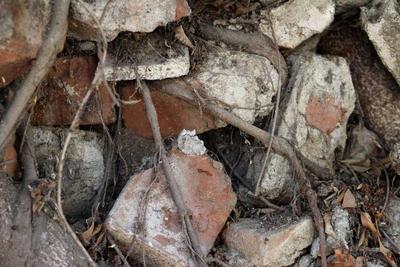
- Tree Roots: Roots can grow beneath the foundation, pushing on it and causing movement.
- Poor Construction: Weak materials or lack of soil testing can result in premature repair house foundation needs.
Prevention & DIY Inspection Tips
Preventative Steps for Homeowners
- Keep gutters and downspouts clear to direct water away from the foundation.
- Ensure the yard slopes away from your home.
- Avoid planting large trees near your foundation.
- Conduct regular home inspections for early warning signs.
DIY Homeowner Inspection Checklist
- Check for new cracks inside and outside the home.
- Test doors and windows for sticking.
- Look for signs of moisture in the basement or crawl space.
- Monitor floors for uneven areas.
When to Call a Professional: If you notice large cracks, water damage, or sagging floors, an expert inspection is needed to determine the best foundation repair options.
Foundation Repair Solutions
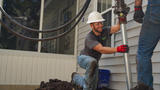
- Push Piers – Ideal for a sinking foundation, these provide long-term stability and can last 50+ years.
- Helical Piers – Best for lightweight structures, offering durable support for 50+ years.
- Slab Piers – Designed to lift and stabilize cracking or sinking slabs, with a lifespan of 50+ years.
- Crawl Space Jacks – Used to reinforce sagging floors, these provide support for 25+ years.
If you need house foundation repair, consulting a specialist can help determine the best solution for your home. Learn more about foundation settlement here.
Foundation Repair FAQs
While you might think you’ll save on labor costs by doing repairs yourself, the potential for incorrect repairs can lead to higher costs in the long run. Professional repairs ensure the problem is correctly addressed the first time, saving you money and increasing your home’s value in the long run.
Preventing future foundation problems involves regular maintenance, such as ensuring proper drainage around your home, controlling moisture levels, and checking for early signs of damage. Addressing small issues sooner rather than later can help prevent larger foundation problems later.
Without professional training, it can be difficult to estimate accurately and complete the job effectively. In general, the time it takes to repair a foundation can vary widely based on the extent of the damage and skill level. Minor repairs might take a few hours, while more significant issues could require several days of work.
Schedule a Free Inspection

Most foundation repair problems can be fixed if caught early. Contact Groundworks today for a free, no-obligation inspection and expert recommendations. Still have questions? Call our team or schedule a free inspection online now.
Related Resources