

 AI-Powered
Don’t Let Your Elevator Go Down
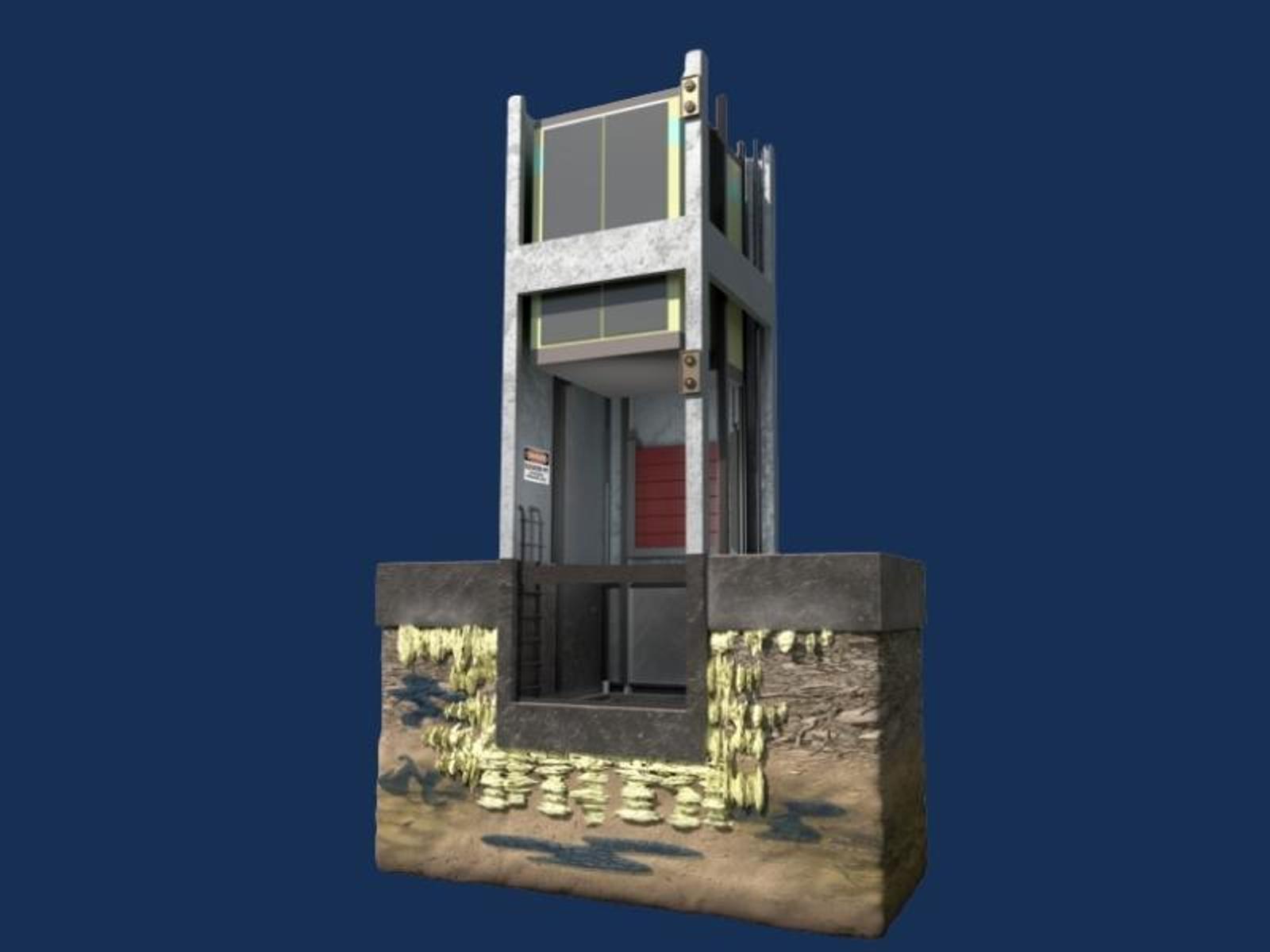
Elevators are a common feature in many commercial facilities. For employees and visitors, using one may be as simple as stepping inside, pressing a button, and arriving at the next floor. For building owners and facility managers, however, elevators are complex systems that require regular maintenance and protection from conditions that can interfere with their operation.
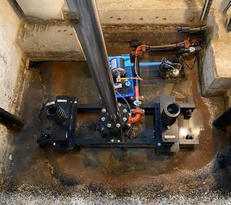
One issue that can develop beneath the elevator is water intrusion. When moisture enters an elevator pit, standing water can contribute to musty odors, mold and mildew growth, and deterioration within the space. These conditions can create an unpleasant environment and may also interfere with elevator components or ongoing maintenance.
In this article, we’ll look at what can cause water to enter an elevator pit, the problems that moisture can create, and how Groundworks can help address the issue with elevator pit sealing.
Moisture Intrusion & How it Impacts Elevator Pits
The base of the elevator pit is often partially below ground. Because of this, elevators are sometimes exposed to things like high groundwater levels and soil movement. Look out for the following signs of moisture intrusion which can negatively impact your elevator and the pit it operates within.
- Cracks in Pit Walls: Cracks in elevator pit walls can allow in moisture or groundwater, thus creating humidity or standing water within the pit.
- Mold or Mildew Odor: Trapped moisture in an elevator pit can create musty or unpleasant odors, especially when mold or mildew begins to develop. Employees, building occupants, or elevator maintenance professionals may notice these odors before the source of the moisture is visible.
- Rust or Corrosion on Equipment: Rust or corrosion on equipment may indicate that moisture has made its way into the elevator pit.
- Standing Water or Visible Moisture: Sometimes the signs of moisture intrusion are obvious. There may be water that will not drain or condensation on the floors or walls of the pit.
Elevator Pit Solutions from Groundworks
When water intrusion affects an elevator pit, Groundworks can use a combination of repair methods to address the pathways allowing moisture into the space. The appropriate solution depends on the source and severity of the intrusion, but the goal is to help control groundwater, seal vulnerable areas, and reduce the likelihood of recurring moisture problems.
- Polyurethane Injection: Polyurethane can be injected through or around the elevator pit to seal cracks, fill voids, and create a grout curtain that helps limit groundwater migration. As the material reacts and expands, it can reach irregular pathways in the surrounding soil and concrete where water may be entering.
- Interior Crack and Joint Sealing: Cracks, joints, and other vulnerable areas within the pit may also be sealed from the interior. Addressing these openings can help reduce water entry and create a drier environment for elevator components and maintenance personnel.
- Drainage Solutions: In locations where groundwater or recurring moisture remains a concern, drainage may be incorporated to help collect and redirect water away from the elevator pit. This added layer of protection can help reduce standing water and ongoing moisture accumulation.
Using these methods individually or together allows Groundworks to develop an elevator pit sealing approach based on the conditions affecting the facility.
Why Groundworks?
At Groundworks, we provide reliable, long-term solutions for commercial, industrial, and government facilities. If your facility is faced with issues within your elevator pit, such as water intrusion, cracks, or rusted equipment, contact Groundworks today.