AI-Powered
 What Interior Basement Drains Do for Your Foundation
One of the benefits of living in Colorado is the semi-arid environment. Moisture issues like flooding or humidity are rarely an issue for residents of the state.
Of course, that doesn’t mean Colorado is completely water-free. When spring rolls around, rain and snowmelt are more common occurrences. But because of the dry environment, many homes aren’t prepared for the sudden influx of water.
Even though it might sound surprising, installing an interior drain is an effective way to provide water protection for your home just in case. Let’s explore this solution further and see why it helps your foundation.
What is an Interior Drain?
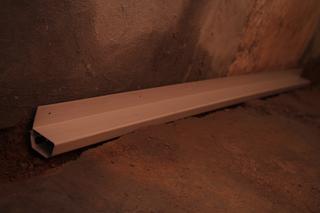
An interior drain is a plumbing fixture located in the floor of a basement or crawl space. It is designed to collect and remove excess water from the foundation. You can see an example of one below.
In turn, interior drains help prevent water damage and potential health hazards such as mold growth. Depending on the design of the drain, it can be connected to a sump pump or sewer line.
Additionally, certain interior drains may be covered or grated to prevent debris such as mud, rocks, or pests from getting into the drain and causing blockages.
We touched on some of the benefits above, but let’s explore these further in the next section.
Benefits of an Interior Drain
Reduced Risk of Water Intrusion
Even though Colorado is known for its dry climate, rain and snow eventually come. If your home is unprepared, water may collect near your foundation and seep into the soil below.
This is an issue because of the bentonite soil found across Colorado. When it absorbs water, this extremely expansive clay soil swells up and pushes against foundation walls. This causes issues like bowing walls, foundation settlement, or basement floor cracks.
If left untreated, these foundation issues may allow water to leak inside your basement or crawl space. This leads to water issues like leaks and wood rot.
With an interior drain installed, any water that leaks into your foundation is captured and moved away from the structure before it has a chance to cause damage.
Protection Against Mold
When your foundation is damaged, any water that gets into your foundation will create the perfect environment for mold to grow and spread. This is where an interior drain comes in handy.
Mold needs two major resources to survive – water and organic material. Because foundation drainage captures and removes water, it takes away one of the necessary components needed for mold growth.
Keep in mind, while interior crawl space and basement drains remove liquid water from the foundation, they work best with other solutions like a dehumidifier to ensure your foundation stays completely dry.
Efficient Foundation Drainage
Interior drains are superior to external drains when it comes to foundation drainage. First, basement drains and crawl space drains are more resistant to clogging.
Due to their location, interior drains are less exposed to outdoor hazards like mud, pests, and rocks. Exterior drains tend to become clogged by all of these, especially after heavy rain or snow ironically.
Second, interior foundation drains are easier and less expensive to install. Putting an exterior drain in place involves excavating your yard and potentially moving certain outdoor structures out of the way.
All this extra labor costs more and ends up being a bit of a mess. Interior drains are faster to install and usually don’t require crews to deal with your yard at all, making them the more efficient and cost-effective option overall.
Potential Issues Without an Interior Drain
Without an interior drain, your home is at risk for all types of damage and negative problem signs. You can see how these affect your home in the corresponding images below. Potential risks include:
- Mold throughout the home
- Structural damage
- High indoor humidity
- Flooding and water damage
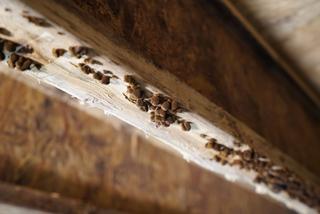
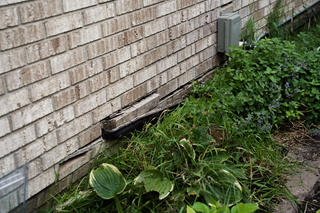
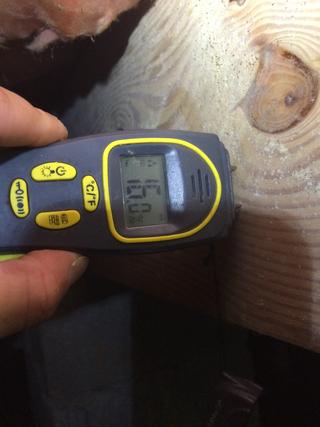
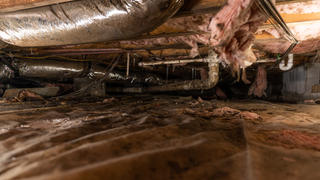
At Groundworks, we see these issues constantly arise in homes with a basement or crawl space, especially after it rains or snows. Since Colorado tends to be dry, many homes and their foundations aren’t prepared for when precipitation does fall.
Interior drains are a way to keep your home defended just in case. Having one could save you money on repairs in the long run, especially if a large amount of rain comes after a drought.
Where Should Interior Foundation Drainage be Installed?
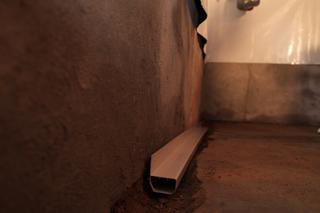
When it comes to installing a drain inside your basement or crawl space, the best practice is to place it along the foundation’s perimeter. This is generally where the wall meets the floor, also known as a cove.
Laying interior drainage along the perimeter ensures the quick capture of water that leaks inside through wall cracks. Any liquid that makes it through the walls will travel toward the cove first.
Furthermore, placing the interior drain along the perimeter allows the drain to be at one of the lowest points of the foundation, if not the lowest point entirely. That way, if any flooding does occur, the water travels straight to the drain.
Call Groundworks for a Free Estimate!
Basement Drains FAQs
While you could install an interior drain on your own, DIY solutions and store-bought drains generally don’t work as well or last very long.
Installing an interior drain with help from a professional team ensures you’re using the best materials for effective and long-lasting water mitigation.
When working with a professional team like Groundworks, installing an interior drain usually takes about two days on average.
Performing maintenance once a year is a good idea to ensure the drainage system stays working properly. Additionally, performing periodic tests can help identify potential issues, if any.
Service Areas
Groundworks serves local communities in 33 states, including Colorado where bentonite clay tends to cause a lot of foundation damage. In Colorado, look for Groundworks in the following areas:
- Denver
- Boulder
- Fort Collins
- Littleton
- Colorado Springs
Don’t See Your Area? Check Here.