AI-Powered
 How to Clean a Flooded Basement: A Complete Guide for Homeowners
The shock, dismay, and sudden wave of panic upon discovering basement flooding is a homeowner’s worst nightmare.
Dealing with a basement flood and the aftermath is stressful. We understand that, and that’s why we’ve put together this easy-to-follow flooded basement cleanup guide. We’re Groundworks—the top team in North America providing reliable basement waterproofing services.
Just follow our simple 7-step plan, and you’ll be able to dry out wet basements and turn your soaked home into a safe, dry space again.
What Causes Basement Flooding?
It’s normal to wonder why this happened in the first place. Water can leak inside and lead to a flooded basement for many reasons, including:
Determining the source of flooding is essential to prevent future occurrences and damage. Consider working with professionals like Groundworks to uncover the cause and implement repair and prevention strategies.
How to Clean Basement After Flood: 7 Essential Steps
1. Prioritize Safety
First and foremost, you must ensure safety. Your first instinct may be to rush in to begin flooded basement water removal to minimize damage, but there are steps you need to take beforehand to ensure your safety:
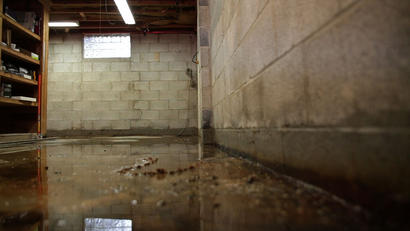
- Switch off the electricity to avoid the chance of electric shocks. If the water has reached above the power outlets, it’s safer to call an electrician before going in.
- Wear protective gear, such as rubber gloves and boots, when entering the flooded area.
- Contact flood repair professionals if you can’t safely access the power switch or the water damage is severe.
2. Assess the Damage
Once you’re certain it’s safe to move around in your basement, it’s time to assess the extent of the damage. Knowing how much damage there is will help you decide what to do next:
- Inspect your basement thoroughly, paying attention to any apparent damage.
- Document the damage for insurance purposes. Taking photos or videos can be useful.
- If it’s not altogether clear, try to identify the causes of basement flooding. Remember to check for basement wall leaks.
- Assess the type of water in your basement (clean, gray, or black), as this affects the floodwater cleanup process.
3. Remove Water
Removing standing water from your basement is a critical step toward reclaiming your space:
- If available, use a wet vacuum or pool pump for efficient flooded basement water removal.
- If these tools aren’t available, a bucket and mop can still be effective, although it may be slower.
- For severe flooding, consider renting a sump pump to expedite the water removal process.
- Don’t forget to check hidden areas where water can accumulate, like behind appliances and under the stairs.
4. Dry Out Wet Basements
It only takes 24 to 48 hours after water exposure for mold to grow. After removing the water, you must thoroughly dry your basement to prevent mold growth and further damage. Depending on the amount of moisture, the best way to soak up water in basement areas that flooded, includes:
- Tools like fans, heaters, or dehumidifiers can speed up the drying process.
- Opening windows and doors to improve ventilation can aid in drying out wet basements faster.
- Consider using a moisture meter to check the moisture level in your walls and floors, ensuring that the drying process is complete.
- Once a lot of the water is out, a bunch of towels should be enough to sop up the remaining puddles.
5. Clean and Disinfect
It’s now time to clean and disinfect the basement to kill any bacteria and prevent mold growth:
- Use a cleaning solution that contains bleach or a similar disinfectant for effective cleaning.
- Clean all surfaces thoroughly, including walls, floors, and any soaked items.
- Avoid mixing bleach with other cleaners to prevent dangerous chemical reactions.
- For extensive cleaning, consider hiring a professional cleaning service.
During your flooded basement cleanup efforts, keep a close eye out for mold growth. Telltale signs include musty odors and discoloration. If there’s any question, don’t risk exposing yourself to mold or harsh chemicals; contact a mold remediation specialist instead.
6. Clear Out Damaged Items and Restore
With your basement clean and disinfected, it’s time to deal with damaged items:
- Remove all water-damaged items, including furniture, carpets, and personal belongings.
- Decide what can be salvaged and what needs to be discarded. Consider professional restoration services for valuable items.
- Make a list of all damaged items for insurance claims.
7. Update Drainage and Basement Waterproofing Solutions to Prevent Future Flooding
The final step is to take food damage prevention measures:

- Consider professional basement waterproofing services (like Groundworks!) to update your basement drainage system.
- Regularly inspect your basement for water or damage to prevent basement leaks.
- Install a sump pump with a water alarm and backup battery if you live in a flood-prone area.
- Maintain proper exterior drainage, including gutters, downspouts, and landscape grading.
Want a handy checklist for your cleanup?
»Download a printable checklist!
When to Consider Professional Flooded Basement Water Removal
As you can see, while basement flood clean up by yourself can provide immediate relief, it takes a lot of effort. Protecting your safety, your family, and your home is crucial. For the most effective and lasting results, seeking professional flooded basement cleanup assistance for any level of water in your basement is advisable.
Professional remediation teams are fully equipped with the necessary tools and protective gear to tackle the issue efficiently. Additionally, if your furnace is housed in your basement and was exposed to water, this could lead to a significant fire hazard. It’s essential to seek guidance from your local fire department in such scenarios to ensure safety.
Prevent Basement Flooding Damage with Groundworks!

Nobody ever wants to face a flooded basement, but it’s essential to be prepared, especially if you live in cities with a higher risk of flooding. By following this 7-step guide, you can tackle basement cleanup after flood events easily and efficiently. Remember, when it comes to dealing with floodwater, safety should always be your priority. And once your basement is dry and clean again, flood damage prevention ensures you’re less likely to deal with a similar situation in the future.
At Groundworks, we have years of established experience and local trust, and provide on-time service with an extensive warranty on all our work. We understand that your home is your biggest investment, and we want to help you protect it from further damage. Contact us today for a free inspection, and we’ll give you North America’s best basement waterproofing solutions.
Flooded Basement FAQs
Basement flooding can be caused by many sources. Internal sources include burst plumbing pipes, leaky appliances, and faulty sump pumps. Heavy rain, poor foundation drainage, and foundation damage are also potential causes. To find the root of the problem, contact your local Groundworks company for a free inspection and basement waterproofing estimate.
Look at local maps and online services to see if you’re in a flood-prone area. Many communities also have local information to show you whether or not you’re in a flood-prone areas. If in doubt, call a city representative or a landscaping professional.
Many insurance policies do not cover flood damage, such as preventable instances part of regular home maintenance. However, there are certain circumstances where your damage may be covered. It’s best to check with your insurance agent to go over exactly what your policy covers.
Related Resources