AI-Powered
 What Hive Is It?: Identifying Bee and Wasp Nests
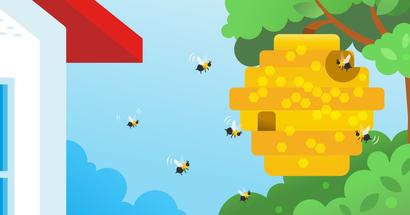
Did you know there are almost 20,000 different kinds of bees in the world and 4,000 of them are native to the U.S.? According to the U.S. Department of the Interior, bees play an essential role in our daily lives. From the smallest known bee (Perdita minima) to the biggest (the carpenter bee), bees of all shapes, sizes and colors pollinate more than 75% of our plants and help more than $15 billion in crops grow each year. One of the most common kinds of bees, however, is not native to North America. Honeybees were brought to America by early European settlers. While bees and wasps play an essential role in a healthy ecosystem, these stinging insects are best left alone and outdoors. When they come indoors, bees can cause real problems, both to our homes and the family members living there.


Bees and Wasps Belong Outside
If you see a honeybee, wasp, or other stinging insect outside, it’s best to let them be. Not only do bees cause painful stings and welts to humans and pets, but they also have an important role to play in keeping our gardens healthy and our crops growing strong. If you identify bees or wasps building homes near your own, however, it may be time to call a professional exterminator to remove the hive. Stinging insects and other pests can cause costly damage to our homes, including the home’s foundation.
For example, carpenter bees drill deep inside building materials, including a home’s exterior siding and joints. This damage can weaken the structure of the home and cause costly repairs when not identified and corrected quickly. Another pest that is attracted to bees are bears, as well as other predators looking for a tasty treat. If you have bee colonies close to your home, it’s best to understand the types of predators honey can attract so you aren’t caught unaware. Bears can cause extensive damage to the exterior of a home and even more if they get inside through an open window or door.
Finally, stinging insects can be hazardous to the health of humans who are allergic to them. Bee and wasp stings can cause major allergic reactions and even result in death. Although your family members may not be allergic to these pests, visitors may be. That’s why it’s best to keep bees and wasps where they belong – outside.
Where to Find Bee and Wasp Hives
To find and remove hives before damage or an emergency occurs, check these common locations around your home:
- Below ground, next to the home’s foundation – Yellow Jackets
- At ground level, near the foundation – Bumblebees
- Drilling into the structural supports of the building – Carpenter Bees
- Along the eaves of the house – Yellow Jackets
- Attached to the gutters – Paper Wasps
- Inside the home’s attic – Paper Wasps
- Inside exterior walls of the house – Honeybees and Yellow Jackets
Matching Hives with Their Resident Pests
Once you discover a hive on your property, here’s how to identify what pest is living inside:
- Honeybee Hive – Hexagon-shaped clusters of honeycombs
- Yellow Jacket Hive – Build nests underground, hanging, and inside walls
- Paper Wasp Hive – Visible, open structure found along tree branches, porch ceilings, gutters, or inside attics
- Carpenter Bee Nest – Bore holes into the home’s wood to nest, causing damage
- Bumblebee Nest – Coral-like nests look like a group of spheres, build at ground level or underground
Honeybees are small and fuzzy with a well-known striped body. They are generally not aggressive when found away from their home, but they will sting and attack together to protect the hive. Yellow jackets have smooth, elongated bodies and come in brightly colored stripes. They are more aggressive than honeybees and can sting more than once (a honeybee is capable of just one sting).
Paper wasps have long, slim bodies and are black or mahogany colored with large wings. Carpenter bees are larger in size with a shiny black abdomen. The males can’t sting and the females seldom do. Bumblebees are round like a carpenter bee, but fluffier. They are not usually aggressive but can sting more than once if provoked.
When to Call In A Pest Control Specialist
If you identify a hive or nest of stinging insects, it’s best to leave removal to a pest control specialist. Bees can be beneficial for the ecosystem but may pose a risk if they establish a hive close to your living spaces. A professional pest controller can safely remove or relocate the hive, ensuring both the safety of your family and the well-being of the bees, without causing harm to these important pollinators.
Contact the Foundation Specialists at Groundworks
Carpenter bees pose a significant threat to the structural integrity of your home. Unlike other bee species, carpenter bees bore into wood to create their nests, which can lead to noticeable damage over time. These holes not only mar the appearance of wood surfaces but can also weaken structural elements if left unchecked.
After a pest control company has effectively handled the bee infestation, it’s crucial to call in foundation specialists, such as those from Groundworks, to assess any resulting damage. Their expertise is vital in evaluating the extent of the structural impact and determining the necessary repairs.
Groundworks’ specialists can conduct a thorough inspection of the affected areas, providing professional advice and solutions to ensure your home’s safety and integrity are restored.
This two-step approach of pest eradication followed by structural assessment and repair is essential in safeguarding your home against the hidden dangers of carpenter bee infestations.
A professional contractor can help you seal cracks and repair the home’s foundation if affected by these pests. For structural repair assistance, contact your local foundation repair experts for a free inspection and estimate.