AI-Powered
 Why Your Basement Has a Musty Smell (and How to Fix It)

We’ve all smelled it, that nasty, musty odor wafting up from the basement. Many people think it simply comes with the territory of owning a house with a basement. But the truth is that untamed moisture is behind the unpleasantness and other issues.
If you’re not quite sure how to begin or what signs to look for, that’s okay. This article explains the origins of basement smells, signs to watch for, and how to fix the problem with professional basement waterproofing solutions.
What Causes Basement Smells?
Damp, musty, funky odors in your basement can be traced to various sources. Take a look at some of the most common:
Common Causes of Basement Smells & Moisture
Moisture can become trapped in your basement in a number of ways, and sometimes it can be hard to determine the exact cause. Dampness that’s ignored for too long can turn into more serious problems over time, which is why you should monitor the space regularly.
One of the first things you will most likely notice if there’s moisture in your basement is a musty, unpleasant odor. From this point, if you notice any signs of obvious moisture, it’s time to get it taken care of immediately. Some of the more common, less intense causes of moisture may include:
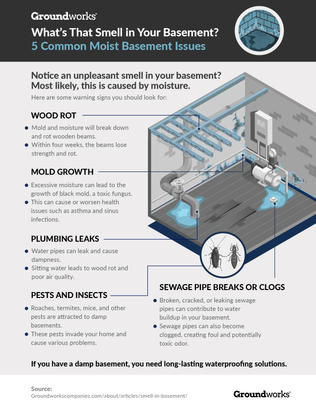
- Plumbing Leaks: Pipes tend to leak if they are cracked or faulty, which may cause water to accumulate in your basement.
- Sewage Pipe Clogs or Breaks: Like any other pipes, sewage pipes can get cracked, broken, or clogged, causing moisture buildup as well as foul and potentially toxic fumes.
- Basement Concrete Cracks: It’s common for wall cracks or floor cracks to form due to foundation settlement. However, these should be sealed and protected immediately to avoid more moisture from coming in and bigger problems in the future.
- Moisture from the Air: Hot and humid air can make its way into your basement through various cracks and openings, which should be sealed to prevent seepage and ensure quality air circulation.
- Moisture from the Weather: More harsh weather, such as rain or floods, can cause water to seep in through windows or cracks in the walls, creating standing water or dampness to accumulate rapidly.
More Serious Basement Moisture Damage Signs
Ignoring the less intense moisture issues can create even bigger problems. These issues are harder to get rid of and require more attention than some of the more common causes. With the moisture warning signs going unnoticed, some of the more serious basement issues you can expect include:
- 1. Mold Growth: Moisture can lead to the growth of black mold, a toxic fungus that can cause or worsen health issues like asthma or sinus infections.
- 2. Wood Rot: Mold and moisture can break down and rot your first floor’s wooden support beams from your basement ceiling within a matter of weeks.
- 3. Pests and Insect Damage: Pests like roaches and termites are drawn to moisture, making your basement susceptible to infestations and damage.
- 4. High Energy Bills: A damp basement makes it difficult to control your home’s temperature, causing your air conditioner or heater to run more often, thus creating higher energy bills.
- 5. Poor Air Quality and Health Issues: Air quality starts in the basement as air rises throughout the home, so it’s important to control moisture to avoid health hazards.
Nobody wants to deal with the effects of waiting too long to act on moisture. If moisture issues in your basement go unnoticed for too long, you risk costly structural damage and overall home health issues.
Serious issues such as mold growth and pest infestation are completely avoidable if a long-lasting waterproofing solution is installed by a local basement waterproofing professional when you notice warning signs.
How Do I Fix Bad Basement Smells?
If you notice a musty or moldy basement smell, it’s time to address dampness before serious damage results. Follow these eight tips to get rid of musty smells in basement areas, as well as tackle their causes.
Tip #1: Stop Groundwater
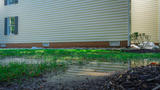
Above-average rainfall and expansive clay soil mean basements are often exposed to wet conditions. Eliminating groundwater helps to stop musty odors in their tracks.
Work outside to maintain gutters and downspouts and improve grading so water flows away rather than towards your foundation.
An interior drainage system and a sump pump are often required to ensure groundwater stays out. They also are proactive approaches for how to get rid of mildew smell.
Tip #2: Seal Your Sump Pump
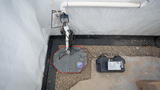
DIY or contractor-grade sump pumps often look like a hole in the ground with a pump inside.
While the pump may get the job done, the open pit is often full of stagnant, musty, smelly, standing water.
Installing a professional sump pump with a sealed lid, like this one, eliminates musty odors coming from your pump. An airtight lid also prevents moisture evaporation and overflowing or flooding.
Tip #3: Address Mold and Mildew Growth
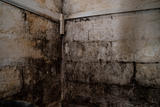
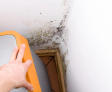
Mold and mildew are the most common reasons for a musty smell in basement areas.
Depending on the amount of mold, you can use chemicals like vinegar or bleach to clean it. Or you can take the safe route and hire mold remediation professionals.
The EPA recommends hiring a mold remediation company if the area is bigger than 10 square feet, or roughly a 3 ft. by 3 ft. section.
Tip #4: Install a Dehumidifier

Your basement is below grade, making it inherently cooler. While this may seem like a good thing during summer months, when the cool air meets the warm air from upstairs, condensation happens. Look for water droplets on cold surfaces like pipes and exterior walls.
Installing a self-draining basement dehumidifier, like this one, that also purifies the air, is key. Look for specs measured in cubic feet, instead of square feet, since your basement seeps moisture from both the walls and the floor.
Tip #5: Fix Plumbing Leaks and Condensation
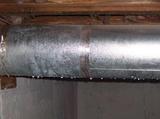
Most of your home’s plumbing lines and ductwork can be found in the basement. While this is convenient, it also means a leak can go undiscovered for days or even weeks since your basement isn’t a high-traffic area.
If you notice a musty smell in basement areas, consider having a plumber inspect your pipes and look for condensation. Condensation is attributed to high humidity and easily causes mold.
Tip #6: Let in Natural Light

While basements are typically underground, a few well-placed windows are located near the top of the wall. It’s important to ensure basement windows are watertight, and clearing items away to allow for natural sunlight actually combats a musty smell in basement areas.
It may sound like an old wives’ tale, but researchers have learned daylight actually kills smelly germs and bacteria.
Tip #7: Increase Air Circulation

A musty smell in basement areas signals the need for better air circulation.
Add ceiling or box fans, open doors and windows where you can, and use your home’s furnace to help move air and capture mold spores in its filters.
Just be sure to change furnace filters based on the manufacturer’s recommendations.
Tip #8: Clean Pet Dander

Dogs may be a man’s best friend, but their fur and dander are often a cause of musty odors in your home.
Be sure to keep up on vacuuming to trap fur before it starts to smell. And don’t forget Fido’s pet bed. A good washing on hot should help eliminate odor-causing bacteria.
Tackle Smells and Moisture the Groundworks Way
It’s not enough to set out a pretty air freshener and hope for the best. The only way to tackle musty basement odors and their sources is with trusted professional basement waterproofing solutions tailored to your home’s needs.
Don’t wait to contact your local Groundworks experts to schedule a free inspection and put a long-lasting stop to these potentially damaging moisture issues.
Basement Waterproofing FAQs
Not every wet spot in your basement is due to a leak. It could be condensation or a spill. However, if the wet spot reappears after cleaning, particularly after a rainstorm or snowmelt, it could be a leak. Also, look for other signs like a musty smell, discoloration, or mold growth around the wet spot.
Unaddressed basement moisture can lead to mold growth, musty odors, and potential structural damage. A basement dehumidifier creates a dry and healthy environment, safeguarding your belongings and making your space more comfortable. Implementing one is crucial.
Waterproofing your basement once so you’ll never have to worry about it is definitely worth the investment. You can’t put a price on your peace of mind.
Related Resources