AI-Powered
 Is Clay Soil Weakening Your Home’s Foundation?
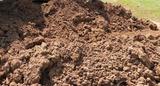
While expansive clay soil is common throughout the U.S, it can be detrimental to a home’s foundation and landscaping. As a homeowner, it’s important to know how to look for signs that you live in an area with expansive clay soil and what you can do to avoid damage.
As foundation repair professionals, Groundworks has the expertise to help you identify signs of expansive clay soil and address the damage to your foundation.
What are Expansive Clay Soils?
Expansive clay soils are types of soils that expand when exposed to significant moisture. Clay minerals in the soil can absorb water and expand, causing the soil to swell. On the other hand, when the soil dries out, it contracts and shrinks.
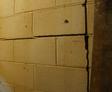
Soils rich in silt or clay have the greatest swelling potential and therefore the greatest potential for foundation damage. They can cause foundation settlement, heaving, and cracks, which are costly to repair.
On the other hand, when summer rolls around and the heat increases, the soil dries out and contracts. This plays out in a sort of slow, pulsating motion that wears away at your foundation throughout the year in different ways.
Why Does Clay Soil Expand?
Clay soil expands due to the unique characteristics of the minerals in the clay. Clay particles have a high surface area and a negative charge, allowing them to attract and hold water molecules. When water is absorbed, the clay particles swell, and the soil expands.
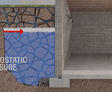
For example, during heavy rains, clay soil can expand more than 10% in volume. Wet clay soil can weigh more than 100 pounds per cubic foot, creating a damaging force known as hydrostatic pressure that pushes against foundation walls.
Signs of Expansive Clay Soil
If you are unsure whether you have expansive clay soil, here are a few telltale signs to look out for:
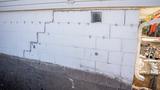
Should I Worry about Expansive Clay Soils?
Yes, it’s important to assess whether you live in an area with expansive clay soils. If not addressed, the soil’s expansion and contraction can cause significant damage to structures and landscapes over time, as you can see from the problem signs listed above.

How to Prevent Damage from Expansive Clay Soils
Being proactive in addressing expansive clay soils is essential to mitigate potential issues and ensure the stability of structures and landscapes.
Contact Groundworks to Save Your Foundation Today
Foundation problems related to clay soil and heavy rainfall don’t have to be overwhelming. By identifying warning signs early and acting proactively, you can avoid unnecessary stress and costly repairs.
At Groundworks, we understand how concerning these issues can be. After all, we’re homeowners, too. If you are concerned that your foundation may be compromised, contact us today to schedule a free inspection. With decades of experience and customized repair solutions, we’re here to help protect your home with confidence.
Clay Soil FAQs
Yes, areas with expansive clay soils, high water tables, or poor drainage systems are more prone to foundation settlement issues.
Yes, foundation issues can significantly decrease your home’s value and make it difficult to sell. Proper repair can restore value and ensure structural integrity.
While not all cracks require immediate concern, it’s vital to examine horizontal, diagonal, and stair-step cracks that are expanding in width, as well as gaps around windows and doors. Further exploration is recommended for cracks accompanying bowing walls and uneven floors. Regions with clay-based soil experience an increased risk of foundation issues.
Related Resources