AI-Powered
 Is A Sump Pit Necessary in Your Basement?
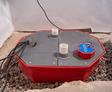
Sump pits play a critical role in keeping your basement dry because they collect water that will eventually be removed by the sump pump.
Unfortunately, many homeowners hesitate to install sump pump pits because of misconceptions surrounding them. This article debunks common misconceptions about sump pits and explains why they can actually become a valuable part of your home.
What Is a Sump Pit?
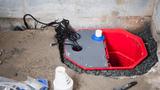
Also known as a sump basin, a sump pit is a hole with a gravel base located at the lowest part of the basement. Keeping water away from your basement is at the heart of a sump pump pit’s design.
After a heavy rain or snow, groundwater levels increase and make it possible for water to leak into your home and cause water damage. Water issues in the basement can also stem from dysfunctional gutters, a high water table, or water pooling around the foundation.
When the water level in the sump pit gets to a certain level, the sump pump automatically starts pumping out the excess water via a discharge line. The water is then directed to a designated drainage area such as a dry well, neighborhood drain, creek, or pond.
Aside from collecting excess water, sump pump pits help minimize radon gas. When soil gases make their way into your home, the sump pit stops them before they cause any problems.
How Is A Sump Pit Installed?
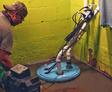
Sump pumps are available in many varieties, but this is a general overview of the sump pump pit installation:
This is a straightforward process, but it’s best left to professionals to ensure efficient installation and proper sump pump function.
Debunking Common Sump Pit Misconceptions
Let’s debunk some of the myths that discourage homeowners from installing sump pits.
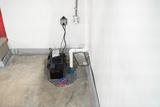
Myth 1: Sump Pits Take Up a Lot of Room
Regardless of how big your basement is, space is always at a premium. Some homeowners worry that sump pumps take up more room than they have to offer. This is simply not true.
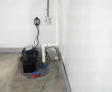
Sump pump systems are compact. They are located in the basement floor, and depending on the sump pump model you use, it can take up a minimal amount of space. You can see an example of how much space a sump pump takes up in a basement below.
Myth 2: Sump Pit Systems are Complicated
This misconception stems from the fact that many homeowners don’t understand how sump pump systems work, although they are quite simple. Sump pump systems consist of two primary components: the sump pump and the sump basin/pit. There is also a discharge pipe, which directs water away from your house.
The sump pit serves as a catch-all for excess water. When the water is high enough in the pit, it triggers the sump pump to turn on and move water into the discharge pipe and toward a designated drainage area. In doing so, sump pumps prevent a variety of moisture-related issues.
Myth 3: You Don’t Need a Sump Pit With Your Sump Pump
Heavy storms and moderate rains are common in many areas across the United States. This increases the risk of flooding in homes with a basement. Installing a sump pit is a useful way to protect against this, but it becomes especially valuable when paired with a working sump pump.
While you can empty the pit manually, having a system that also includes a sump pump is always better for the homeowner. It is safer, more reliable, and more convenient. You can get your sump pit and sump pump specially fitted by a professional to ensure they’re working effectively together.
Myth 4: Sump Pits Have a Tendency to Fail
One of the leading reasons homeowners hesitate to install sump pits is the fear that they will fail. However, this is very rare. Failure can occur due to:
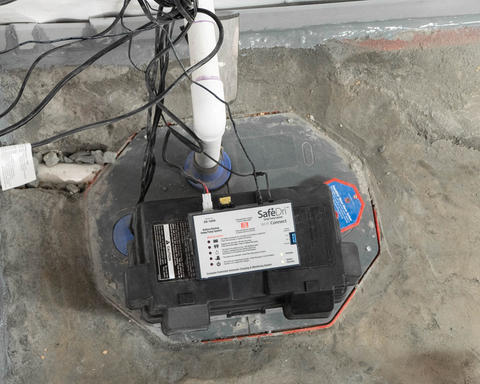
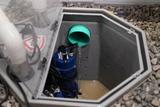
However, most of these issues are easily avoidable with proper maintenance. In the case of power outages, investing in a backup generator can help. Some sump pumps, such as the system pictured here, even come with backup battery power in case of a power outage.
Enlisting the help of a professional helps to ensure any potential issues are mitigated before installation. Not to mention, you can generally find warrantied sump pumps when you work with a trusted team of waterproofing specialists for even more protection.
3 Major Benefits of Installing a Sump Pump Pit
Installing a sump pump is a great way to keep your basement protected from standing water. In fact, this solution generally serves as the first line of defense against water damage.
Let’s go over a few of the benefits that can be gained with sump pumps:
1. Protects Home Value
One of the major reasons installing this type of drainage system is so important is that it protects the value of your home. Without a sump basin, your home could face a lot of structural damage, which ultimately lowers its value. Having one makes the space safer and cleaner, making your home more attractive to potential buyers if you choose to sell.
2. Keeps the Home Healthy

Without the pump, your basement could be overrun by mold, wood rot, and pests. That brings us to another major benefit – keeping your home healthy.
If mold, wood rot, or pests appear under your home, they can cause structural damage and make your home’s interior a bit uncomfortable. Plus, mold and pests can release harmful particles into the air.
Sometimes, these particles can cause allergies, sickness, or sore throats for anyone inside your home. Sump pumps provide some defense against these issues and keep your loved ones safe.
3. Stops Flooding
Water that gets into your basement usually comes from underground. In basements, this can actually cause the floor to crack and leak, causing both structural damage and flooding under your home.
If flooding occurs in your crawl space, it can damage support posts and lead to sagging floors in your home. Sump pumps are a huge factor in preventing below-home flooding, and that makes them a valuable tool for any homeowner.
Need Sump Pit Help?
At Groundworks, we understand leaky basements—what causes them, how quickly they can escalate, and the damage they leave behind.
That’s why we offer proven basement waterproofing solutions tailored to your home’s specific needs, including expertly installed sump pump systems. A sump pump pit is the first line of defense in keeping your basement dry.
Our local experts assess everything—from soil conditions and drainage to the size and location of your sump pit—to ensure maximum protection. Whether you’re dealing with occasional seepage or chronic flooding, Groundworks has the tools and experience to help you take control of your basement.
Find a Groundworks expert near you to explore sump pump options and take the first step toward a drier, healthier home.
Sump Pump Pit FAQs
Regular inspections are key to a properly functioning and long-lasting sump pump system. When Groundworks installs your basement sump pump, you can enroll in our annual maintenance program to ensure your system continues to protect your home.
The cost varies depending on factors including the type of sump pump, the size of your basement, and other waterproofing installations. During a free inspection, your Groundworks inspector will provide you with an accurate cost breakdown of customized solutions—including a sump pump—along with various financing options.
We discourage DIY sump pump installations, as big-box store options are often expensive, temporary, and difficult to install. Don’t risk your home’s safety; trust your local Groundworks company to recommend basement waterproofing solutions customized to meet your needs.
Related Resources