AI-Powered
 Tips to Maintain Older Homes in Lancaster County, PA
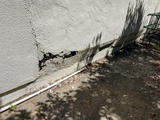
Lancaster County, PA, is known for its rich history, scenic farmlands, and charming historic homes. Over half of the homes in the area were built before 1950, making foundation maintenance a major concern for many homeowners.
If you live in an older home, foundation issues can become a serious concern over time. Understanding the signs, causes, and solutions for old home foundation repair is crucial to maintaining your home’s integrity.
Why Are Older Homes in Lancaster County More Prone to Foundation Issues?
Like any structure, a home’s foundation naturally weakens with time. But older homes, especially those built before modern construction standards, are even more susceptible to foundation damage due to factors like:
- Aging Materials: Many historic homes in Lancaster County were built with fieldstone or early concrete mixtures that lack the durability of modern construction materials, making them more vulnerable to moisture damage and deterioration.
- Soil Movement: Pennsylvania’s mix of clay and silt soil expands and contracts with seasonal moisture changes, which can cause foundations to settle unevenly.
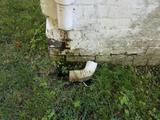
- Drainage Problems: Many older homes in the county weren’t built with modern drainage systems, leading to water pooling around foundations and accelerating damage.
- Extreme Weather: Freeze-thaw cycles common in Lancaster County can cause foundation materials to crack over time, especially in homes without updated waterproofing.
What Are Common Foundation Issues in Older Homes?
If you own an older home, foundation repair may become a necessary investment. Here are some of the most common signs of foundation problems:
Problem
What It Means
Foundation settling or soil movement
Structural shifts affecting frame alignment
Sinking foundation or soil displacement
Uneven settling of the foundation
Foundation cracks allowing moisture in
What to Do
Monitor small cracks; call for widening ones
Check for gaps around frames
Use a level; call an expert if severe
Monitor and assess if gaps widen
Improve drainage, consider waterproofing
Your house may have more than one of these issues, and that’s common. If you’ve noticed multiple signs from this list, it may be time to schedule a foundation inspection and invest in basement waterproofing and foundation repair solutions before damage gets worse.
How Can I Check My Foundation?
Before calling a professional, homeowners can conduct simple checks to assess potential foundation damage:

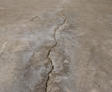
- Look for Exterior Cracks: Walk around your home and inspect the foundation for cracks. Small hairline cracks may be normal, but larger or widening cracks indicate a serious issue.
- Test Doors and Windows: If multiple doors or windows suddenly become difficult to close, it could be due to foundation shifting.
- Inspect the Floors: Walk across rooms and feel for dips or slopes. Placing a marble on the floor can help you see if it rolls in one direction on its own.
- Check for Water in the Basement: Musty smells, damp walls, or puddles can indicate foundation cracks allowing moisture inside.
Still unsure? We understand this can be overwhelming, but you don’t have to handle it alone. You can rely on experienced local professionals like Groundworks for guidance.
When Should I Call a Professional for Foundation Repair?
If your old home’s foundation repair needs go beyond minor maintenance, professional help is recommended. Here’s why foundation repair experts should be contacted early on:
- Early Detection Saves Money: Catching foundation issues early prevents costly repairs in the future.
- Expert Assessment is Key: A professional inspection can accurately determine the extent of the damage and recommend effective solutions.
- Long-Term Stability: Investing in foundation repair ensures your home remains safe and secure for decades to come.
How Do I Fix Foundation Damage?
After a Groundworks expert evaluates your home, we recommend solutions tailor-made to your unique repair challenges and needs.
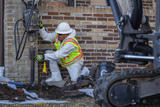
Sinking Foundation Repair Solutions
We may suggest the following systems to address movement and foundation settlement:
- Foundation Piers: Foundation piers—helical, push, and slab—are installed deep into the ground until they reach more stable soil for proper foundation support. These systems provide permanent stability, can potentially lift the house back toward its original position, and help close cracks and gaps.
- Crawl Space Jacks: Durable crawl space jacks bolster damaged or sagging floors or floor joists. They are adjustable to fit the height of your crawl space and may raise uneven floors.
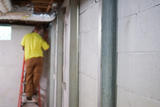
Wall Repair Methods
Basement walls that start bowing or are thrown out of alignment if the foundation sinks can also be remedied. Wall anchors and wall braces can help return moderately damaged walls back to plumb, and carbon fiber straps prevent further movement on minimally damaged walls.

Moisture Management
Moisture is your home’s No.1 enemy, so it’s best to protect structural components with basement waterproofing or crawl space encapsulation methods. We install systems specifically designed for each environment, but they include interior drainage, sump pumps, vapor barriers, and dehumidifiers.
Preventative Measures
You can take various precautions around your house to prevent foundation problems, including:

- Maintaining consistent soil moisture around your foundation, especially during drought periods when soil shrinkage can cause sinking foundations.
- Ensuring proper drainage with gutter and downspout maintenance and yard regrading.
- Monitoring existing minor cracks for changes that might indicate more serious movement.
- Scheduling foundation inspections, particularly if your home was built before the 1980s.
Protect Your Old Home’s Foundation With Groundworks

Older homes in Lancaster County add charm and history to the area, but they require extra care to remain structurally sound. By understanding the risks, recognizing early warning signs, and taking action with old home foundation repair, you can protect your investment and keep your home standing strong for years to come.
If you notice signs of foundation problems, don’t wait until it’s too late. Schedule a free foundation inspection today and safeguard your home’s future with Groundworks.
Old Home Foundation Repair FAQs
Yes, homes built before 2000 often don’t meet current seismic standards and may require retrofitting to improve their resilience during earthquakes.
Wood rot can affect homes of any age if moisture and ventilation issues are present in crawl spaces or other wood-heavy areas.
Yes, foundation repair restores the stability and integrity of your building, preventing further damage. Solutions like helical piles and polyurethane injection provide long-lasting support for your foundation.
Related Resources