

 AI-Powered
 Soil Layers Explained
When the earth as we know it was being formed, wind, glacial deposits, and erosion created different layers of soil. Builders can contribute to creating additional layers of fill soil when they move hills to pave way for construction sites.
Let’s look at five types of soil layers so you can understand how they came into existence.

What Are Soil Layers?
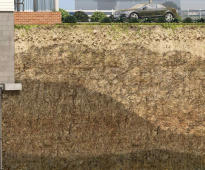
The term “soil layers” refers to a soil horizon that runs parallel to the earth’s surface. Each layer of soil has unique biological and chemical characteristics from the preceding or subsequent layer. Soil layers gain strength and stability with time. Water, wind, glaciers, and human activity all have a hand in the formation of soil layers.
Some layers of soil are good for construction, while others are hotbeds for structural problems. Your home is likely built across different layers of soil. Each layer has a different depth and characteristics to suit various types of structures.
Soil Composition
Before delving into specific soil layers, it’s important to note that soil is comprised of various elements and organic materials.
While numerous types of soil exist, they all have the same basic ingredients: clay, silt, and sand.
Let’s take a brief look at each one.
Clay
Clay soils are common in many areas across the country.
These types of soil are known as expansive soil, meaning they hold onto water, swell and expand when wet, and shrink during dry periods.
Silt
Silt’s makeup and texture land it between clay and sand particles. It also is often mixed with the other two soils.
Silt often has intermediate drainage properties, and it is prone to erosion.
Sand
Sandy soils are also far-reaching, particularly along coastal areas and in the southern United States.
These soils are made of large particles, drain water quickly, and can wash away and erode during heavy rain and storms.
Different Types of Soil Layers
Soil has various horizons and other layers, but here are five of the most common beneath the surface:
Fill Soil
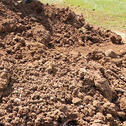
When a home is constructed, a hole in the ground slightly larger than the foundation is excavated. Once the foundation is built, the dirt originally found in the hole is packed around the new foundation. Regardless of how well the construction team compresses the soil, this transported dirt is looser and fluffier than the original virgin soil and is more absorbent to water.
With a lot of construction work going on, soil for foundations is becoming scarce. Sometimes, builders are forced to bring in soil from other locations to cover up hollows and depressions in the ground. The soil taken from a different area is called fill soil.
Fill soil supplies a sturdy base for construction work. It consists of a mixture of rocks, clay, and sand which provide a more stable construction material. It’s mostly used for large construction projects and landscaping. It’s used to level up the ground around the foundation area and fix water drainage issues. Fill soil also secures the ground and retains walls.
Bedrock
Also known as load-bearing strata, bedrock is a solid layer of the earth. It’s made up of sandstone, limestone, and other types of rocks. It’s stable and weather resistant. The bedrock can be exposed or buried under the soil, sometimes going hundreds of feet deep.
Bedrock provides an excellent base for heavy buildings. In areas where the soil is shifty or weak, foundation contractors usually drive piers into the bedrock to bolster the foundation.
Wind Deposits
Wind can also wear away the soil surface (abrasion) or carry with it fine particles of silt and clay from the ground. These deposits are known as loess. With time, the deposit can become thick. Such soils are fertile and used for farming.
Glacial Deposits
When a glacier recedes, it can deposit drift along the land surface, including different rock materials, ranging from small clay sediments to unsorted rock debris, sand, gravel, and coarse particles. These rock materials can form soil layers that can aid construction. Some of the deposits are washed away by running water and deposited in lakes. It’s good to identify the type of soil formation on the ground before you start any construction work.

Erosion Soil
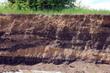
Wind, ice, and running water can dislodge surface soils, especially topsoil, and move them away. Over time, these forces can lead to weathering. Erosion often leads to soil degradation with the most common being the loss of nutrients and organisms that help hold the soil layers in place.
Lucky for you, there are many ways to stop soil erosion before it damages your foundation or interferes with ongoing construction. Landscaping and stabilizing the slope in your land are two of the recommended techniques.
Dealing With Soil-Caused Home Damage? Contact Local Pros for Trusted Repairs
If your home’s foundation rests on top of unstable soils, it can settle rather quickly. This can lead to cracks and other structural problems that can make your home unsafe.
Groundworks can help you stabilize the foundation so it can support your entire house as it’s supposed to. To get started, schedule a free foundation repair inspection today. Our knowledgeable team is eager to help you create a safe and stable living environment that you’ll be able to enjoy for many years to come, regardless of what kind of soil your property has.