

 AI-Powered
 7 Reasons Why Mudjacking Doesn’t Fix Concrete
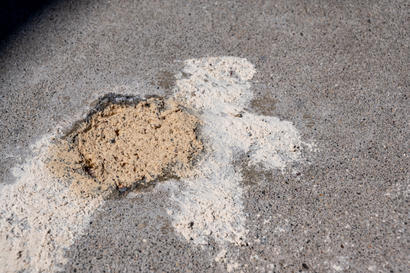
If you’ve noticed sinking concrete around your home like a cracking driveway or an uneven concrete patio, you might be looking for a quick, reliable fix. In your search, you might’ve come across mudjacking.
It’s still a common method recommended to homeowners. While it might sound like a simple solution, here’s the truth: it’s an outdated method that often causes more problems than it solves.
At Groundworks, we’ve seen what works—and what doesn’t. Mudjacking is rarely a lasting solution. Below, we’ll walk you through why this method falls short and share what we recommend instead.
What is Mudjacking and Why Does it Fail?
Mudjacking (sometimes called slabjacking) is a repair method used to lift sunken concrete. It works by drilling large holes into the slab and pumping a heavy slurry mixture—usually made of water, soil, sand, and cement—beneath it.
This slurry fills gaps and pushes the slab upward. It may sound simple, but the results rarely hold up over time. Let’s dig into why.
1. It’s a Short-Term Fix
Mudjacking doesn’t solve the root of the problem: weak, shifting soil beneath your concrete. The heavy mix of soil, sand, water, and cement used in mudjacking is a lot like the ground that failed your concrete in the first place.
Think about what happens after a heavy rain. Water seeps into the soil, washing it away or making it soft and unstable. That’s exactly what caused your concrete to sink, and mudjacking just adds more of the same vulnerable material.
Over time, the ground settles again, and your slab sinks right along with it. It’s a cycle of sinking, patching, and repeating—and it rarely holds up for long.
2. It Adds Too Much Weight
The mudjacking mixture is dense and heavy. In fact, it often adds thousands of extra pounds to the already unstable soil. Instead of solving the problem, it makes it worse—adding pressure that can cause soil to shit even more over time.
A better solution? A lightweight material that strengthens the soil without weighing it down.
3. The Lift Isn’t Precise
It’s tough to control where and how much the slab lifts with mudjacking. The process isn’t exact, and results can be uneven—leading to more cracks, dips, and even tripping hazards. When you’re trying to protect your home, guesswork isn’t good enough.
4. It’s Messy
Mudjacking can leave your property looking worse than before. The drill holes are large (about the size of a soda can), and the slurry can stain your concrete.
Heavy equipment may also tear up your lawn or landscaping. Clean, professional results are hard to come by with this method.
5. It Can Damage Underground Utilities
Concrete slabs often cover water lines, gas pipes, or electrical conduits. The high-pressure injection used in mudjacking can accidentally rupture these lines—causing leaks, safety hazards, or costly repairs.
It’s not just a concrete problem. It’s a risk to your entire property.
6. Weak or Limited Warranties
Even when mudjacking comes with a warranty, it often only covers workmanship—not future settlement or cracks. That leaves you on the hook for more repairs if the problem comes back (and it usually does since mudjacking doesn’t last). You deserve a solution backed by strong warranties and proven results.
7. It’s Not Environmentally Friendly
The materials used in mudjacking aren’t biodegradable. The heavy machinery needed for the job can damage your landscaping, release carbon emissions, and add unnecessary waste to the environment. Overall, modern concrete lifting methods are cleaner, greener, and more responsible.
The Better Alternative: PolyRenewal™ from Groundworks
If you’re dealing with cracked or sinking concrete, mudjacking isn’t your only option. At Groundworks, we offer PolyRenewal™—a modern, engineered solution that’s cleaner, faster, and built to last.
Why Homeowners Choose PolyRenewal™
- Fast Curing: Sets in just 15 minutes, so you can use your space the same day.
- Minimal Disruption: Requires only small, penny-sized holes in your concrete.
- Precision Lifting: Allows for exact calibration to ensure an even lift.
- Lightweight & Waterproof: Won’t add weight to soil or wash out over time.
- Soil Stabilization: Strengthens the ground beneath your concrete to prevent future sinking.
PolyRenewal™ is backed by Groundworks’ trusted service, expert crews, and long-term protection plans. We’re here to help restore safety and stability to your home—without the mess or guesswork.
Groundworks Fixes It Right the First Time
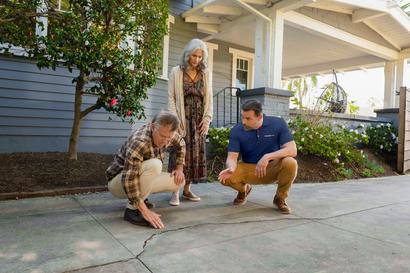
Sinking concrete doesn’t have to be a recurring issue. Let our team inspect the problem and recommend a tailored solution that protects your home for the long haul. Schedule your free inspection and estimate today with Groundworks—America’s trusted name in concrete repair.
Mudjacking FAQs
It may cost less upfront, but the short lifespan often leads to repeat repairs—making it more expensive in the long run.
Results vary, but most mudjacked slabs settle again within 2 to 5 years due to ongoing soil movement.
Drill holes are typically 1 to 2 inches wide—about the size of a soda can—and are permanently visible, even after patching.
Related Resources



Ted Dryce
Disclaimer: “Concrete leveling” means the process by which cracked, uneven concrete is stabilized, and in many cases lifted, by means of PolyRenewal™ polyurethane foam. Groundworks does not guarantee that PolyRenewal™ can make your concrete perfectly level.