AI-Powered
 Slab Foundations vs Pier and Beam: What’s the Difference?
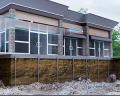
When building or buying a home, one of the most important aspects is what lies beneath your feet. The type of foundation your home sits on plays a huge role in its stability, comfort, and long-term maintenance needs. Over half of all new residential homes are built on either slab foundations or pier and beam foundations.
While they both serve the same core purpose by supporting the structure of your home, they differ greatly in design, cost, and performance over time. In this article, we’ll break down the key differences between slab and pier and beam foundations so you can better understand how each works, their unique advantages, and the potential drawbacks to watch out for.
What Is a Slab Foundation?
A slab foundation is a single layer of concrete poured directly onto the ground, typically reinforced with rebar or wire mesh. The straightforward installation process and quick curing time means that a slab foundation is often a cost-effective choice when building a new home. Slab foundations are widely used in the South and Southwest, where the climate is warm and frost heave is less of a concern. They are also common in newer residential developments due to their cost-effectiveness and quick installation process.
What Is a Pier and Beam Foundation?
A pier and beam foundation features vertical piers driven into the ground, which support horizontal wooden, concrete, or steel beams. These beams hold up the floor of the home, creating a raised structure with a crawl space underneath. Crawl spaces provide convenient access to plumbing and electrical fixtures, making maintenance simple and straightforward. However, due to its exposed design, a pier and beam foundation is more susceptible to problems such as water and humidity damage, wood rot, and pest infestations.
Pier and beam foundations are commonly found in areas with expansive clay soils, flood-prone zones, and older neighborhoods. They are especially prevalent in Southern or coastal regions where soil movement or high water tables make slab foundations less practical.
Pier and Beam vs. Slab Foundation: Key Differences at a Glance
Raised foundation types have several benefits and disadvantages. Consider the following when building or purchasing a home:
Moisture Resistance
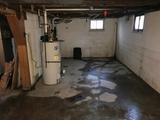
In the slab vs pier and beam comparison, moisture handling is crucial. Pier and beam designs elevate the structure, reducing flood risk and allowing airflow underneath to prevent mold. Slab foundations, though solid, are more vulnerable to moisture damage if not properly waterproofed.

Upfront Cost
Slab foundations tend to be more budget-friendly during initial construction, making them attractive for developers. A raised foundation vs slab foundation may cost more upfront but offers benefits in repair access and long-term performance.
Ease of Repair
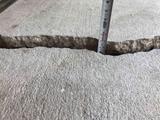
Slab vs pier and beam foundations differ significantly when it comes to repair. Pier and beam systems are easier to access for plumbing, HVAC, and structural fixes. Slab repairs often require breaking into the concrete, which can be invasive and expensive.
Climate Suitability
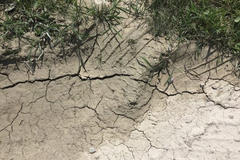
Climate plays a big role. Slab foundations work best in hot, dry climates. Meanwhile, pier and beam systems shine in areas with variable moisture levels, clay soil, or flood risk.
Which Foundation Type Is Right for Your Home?
The best foundation is a safe and stable one. Consider these factors to help determine the ideal foundation for your project:
- Soil Type Considerations: Pier and beam foundation fare better than slabs in places with expansive clay soil. If your soil is stable and dry, a slab may suffice.
- Flood Risk and Moisture Exposure: If your area sees frequent heavy rains or has a high water table, pier and beam foundations offer better moisture protection.
- Home Age and Regional Building Norms: Older homes often use raised foundations, while many modern builds default to slab. Check what’s typical in your area.
- Long-Term Maintenance Needs: Pier and beam homes may need releveling or wood replacement over time. Slab foundations may eventually crack or sink, requiring slab lifting or foam injection.
The soil beneath the piers may settle over time, leading to foundation settlement and potential structural problems. Considering local climate, soil conditions, and building codes is essential when choosing the right foundation type for your project. These factors determine whether your foundation is stable or at risk of safety issues. If you’re unsure, contact a foundation professional for expert advice.
How to Repair a Slab Foundation
Slab foundation repair methods are straightforward and require professional solutions for long-term results. These techniques include:
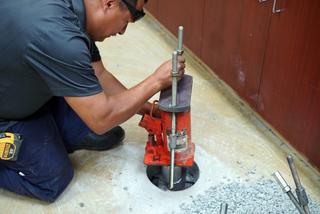
- Slab Piers: Steel piers installed beneath the slab to lift and stabilize the foundation
- Polyurethane Foam Injection: Expanding foam lifts sunken areas and fills voids
- Slab Lifting and Leveling: Combination of piers and foam injection to restore level surface
Pier and Beam Repair Solutions
Professionals use specialized methods to repair pier and beam foundations, including:
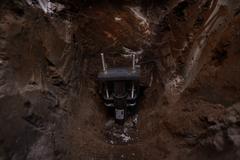
- Helical Piers: Adjustable steel piers for stabilizing sagging beams
- Joist and Sill Repair: Replacing decayed or broken wood elements
- Full Releveling: Adjusting all support points to restore proper elevation
- Crawl Space Encapsulation: Sealing and conditioning the space under your home to prevent moisture damage
Trust Groundworks for Expert Foundation Repair

Choosing the proper foundation type is critical for long-term safety and stability. Whether you consider the accessibility of a raised foundation or the efficiency of a slab, understanding the pros and cons will help you decide. Remember: regional climate, soil conditions, and topography determine the foundation type that will work best.
Need help deciding between a pier and beam foundation vs slab? Contact Groundworks today for a free inspection and expert guidance.
Foundation Repair FAQs
The duration of foundation repair depends on the extent of the damage and the type of repair needed, but most repairs can be completed within a few days to a couple of weeks.
In most cases, you can stay in your home during repairs. However, there might be some noise and temporary disruption depending on the extent of the work.
Groundworks’ solutions are made to last long-term. When you have your foundation repaired by us, it comes with a lifetime warranty of the home. This warranty is transferrable to new homeowners should you decide to sell your house.
Related Resources