

 AI-Powered
 Crawl Space Water Problems
Concerned about water in your crawl space? Learn what causes it and the Groundworks repair options that provide long-term protection.
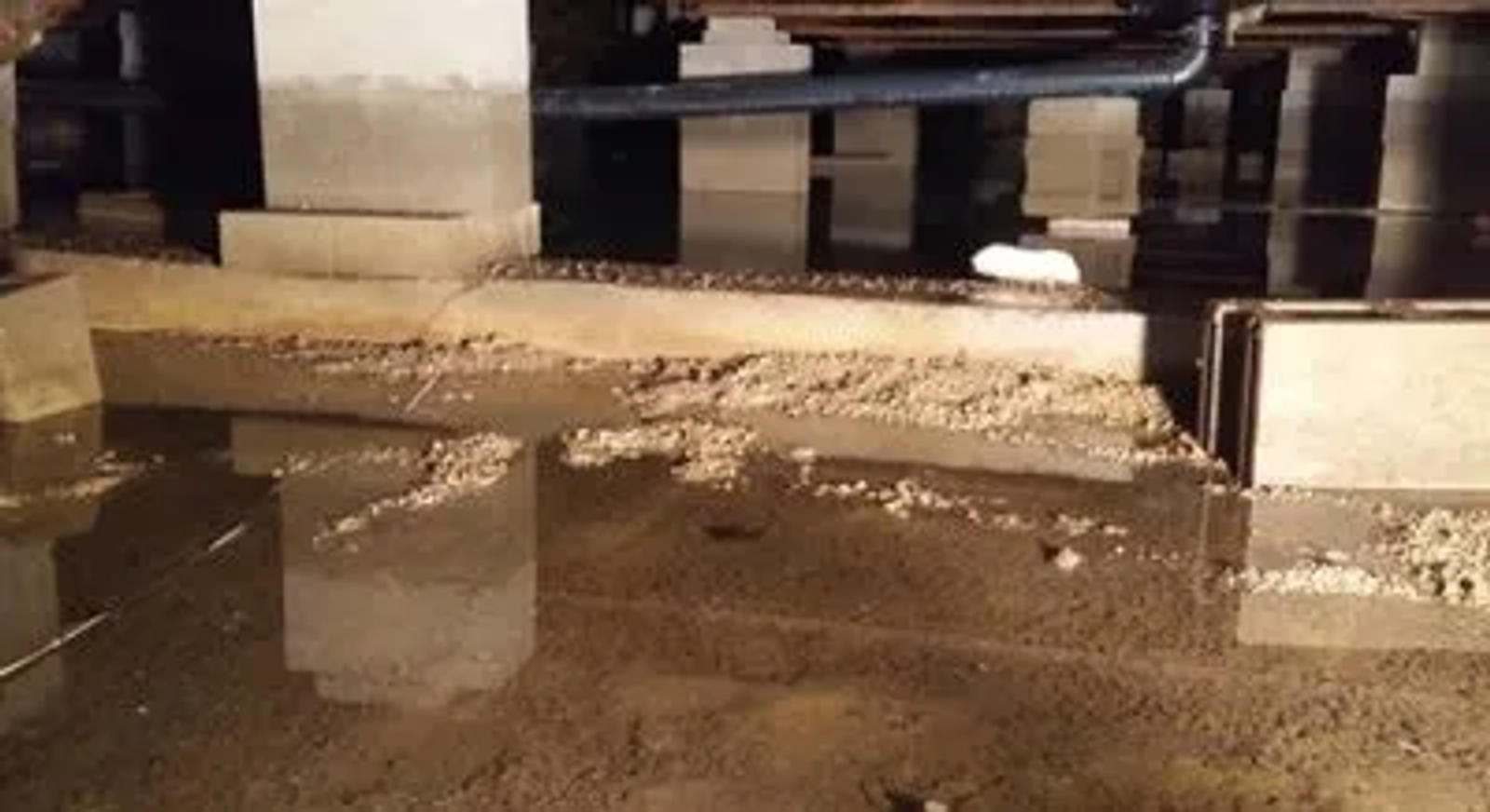
Identify and Stop Crawl Space Water Damage Before It Spreads
Water leaks are every homeowner’s worst nightmare because of how quickly they cause damage. Water in crawl space areas is especially risky because it often remains unseen, allowing moisture problems to persist and damage to spread.
Telltale symptoms include sagging floors, mold growth, and musty smells. Recognizing and repairing these issues as soon as possible is crucial to prevent structural damage, expensive repairs, and health risks.
Learn what causes crawl space water, how to identify it, and how Groundworks can help you fix it for good.
What Causes Water In the Crawl Space?
Open crawl space vents, leaking pipes, and runoff or pooling groundwater are common sources of standing water in crawl space areas. Crawl space moisture issues are caused by:
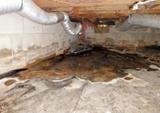
Open Vents
Open crawl space vents allow outside air and water to flow directly into the space, bringing in humidity that condenses on cooler surfaces. Over time, this constant moisture leads to mold, wood rot, and musty odors inside your home.
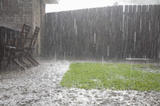
Seasonal Weather
Heavy rain, snowmelt, and seasonal flooding can overwhelm your home’s exterior, forcing water into the crawl space through walls, corners, the floor, and open vents. Repeated wet seasons keep the area damp for long periods, increasing the risk of structural damage.
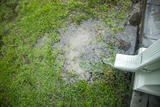
Poor Drainage
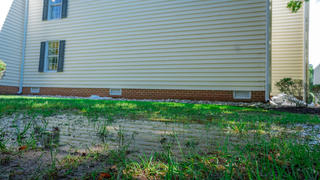
Negative yard grading, short or misaligned downspouts, clogged gutters, and missing moisture barriers allow runoff to pool around and eventually enter your crawl space. When water collects at the foundation, it seeps through porous concrete and gaps, creating chronic dampness or a flooding crawl space.
High Groundwater
In areas with a high water table, groundwater rises and pushes against the crawl space from the outside, surrounding it with moisture. This pressure forces water up through the floor and walls, often causing standing water even when it isn’t raining.
Plumbing Leaks
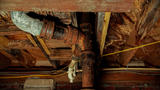
Dripping pipes, faulty water heaters, and tiny leaks in supply lines can quietly release water into the crawl space. Because this happens out of sight, leaks often go unnoticed until significant moisture damage has already occurred.
Failing Waterproofing
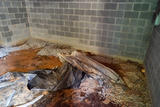
Old, clogged drainage systems or improperly installed moisture barriers allow water to bypass protection and seep through crawl space walls and floors. This can even result in water in encapsulated crawl space areas. As these systems deteriorate, moisture problems worsen, leading to mold growth, sagging floors, and poor air quality.
Have you noticed these issues around your home? Are you unsure about where water or moisture issues are coming from? Don’t worry; our expert teams have you covered. Contact your local Groundworks expert to help diagnose and repair the issue.
Signs and Symptoms of Crawl Space Water
Standing water in crawl space areas has far-reaching effects, including rotting wood, elevated humidity, and mold growth. Most homeowners rarely go into their crawl space, specifically for these reasons.
We care about your safety, and we don’t recommend inspecting your crawl space on your own. However, you can look for the following crawl space water effects throughout the rest of your home:
| Problem Sign | What It Looks Like | What It Is |
|---|---|---|
|
High Humidity Levels
|
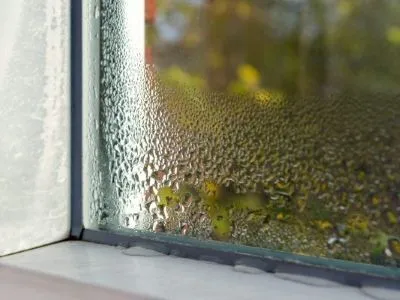 |
If your home feels damp or you notice condensation on windows and cold surfaces, excess moisture and humidity from the crawl space may be rising into your living areas.
|
|
Mold Growth
|
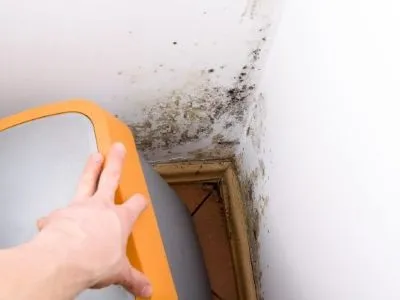 |
Visible mold on walls, baseboards, or around vents, especially in lower levels, often indicates persistent crawl space moisture feeding fungal growth.
|
|
Musty Odors
|
 |
A persistent, unpleasant, earthy smell usually means humid, stagnant air and possible mold or mildew coming from the crawl space.
|
|
Sagging or Bouncy Floors
|
 |
Sagging, uneven, or bouncy floors can result from moisture-damaged joists and beams weakening beneath your home.
|
|
Pest Infestations
|
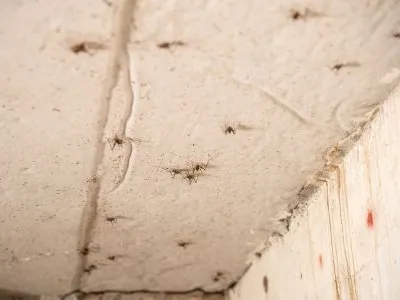 |
Increased activity from bugs or rodents inside your home may signal a damp, pest-friendly crawl space environment.
|
|
Higher Energy Bills
|
 |
When humid air seeps in from the crawl space, your HVAC system works harder to heat or cool your home, driving up monthly utility costs.
|
Vigilance is key, and it’s important to address these problems promptly. Further damage, unsafe and unhealthy living conditions, and expensive repairs result if water in crawl space issues continue.
The Most Common Crawl Space Problem Signs


How to Diagnose and Repair Water In Crawl Space Areas
Crawl space water issues can be complex and often difficult to discern on your own because they often overlap with other home damage. Recognizing something is wrong with your home is an excellent first step.
Checking for common symptoms and causes is important, but a professional evaluation is the best way to identify the root of the problem. Groundworks’ experts thoroughly inspect your home, pinpoint the cause of the problem, and repair it with tailored solutions.
Here’s what you can expect:
Diagnosis
In addition to the causes and symptoms listed above, they check the crawl space for other damage, including:
The comprehensive process also includes taking measurements, diagrams, and photos to fully understand what’s going on. The inspector then reviews the findings with you, explains recommended repairs, and provides a customized plan with available financing options.
When you’re ready, our team schedules the repair and handles details, such as permits and ensuring a safe, smooth process from start to finish.
Repair
Think of fixing crawl space water problems like going to a doctor to address illnesses and physical issues. You needed a personalized care plan to improve your health. Your crawl space deserves the same consideration.
Customizable solutions addressing crawl space water include:
- Crawl space drains that collect leaking water
- Sump pumps that remove water from the crawl space
- Drainage matting that redirects groundwater
These systems work best with other solutions to create a comprehensive crawl space encapsulation system, such as:
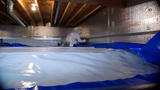
- Insulation panels for temperature control
- Dehumidifiers for humidity control
- Vapor barriers for complete sealing
This holistic approach is the most effective way to address water in crawl space areas and prevent future problems.
Will Water in My Crawl Space Resolve Itself?
Standing water in crawl space areas does not resolve on its own. It may appear to if it is absorbed by the dirt floor, but underlying moisture issues and causes remain. Unaddressed moisture accumulates over time, causing damage that leads to safety risks.
Addressing crawl space water early isn’t just about avoiding problems; it’s about unlocking benefits for your home and family. Here’s what you gain by taking action quickly:
- Stronger Structure: A dry crawl space helps keep floor joists and beams solid, supporting even, comfortable floors for many years.
- Healthier Air: Controlling moisture reduces mold and improves indoor air quality, creating a cleaner, more comfortable environment for your family.
- Lower Energy Bills: A dry, insulated crawl space helps your HVAC system run more efficiently, which can mean more stable temperatures and potential savings.
- Long-Term Home Value: Proactively solving moisture issues protects your home’s value and makes it more attractive to future buyers.
When you act early and choose Groundworks’ proven solutions, you’re not just fixing a problem; you’re investing in a safer, healthier, and more efficient home.
Groundworks Helps You Fix Crawl Space Water Permanently

Water in crawl space areas is a common but dangerous problem that poses health and safety risks for your home and family. Recognizing these problems and quickly fixing them with the right repairs is crucial to protecting what matters most.
You need a repair professional you can trust to accurately diagnose your crawl space problems and provide targeted solutions. The team at the Groundworks Company serving your area understands local environmental challenges and crawl space conditions, and can help you create a safer and healthier home. Contact us today to schedule a free inspection and estimate for lasting, customized solutions.
Crawl Space Water FAQs
Even a small amount of crawl space water is never harmless. Whether it’s standing water, puddles, or condensation, moisture can cause mold, wood rot, and structural damage if ignored. It’s important to address any signs of water right away to protect your home’s health and stability.
Yes, water in encapsulated crawl space areas can still happen and cause damage. Though less common, water can enter an encapsulated crawl space through plumbing leaks, HVAC condensation, or foundation cracks. Encapsulation significantly reduces moisture risks; however, regular inspections and maintenance are essential to ensure long-term protection and optimal efficiency.
Water accumulation during heavy rainfall is expected; however, it should drain away within a reasonable timeframe. Prolonged standing water in the crawl space is a cause for concern and should be investigated for its root cause. Consistent entry of rainwater into the crawl space should not be considered normal.