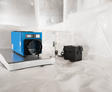
AI-Powered
 Crawl Space Encapsulation: Essential for the Humid Southeast Regions

While the Southeast’s humid climate brings warmth and beauty, it also creates challenges for homeowners. High moisture levels can wreak havoc on your crawl space, leading to mold, structural damage, and pest problems. Crawl space encapsulation is an effective way to protect your home and ensure a healthier, more efficient environment.
Crawl space encapsulation seals your crawl space from moisture and humidity, addressing the root cause of common crawl space issues. Here’s everything you need to know about why encapsulation matters, how it works, and the benefits it provides.
Why Is the South So Humid?
The Southeast is one of the most humid regions in the U.S., thanks to its unique climate and geography. Warm temperatures, frequent rainfall, and proximity to large bodies of water like the Gulf of Mexico and the Atlantic Ocean create consistently high relative humidity.
Vegetation also contributes through transpiration, releasing moisture into the air. This humid environment encourages moisture buildup in crawl spaces, which can lead to mold growth, pest infestations, and weakened structural supports.
What Is Relative Humidity and Why Does It Matter?
Relative humidity is a measure of how much moisture is in the air compared to the maximum amount the air can hold at a given temperature. It’s expressed as a percentage. For example, if the relative humidity is 60%, the air is holding 60% of the moisture it’s capable of retaining.
In the Southeast, warm temperatures allow the air to hold more moisture, which is why the relative humidity levels in the region are often high. While outdoor relative humidity fluctuates throughout the day, the humidity in your crawl space can remain consistently elevated without proper protection, creating an ideal environment for mold, mildew, and wood rot.
Why Relative Humidity Matters for Crawl Spaces
High relative humidity in your crawl space can lead to several serious issues:
- Mold Growth: Mold thrives in environments where relative humidity exceeds 60%. This not only damages your home but also harms indoor air quality.
- Wood Rot: Excess moisture weakens wooden beams and supports, compromising your home’s structural integrity.
- Pest Infestations: Pests like termites and rodents are attracted to damp conditions often caused by high humidity.
- Energy Inefficiency: Humid air is harder to cool, which means higher energy costs as your HVAC system works overtime to regulate indoor temperatures.
How Crawl Space Encapsulation Works
Encapsulation transforms your crawl space into a dry, controlled environment, protecting your home from the effects of high humidity.
Sealing the Crawl Space

The process starts with installing a thick vapor barrier that covers the ground and walls, blocking moisture from entering. With vent covers, open crawl space vents are also sealed.
Managing Moisture
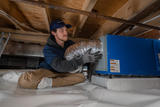
After sealing, systems like dehumidifiers are installed to maintain relative humidity below 60%, preventing mold growth. For homes with water intrusion, sump pumps and drainage systems keep the crawl space dry.
Adding Thermal Protection

Insulating crawl space walls improves energy efficiency and helps maintain stable indoor temperatures. This reduces heating and cooling costs while protecting your home from temperature fluctuations.
Protecting Against Pests and Structural Damage

Sealed crawl spaces are less inviting to pests like termites and rodents, making pest infestations much less likely. Encapsulation also protects wood beams and supports from moisture-related decay, preserving your home’s structural integrity.
Benefits of Crawl Space Encapsulation
Encapsulation offers several advantages for homeowners:
- Moisture Control: Prevents condensation, mold, and mildew.
- Improved Air Quality: Stops allergens and pollutants from entering your home.
- Energy Efficiency: Reduces heating and cooling costs by maintaining stable temperatures.
- Pest Prevention: Eliminates the damp conditions that attract pests.
Encapsulation Manages Relative Humidity
Crawl space encapsulation is designed to control and reduce relative humidity in your crawl space. By sealing the space with a vapor barrier and adding a high-efficiency dehumidifier, relative humidity is maintained at a safe level—typically below 60%. This prevents moisture-related problems and ensures your crawl space stays dry and protected year-round.
Signs You Need Crawl Space Encapsulation
Recognizing the signs of crawl space problems can help you take action before the damage worsens:
- Musty odors or damp smells coming from your crawl space.
- Mold or mildew visible on wood beams or walls.
- Uneven or sagging floors in your living space.
- High energy bills due to poor insulation or humidity issues.
- Pest infestations, including termites or rodents.
Crawl Space Solutions Designed for the Southeast

At Groundworks, we understand the challenges homeowners face in the humid Southeast. That’s why we offer advanced crawl space solutions tailored to your home’s unique needs.
From installing vapor barriers to managing humidity, we provide professional services that protect your home from moisture-related damage. Contact us today to schedule a free inspection!
Crawl Space FAQs
While it’s possible to insulate your crawl space yourself, it can be a complex task. Crawl spaces can be delicate and dangerous areas, putting your health and safety at risk when you enter. If repairs are not done correctly, they can lead to issues like moisture problems and inefficient heating or cooling. Hiring a professional is often the best way to ensure the job is done correctly.
Ideally, humidity should be kept below 60% to prevent mold and mildew. Using a dehumidifier can help maintain this level if the crawl space is prone to moisture issues.
A vapor barrier is a plastic liner laid on the crawl space floor to block ground moisture, while encapsulation is a comprehensive system that completely seals the entire crawl space, including walls, floors, and open vents. Encapsulation provides superior moisture control and typically includes additional components like dehumidifiers and drainage systems.
Related Resources