

 AI-Powered
 Wet Crawl Space Insulation
Concerned about wet crawl space insulation? Learn the warning signs and how Groundworks delivers reliable solutions for a dry, healthy crawl space.
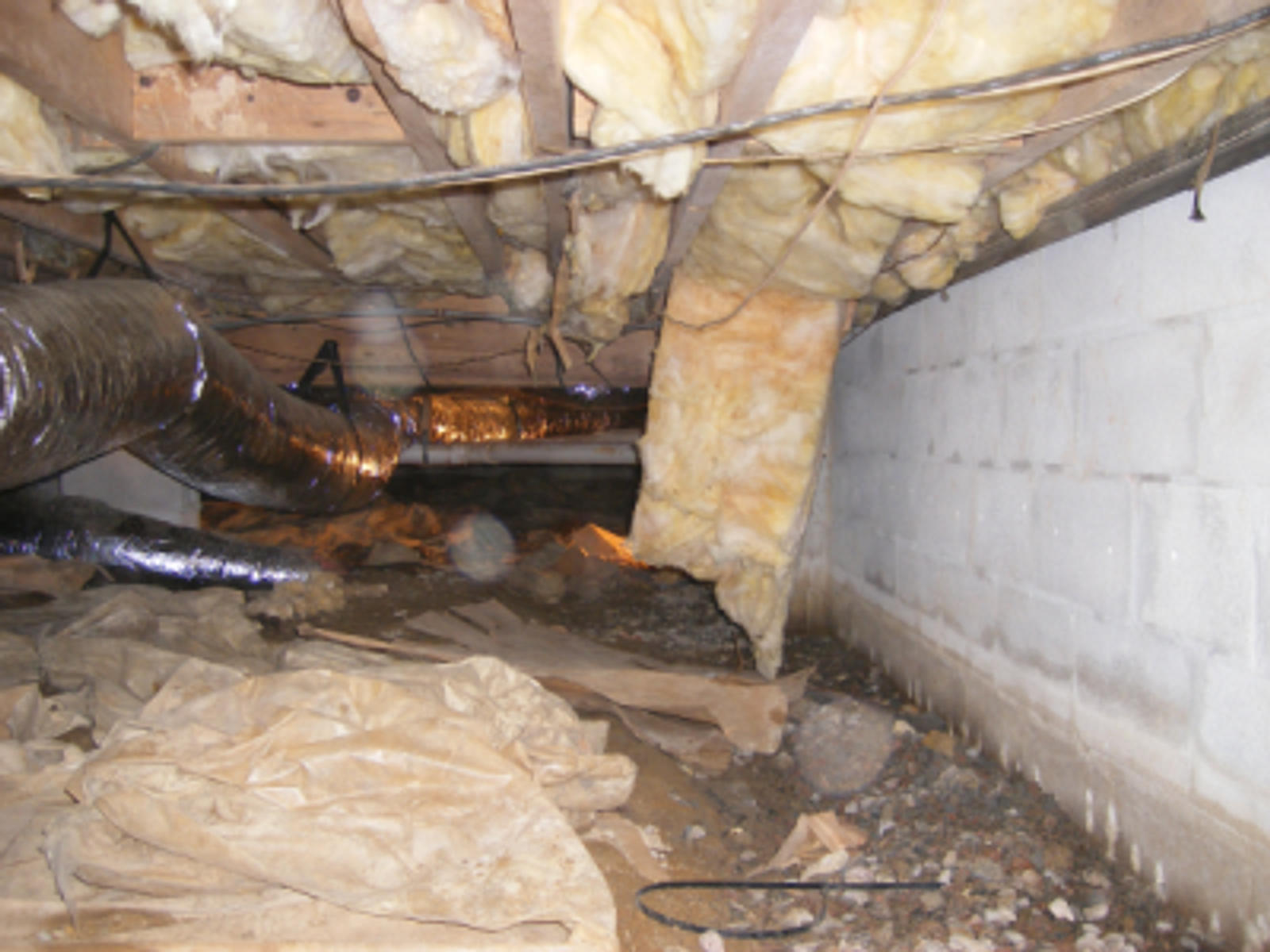
Identify and Repair Wet Insulation in a Crawl Space
Many homeowners don’t think about wet crawl space insulation until problem signs appear. However, damp, saturated, or falling insulation can cause more damage than having no insulation at all.
From high energy bills to mold growth, wood rot, and structural instability, wet crawl space insulation affects far more than just the foundation beneath your home.
Learn what causes wet crawl space insulation, the warning signs to look for, and Groundworks’ proven repair solutions.
What Causes Crawl Space Insulation to Get Wet?
Crawl space insulation gets wet when excess moisture enters the foundation and becomes trapped. The most common causes include:
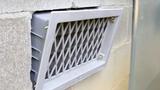
Open or Unsealed Crawl Space Vents
Open and unsealed crawl space vents allow outdoor air to enter, introducing humidity and moisture that can cause condensation on cooler surfaces, such as insulation and framing.
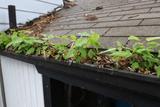
Improper Drainage
Clogged or damaged gutters, downspouts, or improper yard grading can direct water toward your home, rather than away from it. This runoff collects around the exterior crawl space foundation, where moisture gradually seeps through cracks and joints, saturating insulation and wooden supports.
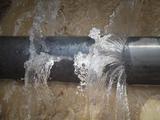
Plumbing Leaks
Plumbing lines and HVAC leaks can drip onto crawl space insulation. This constant, often unnoticed moisture exposure causes the insulation to deteriorate and promotes odor, mold growth, and wood damage beneath the home.
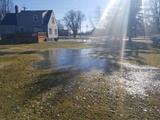
Groundwater and Weather Conditions
Groundwater and seasonal weather introduce moisture into crawl spaces. In areas with high water tables, groundwater can seep into the foundation. Heavy rain, snowmelt, and flooding worsen the problem, causing insulation to become saturated, sag, and lose effectiveness.
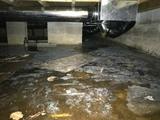
Lack of Encapsulation
Ineffective vapor barriers and inadequate encapsulation methods allow moisture to enter the crawl space. This moisture creates a damp environment, which is conducive to wet crawl space insulation.
Think your home may be at risk? Schedule a free crawl space inspection with Groundworks to identify moisture sources and protect your home.
Signs of Wet Crawl Space Insulation and Moisture Issues
Wet insulation in a crawl space often manifests as visible damage and warning signs inside your home. These symptoms indicate moisture intrusion and potential insulation failure.
Use the chart below to identify common problems and understand how each may signal wet or deteriorating crawl space insulation.
| Problem Sign | What it Looks Like | What It Is |
|---|---|---|
|
Sagging Floors
|
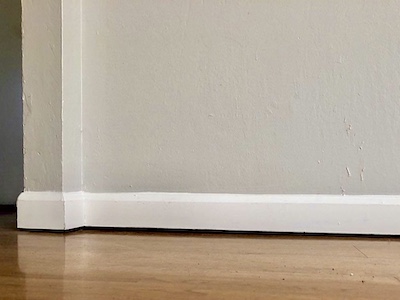 |
Moisture in the crawl space weakens wooden beams and joists, which leads to sagging floors. It can also saturate and damage insulation.
|
|
Mold Growth
|
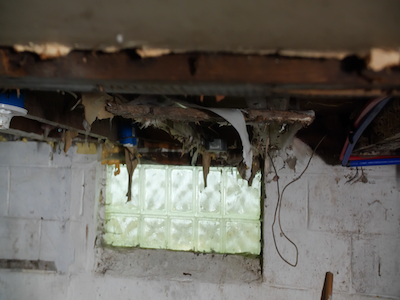 |
Persistent dampness from leaks or poor ventilation creates conditions for mold growth, and may also signal wet or deteriorating insulation.
|
|
Wood Rot
|
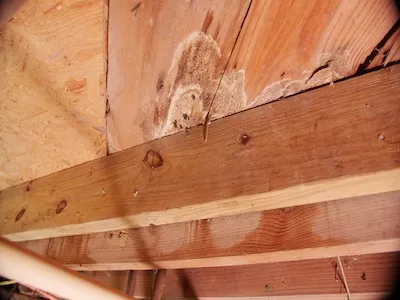 |
Excess moisture saturates insulation and contributes to wood rot in crawl spaces, a common sign of long-term water exposure.
|
|
Structural Damage
|
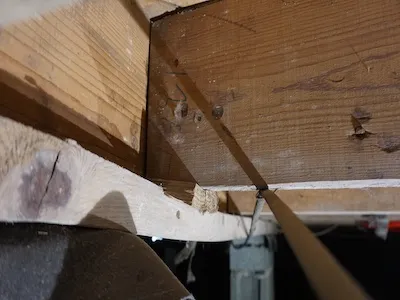 |
Saturated insulation holds moisture against structural components, accelerating rot and causing structural damage.
|
|
Musty Odors
|
 |
Wet insulation produces musty odors that travel into living spaces, signaling trapped moisture in the crawl space.
|
|
Pest Infestations
|
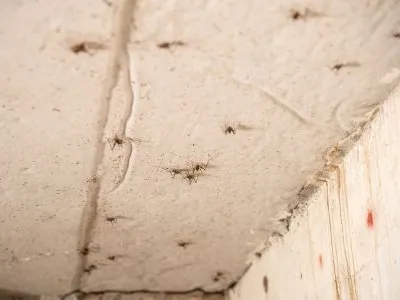 |
Wet insulation creates ideal nesting conditions for pests, indicating ongoing moisture problems in the crawl space.
|
|
Increased Indoor Humidity
|
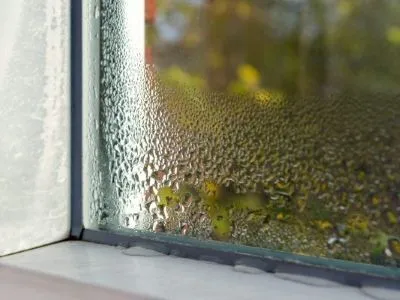 |
Moisture from the crawl space rises into the living areas, raising humidity levels inside your home.
|
|
High Energy Bills
|
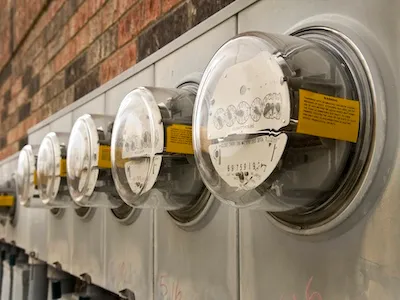 |
Wet crawl space insulation loses its thermal resistance, forcing HVAC systems to work harder to maintain indoor comfort, which can result in higher energy bills.
|
Identifying issues early provides valuable insight for your crawl space specialist and helps prevent minor problems from becoming costly repairs.
The Most Common Crawl Space Problem Signs


How to Diagnose and Repair Wet Crawl Space Insulation
Identifying the underlying cause of wet crawl space insulation is the first step in repair. Professional crawl space inspections are the most effective way to determine the source and extent of water intrusion.
Below, we outline Groundworks’ step-by-step inspection and repair process for identifying wet or damaged insulation and diagnosing whether it contributes to ongoing moisture problems in your home.
Diagnosis
Groundworks’ trained and certified experts conduct detailed crawl space inspections to evaluate all conditions affecting insulation and moisture issues.
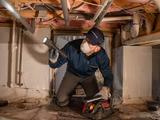
- Assess the condition of the crawl space insulation
- Measure humidity and moisture levels
- Identify condensation, mold, or wood rot
- Evaluate drainage, ventilation, and vapor barrier conditions
- Inspect for pest damage and structural concerns
This comprehensive evaluation determines the underlying cause of crawl space moisture and insulation failure. After the inspection, your Groundworks specialist reviews the findings and develops a customized repair plan tailored to your home’s needs and budget. All permitting and repairs are handled from start to finish to ensure a safe, long-lasting solution.
Crawl Space Repair
After the source of moisture is identified, Groundworks implements proven solutions to restore your crawl space’s health and prevent future damage. The repair process focuses on removing wet insulation, controlling humidity, and protecting against ongoing moisture intrusion.
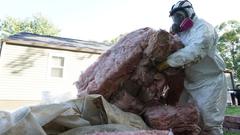
- Remove wet or damaged insulation: All saturated or mold-affected insulation materials are safely removed.
- Replace wooden components as needed: The area is thoroughly dried, and any affected components are replaced.
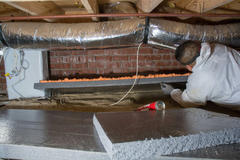
- Implement comprehensive moisture protection: Groundworks installs crawl space encapsulation solutions tailored to your home’s needs. These include durable vapor barriers to block ground moisture, professional-grade dehumidifiers to control humidity, and interior drainage systems to manage water intrusion.
- Re-insulate with proven materials: Finally, we install our ExtremeBloc™ thermal insulation panels to prevent structural moisture damage, improve indoor air quality, regulate temperatures, enhance energy efficiency, and maintain a stable indoor environment.
This comprehensive approach protects your home’s foundation and prevents future problems.
Will a Crawl Space Dry Out on Its Own?
Crawl space insulation does not dry out or regain its effectiveness on its own. If ignored, moisture problems worsen over time, leading to mold growth, wood rot, poor indoor air quality, and structural deterioration.
Professional inspections are the most reliable way to assess crawl space health. Addressing issues proactively provides lasting benefits, including:
- Stronger Structural Stability: A dry crawl space helps ensure floor joists, beams, and other foundation elements remain structurally sound.
- Improved Energy Efficiency: Dry insulation improves thermal performance, reducing energy use and lowering utility costs.
- Healthier Indoor Air: Controlling moisture prevents mold, mildew, and wood decay that negatively affect indoor air quality.
- Enhanced Home Value: Proactive measures help preserve your home’s condition and create a healthier environment that appeals to potential buyers.
Groundworks’ trusted crawl space solutions help create a healthier, safer, and more energy-efficient home for you and your family.
Trust Groundworks to Repair Wet Crawl Space Insulation

A healthy, dry crawl space supports your home’s structure, air quality, and long-term stability. Groundworks’ trusted local experts understand how soil conditions, weather, and humidity affect crawl spaces in your area.
Our team provides customized repair solutions that help keep your home dry, healthy, and protected year-round.
Schedule a free crawl space inspection today and see how Groundworks can help you maintain a safer, healthier, more comfortable home from the ground up.
Crawl Space Insulation FAQs
While some homeowners may choose to install insulation themselves, it’s often best to hire a professional to ensure proper installation and address any underlying issues.
The cost varies depending on the type of insulation and the size of the crawl space. Other contributing factors include the extent of damage in your crawl space and any other products and materials that need to be installed along with the insulation. The best way to get an accurate picture of the exact project cost is through a free inspection by a crawl space repair professional.
Signs that your crawl space needs insulation include cold floors, high energy bills, musty odors, and visible moisture or mold in the crawl space.