

 AI-Powered
 Understanding Drainage, Grading & Your Home
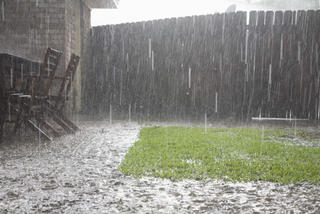
Understanding drainage and grading at your home is essential for maintaining a dry foundation.
While a robust waterproofing system does the heavy lifting to keep your basement dry, proper drainage and positive yard grading enhance its effectiveness. These elements work together to divert water away from your home, preventing damage.
Let’s explore how you can ensure your home is well-protected through effective drainage and grading practices.
The Basics of Landscape Grading
To regrade your home, you first have to understand the grade you’ve been provided through either natural or man-made means. There are two types of grades that you can find yourself working with. These are:
- Positive Grade
- If your home is at the highest point or one of the highest points in your lawn, it has a positive grade. At this point, water will rush away from your foundation, thereby limiting the amount of hydrostatic pressure you have to deal with.
- Negative Grade
- A negatively graded yard puts your home and foundation at the lower points in your yard. Negative grades drive water toward your home when it rains, causing pooling and poor drainage that can damage your structural supports.
Regrading your home allows you to compensate for your lawn’s natural grade. Often, this means redirecting water away from your home to keep your foundation, basement, or crawl space a little bit drier.
Identifying Poor Grading
Even if you don’t have the experience to help you identify poor grading by eye, rain tends to give a negative grade away. If you’re looking to assess your land’s grade, you’ll want to keep an eye out for:
- Spongy Soil
- The more water your soil has to absorb, the less stable it will be. While the surface of your yard may look fine, walking through it may bring water to the surface.
- Poor Draining Throughout Your Lawn
- Water runs toward the lowest parts of your lawn. These puddles will tell you where your lawn isn’t draining, allowing you to locate the low areas.
- Mosquitoes
- Mosquitoes love standing water. If you’ve noticed an uptick in mosquitoes, you may have a host breeding in your yard due to excessive moisture.
- Dying Landscape or Grasses
- Overexposure to water can cause mass die-offs in your landscaping and grass. Excess water rots plant roots, creating a messy situation.
How Can Contractors Re-Grade Your Lawn?
While you can speak to a landscaper about physically regrading your lawn, there are also other means through which you can use the grade of your landscaping to drive water away from your home. Consider:
- Catch Basins
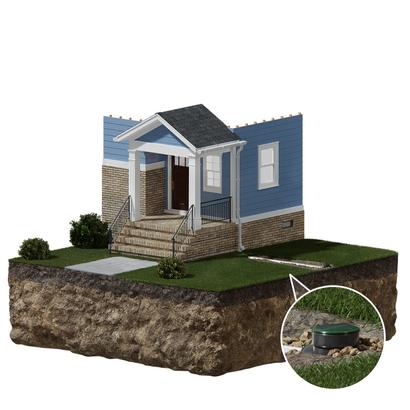
- Catch basins use drainage systems to drive water away from your home and down into a gravel-filled pit. These pits protect your home without compromising your outdoor aesthetic.
- Gutters and Downspouts
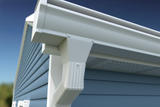
- You’ll want to keep your gutters and downspouts free of debris, or else you may find yourself dealing with unwanted pooling around your home. Consider investing in upgrades like underground downspouts.
Protect Your Home with Expert Help
Improving your home’s grading and drainage is crucial for preventing water damage, but it can’t replace the effectiveness of a comprehensive waterproofing system.
An interior drain, sump pump, and possibly a dehumidifier are essential to keeping your basement dry and your home protected.
For complete peace of mind, schedule a free inspection with Groundworks. Our experts will assess your needs and recommend the best solutions to ensure your home remains safe and dry.
FAQs
If your basement walls are wet, it can be a sign that there are deeper problems at play in your home. Cracks in your basement walls and foundation are the most likely source of wetness in your walls and floor, but these can be caused by a variety of issues. Hydrostatic pressure, faults in poured concrete walls, settlement, and abnormally heavy rainfall can all cause this kind of damage.
Not every wet spot in your basement is due to a leak. It could be condensation or a spill. However, if the wet spot reappears after cleaning, particularly after a rainstorm or snowmelt, it could be a leak. Also, look for other signs like a musty smell, discoloration, or mold growth around the wet spot.
Ignoring wet crawl space insulation is a mistake because wet insulation is useless and can cause more harm than good. Replacing wet insulation is crucial to preventing severe water damage, bad air quality, and harm to the wooden structure, and getting professional help ensures proper insulation.