AI-Powered
 Why Homes With Dirt Crawl Spaces Have Moisture Issues
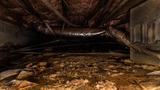
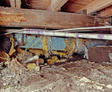
Many foundation repair experts, including Groundworks, spend a lot of time explaining to homeowners the potential problems of dirt crawl spaces. If your home has a crawl space, it may not be as healthy and safe as it should be.
Many people ask: “If dirt crawl spaces are so bad, why was my home built that way?” This page answers this very common question.
The Potential Dangers of a Dirt Crawl Space
The first thing to remember is that a dirt crawl space can cause many issues. Here are a few of the problem signs you might experience with a dirt crawl space:
Poor Insulation
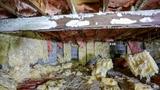
Crawl spaces always have insulation problems because dirt is a poor insulator. The outside weather heats or cools the dirt, transferring that temperature into your home and releasing warm or cool air — whichever you’re trying to avoid.
Additionally, because builders typically prioritize cost over efficacy, the walls of the crawl space often lack insulation. Whether it’s low-quality fiberglass insulation or no insulation at all, a dirt crawl space typically has inadequate insulation, which can lead to very high electricity bills and a less insulated crawl space.
Impacted Home Health
A dirt crawl space will negatively impact your home health; there’s no way around it. First off, a dirt crawl space will invariably allow air up from the ground. That’s the air that comes from outside your home, which is exactly what you’re trying to keep out. This air is warm and may have more pollutants than the air inside your home, making your air conditioner and any air purifiers work harder.
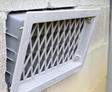
If you have a dirt crawl space, you probably also have crawl space vents. These vents will allow pests into your crawl space, even if you have small grates over the vents. The only way to make your home less attractive to pests and raise the health of your crawl space is to fix the problems you’re having with the crawl space.
Dirty Crawl Space Endeavors
If you need to get into your crawl space, how are you going to do it? For the most part, people have to crawl into the crawl space, as the name implies. However, when you have a dirt crawl space, this becomes much more difficult. The dirt in the crawl space is more likely to be a significant issue, with a crawl space repair expert coming out looking like a coal miner.
It’s also important to note that this dirt isn’t just going to impact anyone who enters the crawl space. It’s also going to impact the entire home. That’s because dirt will rise from the crawl space as air and moisture rise due to the stack effect, and any microscopic dirt particles will rise into the rest of the home. That makes your entire home full of dirt, pest droppings, and other microscopic particles.
Moisture and Condensation
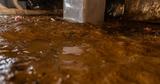
Lastly, it’s important to note that a dirt crawl space is at huge risk for moisture concerns. That includes problems like moisture, mold, and even wood rot. Moisture and condensation can both be incredibly harmful to a crawl space, but if you have a dirt crawl space, you’re guaranteeing that your crawl space will end up with extremely high levels of humidity, which can turn into condensation.
Why is this? At its most basic, it’s because there’s no way to dry out the dirt under your home fully. You can dry out the top layer of the dirt, but underneath the top layer, there will still be plenty of moisture hiding underneath. As long as moisture can come up through the dirt, you’re going to have humidity and eventually condensation problems in your crawl space.
Why Do Crawl Spaces Still Come Unencapsulated?
The main question is why some homes still have unencapsulated crawl spaces, even though encapsulation is best. Here are some reasons you may still find unencapsulated crawl spaces:
Less Up-Front Cost
Building crews often prioritize building costs over everything else. It’s much cheaper for them to leave the dirt crawl space as is rather than encapsulate it. The building crew doesn’t want to pay for the crawl space vapor barrier and a dehumidifier, if necessary. They just want to build the home and get on with it.
This is one of the reasons why some building crews may just leave you with a dirt crawl space. Unfortunately, they don’t really care about whether or not you have a healthy crawl space. They just want to manufacture the home at the lowest possible cost. Because encapsulating a crawl space is an additional fee, many building crews don’t do it.
Easier Initial Building Process
While encapsulation is not that difficult or time-consuming, it’s certainly more complex than just leaving the crawl space as-is. That means it’s much easier for the building crew to leave you with a dirt crawl space instead of allowing for encapsulation. After all, if the building is going to be just as up to code and salable with the dirt crawl space, why would they encapsulate it if they’re not going to be living there?
Some building crews know that dirt crawl spaces aren’t as healthy or as effective but still put them in. This may be because the crawl space isn’t a big deal to them. Although they’re aware that you’ll probably have to encapsulate the crawl space on your own, they typically think of it as not being their problem.
Outdated Building Recommendations
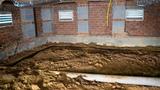
Unfortunately, there are still some building recommendations that allow for or even recommend dirt crawl spaces and vented crawl spaces. Some of these are even official building codes, with unvented crawl spaces either not allowed or very difficult to attain. In many of these building codes, an unvented crawl space requires much more work than a vented one.
That means some building crews, which are more likely to look at these building codes, can end up building homes that meet outdated building codes instead of the newest and most recent ones. Some building codes just haven’t caught up to the most recent recommendations from many building authorities, which means these recommendations can sometimes be a bit behind.
Sticking to Tradition
Lastly, some builders prefer to stick to tradition. It’s certainly much easier to build a home when you’ve built one just like it hundreds of times before. When you have to transition to a new home-building experience, it’s definitely different. Some building crews have opted not to move to the new methods of building homes, which negatively impacts your crawl space.
Of course, it might be better for the building crews, but it definitely isn’t as good for you. Building a home the same way over and over again is a great way to maintain a building crew’s skills, but sooner or later they should do their best to adjust to the most recent building concepts. Sticking to tradition just isn’t the best way to build a well-functioning home.
How Do I Keep Moisture Out of My Crawl Space?
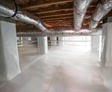
You may wonder whether you can turn your dirt crawl space into a healthier encapsulated crawl space. This is possible as long as you do it properly. Here are the vital steps you’ll need to follow to take your crawl space into a healthier place.
Closing Crawl Space Vents
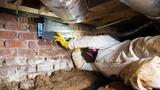
First off, if your crawl space has vents, you need to remedy that by concealing them. Unfortunately, crawl space vents are relatively common, but they’re also ineffective at fixing the problem they purportedly fix. The idea is that crawl space vents can air out the crawl space, reducing the amount of stale air and moisture that accumulates. When you start to look into this concept, however, it doesn’t really hold up.
Crawl space vents don’t do much to air out a crawl space. Rather, they perpetuate the problems they’re hoping to fix. With open crawl space vents, you end up with a lot of air flowing from the outside of your home inside. Because warm air can carry more humidity than cool air, the clash of air temperatures often raises the air’s humidity to higher than 100%, which causes condensation.
Adding a Crawl Space Vapor Barrier
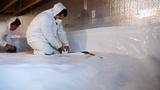
The next step is to add a crawl space vapor barrier. When you have a dirt crawl space, water vapor is invariably going to come up from the ground. You need some way to make sure the water vapor stays in the ground and doesn’t come up into the crawl space, where condensation can collect on floor joists and cause serious problems like mold and mildew. A crawl space vapor barrier is the best way to protect your home’s crawl space.
It’s important to ensure your crawl space vapor barrier is as thick and impermeable as possible. Otherwise, a thin vapor barrier tears and allows water vapor inside. With a crawl space vapor barrier that has at least a 20-mil thickness, you can ensure water vapor doesn’t enter your crawl space and also make it easier to enter the crawl space for any reason.
Dehumidifying the Encapsulated Crawl Space
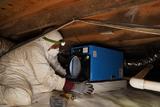
Lastly, you may need a dehumidifier in your crawl space. Not all crawl spaces need a dehumidifier, but some may need dehumidification, especially if you live in a humid area. Humidity in a crawl space doesn’t necessarily just come from the ground around the crawl space. It can also come from the general area in which you live.
It’s also important to know that you can’t just put a dehumidifier in a dirt crawl space and assume it’ll take care of the dirt problems. Humidity isn’t the only problem with a dirt crawl space. Plus, a dehumidifier is supposed to help with leftover humidity concerns, not consistent humidity problems. The best solution is to encapsulate the crawl space, and then remove additional humidity on top.
Groundworks Can Transform Your Dirt Crawl Space!

As you can hopefully see, a dirt crawl space is definitely not the right choice for your home. If anything, a dirt crawl space is the last thing you want, because it’s going to end up having a pretty serious impact not only on your crawl space but also on the rest of your home. If you currently have a dirt crawl space, don’t worry.
You can absolutely turn your dirt crawl space into a much more effective and healthy area in your home. You just need the help of an expert to do so, and you can count on Groundworks for the best solutions customized to meet your home’s needs. Contact us today to schedule a free inspection and estimate, and you’ll learn more about your options for turning your dirt crawl space into a healthier area.
Crawl Space FAQs
Yes, proper crawl space insulation can significantly reduce energy bills by preventing heat loss in the winter and heat gain in the summer.
Crawl space encapsulation is an optional house improvement; it is not necessary. Yet, it’s a crucial fix for clearing the crawl space of unwelcome moisture, pests, mold, and poor air. Also, it improves the health, security, and comfort of the home.
While DIY crawl space encapsulation may seem cost-effective initially, it can actually end up costing you more in the long run if not done properly. It’s best to leave it to professionals with the experience and knowledge to ensure a successful encapsulation.
Related Resources