

 AI-Powered
 How High Water Tables Cause Water Seepage (And How to Prevent It)
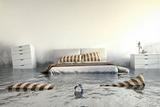
Living in an area with a high water table can present unique challenges for homeowners, especially when it comes to keeping basements and crawl spaces dry.
A high water table means that the groundwater is close to the surface, which increases the risk of water seepage into your home. If not addressed, this can lead to water coming in through the foundation, causing flooding, structural damage, and mold growth.
Let’s dive into how high water tables lead to flooding and what you can do to protect your home’s basement and crawl space.
How to Determine the Water Table on Your Property
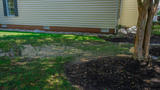
Before we discuss how a high water table causes water seepage, let’s first understand how to measure the water table at home.
To determine the water table level, you can use a tape measure to check the water level in a shallow well. If no well is available, tools like acoustic or electric probes may be used. However, for the most accurate and easiest assessment, it’s often best to consult a professional.
How Professionals Assess the Water Table
Professionals use advanced tools and methods to measure the water table with precision. Here are some techniques commonly employed:
- Observation Wells: Experts may install wells or piezometers that penetrate the ground to monitor groundwater levels directly. These provide precise measurements of the water table.
- Soil Moisture Sensors: These sensors are placed at various depths to measure the moisture content in the soil, offering insights into the location and movement of the water table.
- Geophysical Techniques: Tools like electrical resistivity and ground-penetrating radar (GPR) generate subsurface images, helping to locate the water table and identify other underground features.
- Hydraulic Testing: Methods such as pumping tests involve extracting water from a well to observe changes in the water table, providing information about groundwater behavior and aquifer characteristics.
By leveraging these advanced techniques, professionals can accurately determine water table levels and provide valuable insights for managing groundwater-related challenges.
The Connection Between High Water Tables and Water Seepage
When the water table is high, the soil around your home becomes saturated, putting pressure on your foundation. This static water pressure can force water through cracks, joints, or other weak spots in your foundation. Basements and crawl spaces are especially vulnerable due to their below-ground position. Over time, this constant exposure leads to problems like:
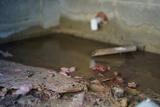
- Water Seeping Into Basements and Crawl Spaces: Persistent moisture entering through walls or floors, causing dampness or pooling.
- Foundation Leak: Cracks that develop from pressure and allow water to infiltrate your home.
- High Humidity Levels: Moisture buildup creates ideal conditions for mold, mildew, and musty odors in basements and crawl spaces.
- Structural Damage: Prolonged exposure to water weakens your foundation, and wooden crawl space supports.
Heavy rains or snowmelt can worsen these issues, overwhelming drainage systems and increasing the risk of flooding.
Tips to Stop Water Coming in Through the Foundation
Preventing flooding caused by a high water table requires proactive solutions. Here are some of the most effective methods:
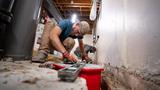
1. Consider Waterproofing Systems
Interior drainage systems work by channeling water coming in through the foundation into a sump pump, keeping your basement and crawl space dry even during heavy rains.
2. Encapsulate Your Crawl Space
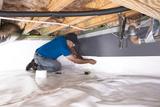
Adding a vapor barrier and sealing your crawl space can prevent moisture from seeping in and causing damage to wooden supports or insulation.
3. Improve Yard Drainage
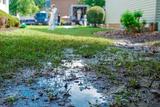
Ensure your yard slopes away from your home to direct water away from the foundation. Make sure gutters are clean and in good working order.
4. Regular Inspections
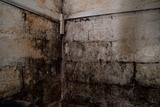
Monitor for signs of moisture, such as efflorescence, cracks, damp walls, or musty odors. Early detection and repair of a foundation leak can save you from costly damage down the road.
Groundworks Is the Best Choice If You Have A High Water Table
When it comes to protecting your home from the effects of a high water table, Groundworks is the trusted leader in basement and crawl space waterproofing.
With decades of experience, we’ve helped tens of thousands of homeowners address issues like water seepage, water seeping, and foundation leaks. Our solutions are tailored to your home’s unique needs.
Don’t let a high water table jeopardize your basement or crawl space—contact Groundworks today for a free inspection and keep your home safe and dry.
High Water Table FAQs
Yes, prolonged exposure to a high water table can weaken foundation walls, create cracks, and compromise structural integrity.
Yes, crawl spaces are also vulnerable to water seepage, leading to high humidity, mold growth, and wood rot.
Poor drainage causes water to pool around the foundation, compounding the effects of a high water table and increasing seepage risks.
