

 AI-Powered
 What Is a High Water Table?
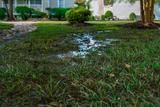
Imagine water seeping up from the ground, soaking the soil beneath your home, and putting immense pressure on your basement walls and floors. A high water table is an unseen danger that can leads to all of these issues and more.
At Groundworks, we’re familiar with hidden threat a high water table poses to your home. Understanding and managing a high water table is crucial for protecting your foundation and ensuring your home remains secure. Read on to learn more.
Defining a High Water Table
A water table, or groundwater table, is the level underground where the soil and rock are completely soaked with water. Imagine this section of ground as a sponge – it soaks up water and holds it there.
The level of water can go up and down based on things like rain, snowmelt, and how much water people take from nearby wells and water supplies. Understanding the water table is important because it can affect the safety and condition of your home.
How a High Water Table Develops
The water table can rise when it rains a lot or when snow melts quickly. When the ground absorbs more water than it can handle, the water table goes up. It can also rise if there’s a lot of water coming from higher places.
On the other hand, the water table can drop during dry periods or if a lot of water is taken from nearby wells. The shape of the land also matters; water tables are usually higher in valleys and lower under hills.
How a High Water Table Affects Your Home
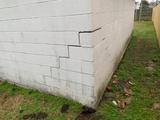
1. Structural Issues and Foundation Damage
A high water table can cause big problems for your home. When the water table rises, it pushes against your foundation.
This can lead to leaks, cracks, and even cause parts of your house to settle unevenly if the pressure gets too high. Over time, this can cause serious damage that is expensive to fix.
2. High Moisture and Humidity
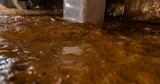
A high water table can also make your home more humid, which means there’s more moisture in the air. This can lead to mold growth, wood rot, and rust.
With a high water table below your home water may even seep through cracks in the foundation walls. If you have a crawl space, you might also see water pooling below your home.
Signs of a High Water Table
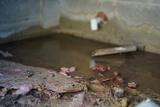
You should watch out for signs that the water table is high:
- Basement Flooding: If you and your neighbors have basement flooding at the same time, it probably means the water table is high in your area.
- Standing Water: If puddles don’t drain away after it rains, the ground might be too saturated because of a high water table.
- Damp Floors and Walls: Water stains or damp spots on your floors and walls mean there’s too much moisture. This might be because the water table is pushing up water from below.
- Septic System Problems: If your septic system backs up, it might be because a high water table is stopping the drain field from working properly.
Managing and Fixing High Water Table Issues
Yard Drainage Solutions
To keep water away from your home, good yard drainage is important. Installing systems that drain water from the surface and below the ground can help keep your foundation dry. French drains, dry wells, and making sure your yard slopes away from your house can help manage water.
Basement and Foundation Waterproofing
Waterproofing your basement and foundation can protect them from water damage. Sump pumps can remove water, and interior drainage systems can keep water out of your basement. Sealing cracks and using waterproof coatings also help.
Natural Drainage and Landscaping
Plants and lawns can help manage water runoff naturally. Plants absorb water through their roots, and their leaves slow down the flow of water. Combining this with other drainage solutions can reduce the impact of a high water table.
Swales and Other Engineering Solutions
Swales are shallow ditches that collect and channel water to a drain. Properly designed swales can keep water from pooling around your home and direct it safely away. Depending on how your yard slopes, swales can move water to the front or back of your property.
Protect Against a High Water Table With Groundworks
Understanding and managing a high water table is key to keeping your home safe. By knowing the signs, understanding the effects, and using the right solutions, you can protect your home from water damage.
Stay proactive and get professional advice to keep your home dry and safe. Schedule a free home inspection with Groundworks today!
High Water Table FAQs
Yes, high moisture levels from a high water table can force your HVAC system to work harder to maintain comfortable humidity levels, increasing energy usage and utility bills. Waterproofing and proper drainage can help reduce these costs.
Regularly inspect your home for signs of water damage and ensure proper drainage systems are in place. Waterproofing your basement and foundation can significantly reduce the risk of damage.
Long-term exposure to high humidity and mold growth can lead to respiratory issues and allergies. Ensuring proper ventilation and dehumidification can help mitigate these health risks.