Driveway repair in Duncanville, Texas is essential, especially with the wear and tear from rain and temperature changes. Cracks and settling in your driveway not only look unattractive but can also pose safety hazards like trip hazards. Our techniques, including PolyRenewal™ polyurethane injection, address these issues by efficiently leveling and sealing cracked concrete and ensuring longevity. Whether it's damage from tree roots or surface deterioration from weather, our solutions are designed to keep your driveway smooth and safe.
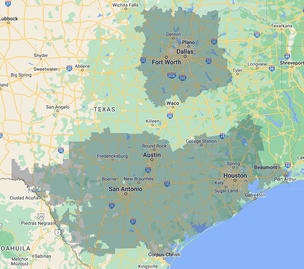
Groundworks has been repairing driveways for over 8 years, consistently providing quality service and customer satisfaction. Our certified inspectors offer free inspections to pinpoint the exact problem areas and recommend the best repair methods. With an A+ BBB rating, we take pride in our expertise and reliability in Concrete Lifting and Driveway Repair. Serving Duncanville and the surrounding areas, we are committed to restoring the safety and appearance of your driveway effectively.
Common Causes of your Driveway Problems in Duncanville
Soil Erosion
Over time, water or wind can erode the soil beneath your driveway, creating empty spaces that lead to sinking or cracking concrete.
Poor Soil Compaction
If the soil under your driveway wasn't compacted properly during installation, it can settle unevenly, causing cracks and dips to form.
Tree Root Growth
Roots from nearby trees may grow under your driveway, pushing against the concrete and causing cracks or lifting as they expand.
Freeze-Thaw Cycles
When water in the soil freezes and thaws repeatedly, it expands and contracts, putting stress on your driveway and leading to cracks or uneven surfaces.
Heavy Loads
Your driveway may crack or settle under the weight of heavy vehicles or equipment, especially if the concrete wasn't designed for such loads.
Drainage Issues
Poor drainage can allow water to pool and seep beneath your driveway, eroding the soil and damaging the concrete over time.
Moisture Changes
When saturated, clay soil expands, and when dry, it contracts. These constant changes in moisture levels weaken the support beneath the concrete.
Driveway Repair Solutions We Provide For You in Duncanville
The most affordable way to fix a driveway depends on the extent and type of damage. Minor cracks and surface-level damage can often be repaired with DIY patching kits or resurfacing products available at home improvement stores. For more extensive damage, using asphalt overlays or hiring professional repair services specializing in techniques like slab jacking might be cost-effective alternatives to complete replacement.
Foam lifting and slab jacking do not require extensive excavation or heavy machinery, making them relatively less invasive methods for raising and leveling sunken concrete. These techniques involve injecting either a foam or grout mixture beneath the concrete slab to lift it back into place.
Driveway sinking near the garage or front steps commonly occurs due to soil erosion, poor compaction, or water drainage issues beneath the concrete. Over time, water may wash away supporting soil or improper drainage can cause the soil to shift, creating voids that lead to sinking. Proper drainage improvements and professional assessments of subsoil conditions can help address the underlying causes.
Both asphalt and concrete have their advantages depending on specific needs and preferences. In Duncanville, asphalt driveways are generally regarded as more cost-effective and quicker to install. Concrete driveways, while more expensive initially, offer exceptional durability and require less maintenance over time compared to asphalt. Your choice should consider factors such as climate, budget, and desired aesthetics.
Pouring new concrete over an existing damaged driveway isn't recommended as it can lead to further issues. The underlying problems causing the damage, such as poor soil support or drainage concerns, could still affect the new layer. Instead, it's advisable to address these root causes and, if necessary, remove the old material before pouring new concrete to ensure long-lasting results.
How it works
Straightforward and simple process
Schedule an inspection
Upon arrival, our Inspector will introduce themselves and chat with you about the problems you're experiencing. Based on the information you provide them, they'll then create a plan of action to examine your home inside and out.
Receive a detailed repair plan and quote
Once the inspection is complete, the Inspector will sit with you and present their findings. And because we provide same-day estimates, you'll have all the cost and financing information you need to make a decision right away.
Get the work done when you're ready
When you're ready to move forward with repairs, we'll help you choose an installation date that works for your schedule, and notify our Installation team immediately of the upcoming work.


 AI-Powered