AI-Powered
 Pier and Beam vs Crawl Space Foundations: What’s the Difference?
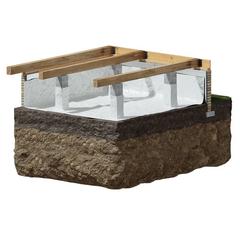
Crawl space foundations are common in many regions of the U.S., especially in areas with high moisture levels or expansive soils where basements may not be practical. One common variation is the pier and beam foundation.
Although the terms “pier and beam” and “crawl space” are often used interchangeably, they are not exactly the same. The main difference lies in how each foundation type is supported at the perimeter and underneath the home.
As a homeowner, understanding the structure, benefits, and potential risks of your foundation type is essential for long-term protection. This page outlines what you need to know.
What is a Pier and Beam Foundation?
A pier and beam foundation is characterized by its elevation above ground level, which creates a crawl space. This type of foundation features a continuous concrete or masonry beam that rests on or just below the ground surface and is supported by piers that penetrate the ground, supporting the perimeter of the house. Underneath the interior of the house, a system of free-standing crawl space piers, arranged in an organized pattern, helps distribute the weight of the home.
The space around these crawl space piers creates a crawl space area. Crawl spaces offer convenient access to plumbing and electrical fixtures. However, a pier and beam foundation is vulnerable to many of the same issues common to other crawl space foundations, including water and humidity issues, wood rot, and pest infestations. Regular inspection and maintenance of crawl space piers is important, especially in areas prone to extreme moisture changes.
Pier and Beam vs Crawl Space Foundations: Key Differences
Pier and beam foundations include a crawl space, but not all crawl spaces utilize a pier and beam support system. To distinguish a pier and beam vs crawl space foundation, consider these features:
Features of a Pier and Beam Foundation
Features of a Crawl Space Foundation
Pier and Beam vs Crawl Space Foundation: Which is Best?
Several factors determine whether a crawl space foundation vs pier and beam is the better choice for a home. Soil conditions vary throughout the U.S.. For example, in regions with an exceptionally high water table, the added lift provided by a pier and beam foundation is beneficial. However, if the soil is unstable, the piers may remain stable for only a short time.
The pros and cons of a pier and beam vs crawl space foundation may vary depending on factors such as climate, soil conditions, and construction quality. For example, while pier and beam foundations are generally considered easier to repair, the extent of repairs needed could make them more expensive in some cases.
Homeowners should contact their local foundation repair expert for a free inspection and customized plans tailored to their specific situation.
How to Maintain a Pier and Beam Foundation
Preventive maintenance is the best way to avoid severe damage to your foundation and costly repairs. Whether you have a pier and beam or a crawl space foundation, here are some tips to keep your home safe and stable:
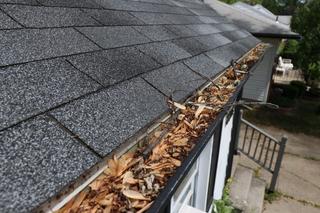
A proactive approach is the best defense against foundation damage.
What Are the Signs of Foundation Damage?
Several warning signs may indicate issues with your crawl space foundation. Common problem signs include:
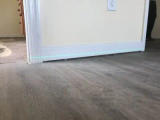
If you suspect problems with your foundation or its drainage systems, contact a foundation repair expert.
Contact Groundworks for Expert Foundation Care
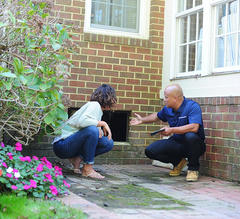
Pier and beam foundations offer critical support and are a cost-effective way to keep homes safe and stable. Their raised design allows easier access to plumbing, wiring, and repairs, making them a practical choice in many regions.
Contact Groundworks for a free inspection and expert guidance on maintenance and repair solutions tailored to your foundation type.
Crawl Space Foundation FAQs
Proper sealing and insulation reduce energy loss, keeping your home’s temperature stable and lowering heating and cooling costs.
Yes, crawl spaces are also vulnerable to water seepage, leading to high humidity, mold growth, and wood rot.
Professionals have the expertise to identify and address issues early, provide lasting repairs, and offer solutions like dehumidifier installation or drainage improvements.