AI-Powered
 Crawl Space Encapsulation: A Smart Investment in Energy Savings
Many families seek ways to save money by improving energy efficiency around their homes, from unplugging unused appliances to closing windows and doors. However, if your energy bills rise without an apparent reason, crawl space inefficiencies might be to blame. Unsealed, leaky crawl spaces can lead to higher energy costs, poor indoor air quality, and structural damage.
This page explains why crawl space encapsulation is a smart investment for energy savings and overall home improvement.
What is Crawl Space Encapsulation?
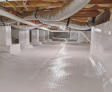
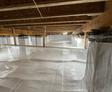
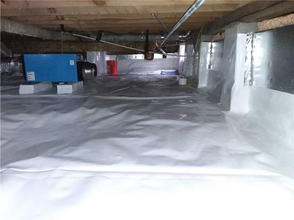
Encapsulation involves installing waterproofing components in the crawl space area beneath your home. These components keep the area dry and prevent crawl space moisture and condensation, mold growth and wood rot, and structural damage. Crawl space encapsulation creates a healthier home, protecting it from the ground up.
Does Encapsulating a Crawl Space Save Energy?
Yes, encapsulating your crawl space is a wise investment in energy savings because it prevents outside elements from entering the area. Unencapsulated crawl spaces let hot, humid summer air and cold winter temperatures infiltrate, straining your HVAC system and increasing energy bills. Crawl space encapsulation saves energy and enhances overall performance by creating a healthier home environment.
Energy Efficiency Benefits
Encapsulated crawl spaces enhance energy efficiency and provide other benefits, including:
- Reduced heating and cooling costs
- Moisture prevention
- Prevention of mold growth
- Improved indoor air quality
- Pest and rodent deterrence
- Reduced risk of respiratory and asthma issues
Crawl spaces with proper encapsulation components, like vapor barriers, drainage systems, dehumidifiers, insulation, and other components, create a safer, healthier home environment.
Crawl Space Encapsulation: DIY vs. Professional Methods
Professional encapsulation techniques are superior to DIY methods because they ensure complete waterproofing with warrantied, long-term solutions. DIY methods typically provide temporary results, addressing surface concerns rather than the underlying cause of the problem. Crawl space professionals, like Groundworks, provide free inspections and tailored repair plans suited to your specific needs and budget. Contacting experts secures a healthier home and is a positive investment in energy savings.
Effective Crawl Space Encapsulation Techniques
Encapsulation involves several techniques that, when combined, create a comprehensive solution. These methods include:
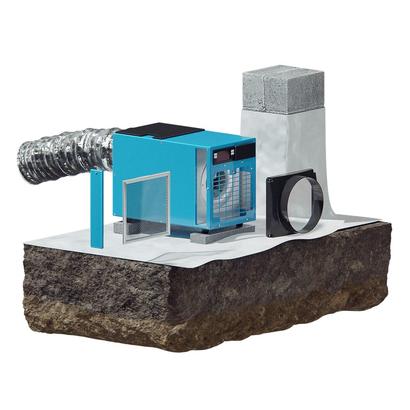
- Vapor Barriers: Robust, 20-mil thick liners cover crawl space floors, protecting against ground water seepage.
- Sump Pump Installation: This pumps excess water away from the crawl space foundation and toward the interior drainage system for removal.
- Interior Drainage Systems: These systems are installed along the crawl space perimeter, and they remove water by draining it away from the crawl space foundation.
- Thermal Insulation: These thermal panels insulate the crawl space, reducing heat escape in winter and cool temperature loss in summer. This reduces HVAC overload and is a wise investment in energy savings.
- Dehumidifiers: Crawl space dehumidifiers regulate air humidity and maintain a dry environment, preventing mold and mildew.
Encapsulating your crawl space is a smart investment because it promotes a healthier home, enhances energy savings, and can improve property value.
How Much Does Encapsulation Cost?
Crawl space encapsulation costs vary and depend on the area’s size, severity of damage, installed components, regional costs, and other factors. We recommend contacting your local Groundworks professional for a free inspection. Our experts thoroughly evaluate the area and determine the most cost-effective solution for your home and budget.
Is Crawl Space Encapsulation Tax Deductible?

Crawl space encapsulation is not tax-deductible. However, certain encapsulation components like insulation and air-sealing materials may qualify for the federal Energy Efficient Home Improvement Credit. This credit allows a percentage of the eligible energy-efficient cost improvements to be deducted up to a set annual limit. The encapsulation materials must meet the International Energy Conservation Code (IECC) criteria, and labor costs are typically not included.
Of course, tax laws and eligibility requirements change, so we recommend contacting a tax professional for the most current regulations when asking, “Is crawl space encapsulation tax deductible?”
Crawl Space Encapsulation: An Investment in Energy Savings
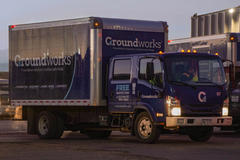
When it comes to a healthier home, Groundworks has you covered. Our professional encapsulation techniques ensure a dry, structurally secure foundation, proving a wise investment in energy savings.
Contact us today to schedule a free inspection, receive straightforward repair recommendations, and improve the energy efficiency of your home.
Crawl Space Encapsulation FAQs
Encapsulating a crawl space helps to insulate the property, prevent frozen pipes, and improve overall energy efficiency.
When properly installed and maintained, crawl space encapsulation can last 15 to 20 years or more. The vapor barrier, a key component of encapsulation, typically has a lifespan of 20 to 25 years. However, longevity can vary based on factors such as installation quality, climate conditions, and regular maintenance. With proper care, some encapsulation systems can even last the lifetime of the home.
While DIY crawl space encapsulation may seem cost-effective initially, it can actually end up costing you more in the long run if not done properly. It’s best to leave it to professionals with the experience and knowledge to ensure a successful encapsulation.
Related Resources