AI-Powered
 10 Common Places Where a Basement Leaks
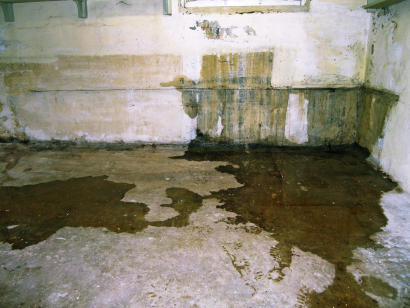
Water leaks around pipes and basement walls can happen for many reasons. When you notice moisture issues or water damage, promptly addressing the root cause is crucial. On this page, we list the ten most common places where basement leaks occur so you can address those persistent drips and restore a dry and healthy home.
Why is it Important to Repair a Basement Water Leak?
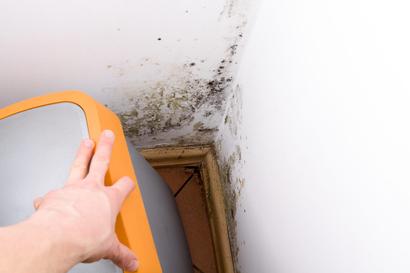
Interior basement water leaks can wreak havoc on your home, triggering health concerns with mold growth, compromising structural integrity with foundation cracks, and reducing property value as the damage progresses. Seepage from basement walls, water leaks around pipes, and poor drainage issues must be identified and rectified promptly. This is vital for maintaining a safe and structurally sound environment.
Where to Find Basement Leaks
Locating basement leaks can be challenging; however, the symptoms are often unmistakable. Signs of water damage include water stains, condensation, efflorescence, mold, humidity, musty basement odors, and wet basement walls.
Here’s our top ten list of where to find those pesky basement leaks:
1. Poorly Sealed Basement Windows
Insufficient window seals, deteriorated caulk, and faulty flashing allow rain and wind-driven moisture to infiltrate the building. This infiltration can lead to water stains and mold growth on window frames and surrounding basement walls. In severe cases, basement leaks contribute to structural damage.
Proper sealing and professional basement waterproofing provide substantial protection against moisture infiltration. Routine inspections also protect against basement leaks.
2. Foundation Cracks
Foundation cracks are common entry points for basement water leaks, causing a significant threat to your home’s structural integrity. Water intrusion through these fissures weakens concrete and can cause foundation movement, basement wall cracks, and uneven floors. This impacts the stability and load-bearing capacity of the home, requiring costly repairs and posing potential safety hazards when neglected.
Addressing foundation cracks is crucial to prevent further damage and maintain your home’s structural integrity. Professional inspection and repair are essential to ensure long-term safety.
3. Floor Cracks
Cracks in the basement floor can be entry points for water, especially during periods of heavy rain or flooding. If left unaddressed, this moisture can lead to water stains, mold growth, concrete deterioration, and structural concerns.
Proactive measures like routine inspections, proper basement drainage, and waterproofing systems can minimize the risk of water intrusion through these floor cracks.
4. Clogged Window Wells
Clogged basement window wells collect water and add pressure on the foundation, forcing water into your basement through basement wall cracks or weak areas around the frame. Installing window well drains guides excess rainwater away from your home’s foundation, which helps prevent basement flooding. This is especially problematic after heavy rain or snowmelt. Inspecting and repairing these cracks prevents future leaks and helps keep your basement dry and healthy.
5. Cove Joint
The cove joint is the junction where the foundation wall meets the basement floor. It is a highly vulnerable area where gaps or pressure from saturated soil allow basement water seepage. This leads to water stains, mold growth, and potential foundation damage.
Cove joint inspections for gaps or signs of moisture are crucial. Professional basement waterproofing methods can seal the joint and prevent water intrusion. Addressing drainage issues around the foundation may also be necessary to mitigate cove joint pressure.
6. Water Leaks Around Pipes
Basement water leaks around pipes are common, particularly at connection points or due to corrosion or frozen pipe breakage. This leakage can cause water stains, damage the surrounding materials, and promote mold growth. Significant water leaks around pipes compromise the plumbing system and lead to costly repairs.
Professional basement waterproofing reduces the risk of water leaks around pipes and minimizes moisture damage.
7. Clogged or Damaged Gutters
Clogged or damaged gutters can overflow or leak, directing water toward the foundation rather than away from it. This increases the risk of water infiltration through foundation cracks, basement windows, and other vulnerable areas. Overflowing gutters can also erode soil around the foundation, compromising its stability.
Groudnworks’ BasementGutter™ Interior Drainage System ensures proper drainage by channeling water away from walls or seeping joints to your sump pump for expulsion. Maintaining holistic basement waterproofing measures minimizes the risk of basement leaks.
8. Wall Leaks Above Ground Level
Although uncommon, moisture infiltration through walls above ground level can cause concern. Exterior surface cracks, faulty siding, or improperly installed flashing can create pathways for water entry. Water leaks can enter the basement through a ceiling leak, seeping through the walls and floors, and eventually reaching the exterior of the foundation. This can lead to water stains, mold growth within the wall cavity, basement wall damage, and potential structural damage if left unaddressed.
Routinely inspecting exterior walls for cracks, missing or damaged siding, and improper flashing is crucial. Professional repairs ensure a watertight seal and help prevent water damage. Maintaining proper drainage and landscaping practices can also reduce the risk of water migration towards above-ground walls.
9. Sump Pump Pit
Water leaks around pipes that lead to or within the sump pump pit can cause water accumulation beyond the pump’s capacity. This can result in overflow into the basement, leading to water stains, mold growth, and potential damage to the basement wall, textiles, and appliances. Malfunctioning pumps also fail to remove water from the pit effectively, further worsening these issues.
Routine sump pump pit inspections are essential to check for leaks, debris buildup, and proper pump functionality. Repair, maintenance, and professional sump pump replacement help prevent basement flooding.
10. Tie Rod Holes
Tie rod holes are small openings where rods pass through underneath the foundation to support the home’s structure. If these holes are not sealed properly, they can become avenues for foundation water leakage. Moisture infiltration through these gaps can lead to water stains on the interior basement wall, potential foundation damage, and tie rods, compromising their structural integrity.
A thorough inspection of tie rod holes for proper sealing and signs of moisture infiltration is imperative. Professional waterproofing measures ensure the water-tightness of these openings and prevent damage. Monitor foundation and tie rods routinely for cracks or structural concerns to avoid water infiltration.
Schedule a Free Inspection with Groundworks Today!
Basement water leaks threaten your home’s structural integrity, health, and value, regardless of where they begin. Understanding where to locate these leaks allows you to proactively transform your damp basement into a dry, healthy space.
Groundworks tackles basement moisture holistically with basement waterproofing solutions that target the underlying issues of leaks. Contact us today to schedule a free inspection and learn more about our advanced basement waterproofing techniques.
Basement Leak FAQs
Even a small puddle can lead to mold or rot if left alone. If it’s more than a spill, it’s time to act.
After heavy snowfall, the ground around your home often freezes. When the snow and ice start to melt—especially during a warm spell or rainstorm—the frozen ground can’t absorb the water. With nowhere to go, the melting water flows along the surface and often finds its way into your basement through cracks, leaking window wells, or poorly sealed walls.
Basement floor cracks may allow water seepage and lead to mold growth and other damage. Implementing waterproofing basement floor measures alongside crack repairs can help mitigate this risk.
Related Resources