

 AI-Powered
 Repairing and Encapsulating a Crawl Space in a Cincinnati, OH, Home
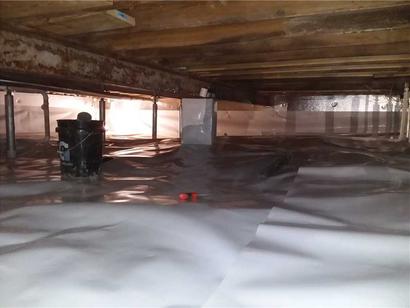
In a 1980s home in Cincinnati, OH, persistent crawl space moisture was leading to insulation failure, high humidity, and structural concerns. Uneven floors and damp conditions left the homeowners feeling frustrated and concerned about long-term damage.
Ohio Basement Authority stepped in with a full encapsulation and stabilization solution. Over eight days, the team removed damaged materials, installed advanced insulation and waterproofing systems, and reinforced the structure with IntelliJack™ supports. The result: a dry, stable crawl space and a home protected from future moisture issues.
The Challenge
- High humidity and failing insulation in the crawl space
- Uneven floors and signs of structural weakening
- Need for a long-term moisture and stability solution
The Solution
- CrawlSeal™ 20-mil vapor barrier and drainage matting
- ExTremeBloc™ wall insulation and spray foam for rim joists
- IntelliJack™ stabilizers and supplemental beam installation
- Sump pump with FreezeGuard™ and dehumidifier system
The Impact
- Fully encapsulated, dry crawl space
- Improved structural stability and air quality
- Long-term protection from water intrusion and humidity
Before Crawl Space Encapsulation:
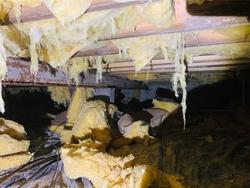
Moisture, Mess, and Structural Stress
The homeowners had dealt with moisture-related issues in their crawl space for years. During the inspection, the Ohio Basement Authority team found water-damaged insulation hanging from joists, significant debris buildup, and high humidity levels throughout the space. These conditions were contributing to sagging floors above and increasing the risk of long-term structural and air quality problems. A solution was needed quickly to prevent the situation from worsening.
After Crawl Space Encapsulation:
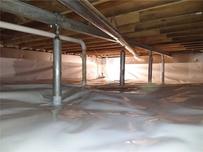
Insulation and Structural Reinforcement
The crew began by removing all debris and deteriorated insulation, creating a clean slate for repair. They installed ExTremeBloc™ wall insulation panels for superior thermal and moisture protection, and sealed rim joists with spray foam to reduce air leakage. To reinforce the home’s structure, the team installed IntelliJack™ stabilizers and supplemental support beams—repairing floor joists where necessary.
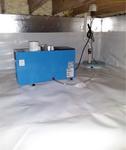
Encapsulation and Moisture Control
Next, a full waterproofing system was installed, including perimeter drainage and a sump pump outfitted with FreezeGuard™ attachments to protect against winter backups. The team then encapsulated the crawl space using CrawlSeal™, a heavy-duty 20-mil vapor barrier laid over drainage matting to improve both drainage and barrier durability. Vent covers sealed exterior openings, and a commercial-grade dehumidifier was added to regulate humidity and prevent mold growth.
Other Reviews for Our Crawl Space Encapsulation Near You
- 5/
- 5/
- 5/
- 5/
- 5/

Sebastion was great! He came out to our house, looked at our basement, listened to our issue and communicated the solution effectively. He…
Sebastion was great! He came out to our house, looked at our basement, listened to our issue and communicated the solution effectively. He was clear and upfront with the cost and the job timeline.
- 5/
- 5/
- 5/
- 5/
- 5/
Jacob Krulcik was very professional and very helpful. Knowledgeable and described everything very well. Very satisfied
Jacob Krulcik was very professional and very helpful. Knowledgeable and described everything very well. Very satisfied
- 5/
- 5/
- 5/
- 5/
- 5/
Dan came out to inspect my home for some moisture along the basement walls. Thankfully, the solutions were identified and should solve the …
Dan came out to inspect my home for some moisture along the basement walls. Thankfully, the solutions were identified and should solve the problems. Dan explained a lot to me about how lifting and stabilizing my concrete porch would help to stop water making its way to the foundation. He was also very helpful in explaining many things about home building I never knew. I felt a bit more empowered and at ease learning about how my basement drainage is set up. I have yet to have the work done on the front sidewalk and porch but look forward to the fix.
- 5/
- 5/
- 5/
- 5/
- 5/
Hollis was the best. He took the time to explain everything and answered all of my questions. I would highly recommend this company and…
Hollis was the best. He took the time to explain everything and answered all of my questions. I would highly recommend this company and Hollis to anyone looking to get their concrete lifted.
- 5/
- 5/
- 5/
- 5/
- 5/
They were great. William, Russell and Levi. Thank yoy
They were great. William, Russell and Levi. Thank yoy
Need Crawl Space Encapsulation for Your Home?
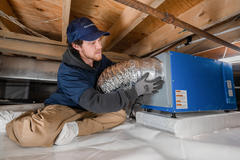
If you’re dealing with moisture, musty odors, or sagging floors, crawl space encapsulation could be the solution you need. For these Cincinnati homeowners, Ohio Basement Authority transformed a damp, unstable crawl space into a clean, dry, and structurally sound area in just eight days.
With insulation upgrades, moisture control systems, and durable support beams in place, their home is now healthier, more energy-efficient, and protected for the long haul. Whether you’re experiencing similar issues or just want peace of mind, our experts can help you restore confidence in your home—starting from the ground up. Contact us today!
Related Resources
Crawl Space Encapsulation FAQs
Yes, a vapor barrier is necessary in a crawl space to prevent moisture from seeping through the soil and creating dampness, mold, and structural issues. A properly installed crawl space vapor barrier helps maintain healthy air quality in your home and protects your foundation from moisture-related damage.
Encapsulation seals the space from external elements, reducing the need for frequent repairs and keeping the crawl space dry and clean.
Yes, proper crawl space insulation can significantly reduce energy bills by preventing heat loss in the winter and heat gain in the summer.