AI-Powered
 Mold in the Crawl Space: Is My Health at Risk?
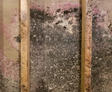
If you’ve noticed a musty smell coming from beneath your home, or if your family has been experiencing unexplained allergy symptoms, the source may be hiding in your crawl space. Mold in this often-overlooked area can go undetected for years, quietly impacting the health and safety of your home.
In this article, we’ll explore how crawl space mold develops, what signs to watch for, how it can affect your family’s health, and what long-term solutions Groundworks offers to stop mold growth at its source.
Health Risks of Crawl Space Mold
Mold exposure can cause a wide range of health problems, especially for children, seniors, and those with respiratory conditions. Even if the mold stays confined to the crawl space, its spores can easily travel into your home’s air through HVAC systems and floor gaps.
Common health effects of crawl space mold exposure include:
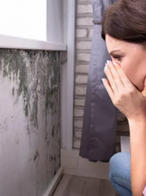
- Allergic reactions: Sneezing, coughing, runny nose, red eyes, and skin irritation.
- Respiratory problems: Wheezing, shortness of breath, and worsening asthma symptoms.
- Chronic sinus infections: Ongoing exposure can lead to sinus pressure, congestion, and post-nasal drip.
- Fatigue and headaches: Mold toxins can cause neurological symptoms in some people.
- Increased risk of infections: Mold exposure can weaken immune responses, especially in immunocompromised individuals.
Even if symptoms are mild or occasional, prolonged exposure can take a toll on long-term health. That’s why early detection and professional remediation are essential.
Why Mold Grows in Crawl Spaces
Crawl spaces create the perfect environment for mold: dark, damp, and rarely disturbed. Mold spores are always present in the air, but they only begin growing when they land on a surface with enough moisture and organic material to feed on, such as framing, floor joists, insulation, or even cardboard boxes. Common moisture sources that encourage mold growth include high indoor humidity, standing water or condensation, and crawl spaces with unsealed vents or open doors.
Signs and Symptoms of Crawl Space Mold
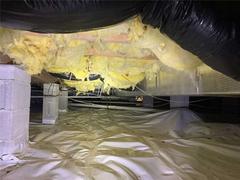
One of the biggest challenges with crawl space mold is that it often remains hidden until the symptoms become noticeable. Because homeowners don’t typically enter their crawl spaces often, mold can thrive undisturbed.
The best defense is getting proactive. Here are some common signs that may indicate mold growth below your home:
Musty Odors
A persistent musty or earthy smell inside your home, especially near floors, HVAC vents, or baseboards, is one of the most reliable early signs of mold in the crawl space.

Increased Respiratory Symptoms
Mold spores can cause or worsen respiratory issues. If you or your family members experience sneezing, coughing, itchy eyes, sinus congestion, or asthma flare-ups more frequently at home, mold could be to blame.
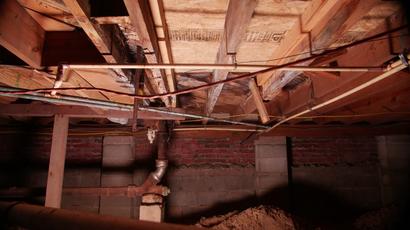
Warped Floors or Wood Rot
As mold breaks down organic materials, it can weaken wooden floor joists and subflooring. Over time, this can lead to sagging floors, creaking, and even structural damage to your foundation.
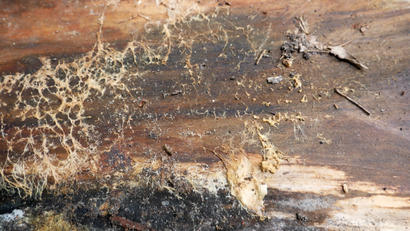
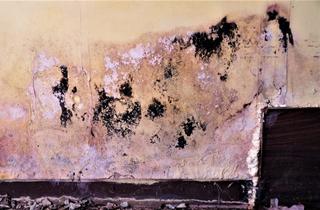
Visible Mold or Mildew
If you inspect your crawl space and notice black, green, or white spots on insulation, wood, or ductwork, that’s mold. These toxic spores can circulate in the air throughout your home, triggering respiratory symptoms.
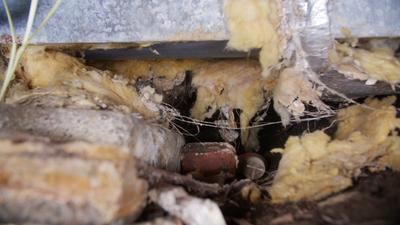
Pest Problems
Termites, rodents, and other pests are attracted to moist environments, and they can worsen mold issues by damaging insulation and wood. Pest droppings can also trigger symptoms of illness.
How to Address Crawl Space Mold
If you suspect a moisture problem in your crawl space, it’s critical to act quickly before it affects your family’s health. Here are some professional solutions to treat a wet crawl space:
Crawl Space Encapsulation
Crawl space encapsulation is the most effective way to stop moisture and mold growth for good. This system includes a durable, reinforced vapor barrier to block moisture from the ground. This transforms your crawl space into a clean, dry environment where mold can’t survive.
Drainage and Waterproofing
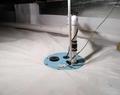
Keeping the crawl space dry is key to long-term mold prevention. If you’re dealing with standing water or flooding issues, an interior drainage system combined with a powerful crawl space sump pump is the most effective way to move water out and away from your home.
Crawl Space Dehumidifiers
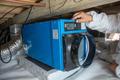
Even after sealing your crawl space, indoor humidity will still rise without proper airflow. An energy-efficient dehumidifier designed specifically for crawl space environments is a convenient way to maintain optimal humidity levels and prevent mold from returning.
Go With the Experts for Crawl Space Mold Prevention
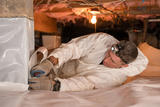
Crawl space mold isn’t just gross, it’s a serious health and safety concern. The musty odors, allergy symptoms, and structural issues it causes are all signs your home may be at risk. Thankfully, you don’t have to tackle this issue alone.
Groundworks has the expertise, tools, and trusted solutions to eliminate mold and prevent it from coming back. We can help you reclaim your air quality and restore confidence in your home. Contact us today to schedule a free in-home inspection.
Related Resources