

 AI-Powered
 Case Study: Installing Crawl Space Encapsulation in a Lucedale, MS, Home
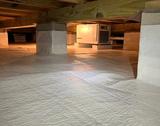
A homeowner in Lucedale, MS, noticed excessive crawl space humidity, mold growth, and poor indoor air quality. These conditions compromised their home’s structural integrity and posed potential health risks to their family.
The homeowner contacted AFS Repair in Mobile, AL, for an inspection to find a solution that met their needs and budget. Here’s how AFS helped.
The Challenge
- High humidity levels and mold growth
- Poor indoor air quality
- Structural compromise
The Solution
- Replaced crawl space door
- Applied a vapor barrier and thermal insulation
- Installed a dehumidifier and condensate pump
The Impact
- Sealed and dry crawl space area
- Improved indoor air quality
- Structural protection against mold and rot
Before Crawl Space Encapsulation:
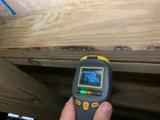
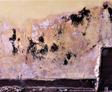
Crawl Space Humidity and Mold
The homeowner noticed musty odors, excess moisture, and humidity in the crawl space. Over time, this led to visible mold growth, poor indoor air quality, and concerns about potential health risks and structural damage.
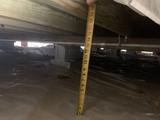
Structural Concerns
During inspection, AFS confirmed elevated humidity and mold due to poor ventilation and moisture intrusion. The space lacked proper sealing, allowing humid air and pests to enter. Over time, excessive moisture can lead to wood rot and structural compromise.
After Crawl Space Encapsulation:
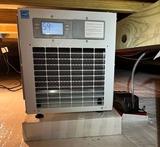
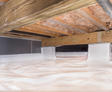
Sealed and Dry Crawl Space Area
The team removed debris, sealed the space with a CrawlSeal™ vapor barrier, added thermal insulation to regulate temperature, and installed an AquaStop™ dehumidifier and condensate pump to manage humidity. A new crawl space door was also installed for a complete seal.
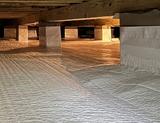
Improved Indoor Air Quality
With encapsulation complete, the crawl space is now dry and energy-efficient. The homeowner can now enjoy a healthier, more comfortable home, free from worries about mold spores and musty odors.
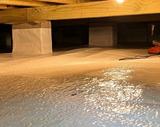
Structural Protection
The encapsulation system helps protect the home’s framing, subfloor, and support structures from future wood rot and mold damage. This preventive approach ensures long-term structural stability and reduces the risk of future costly repairs.
Reviews for Our Crawl Space Encapsulation Near You
- 5/
- 5/
- 5/
- 5/
- 5/

Excellent service and inspection overview
Excellent service and inspection overview
- 4/
- 4/
- 4/
- 4/
- 4/
Matt Carter’s inspection was detailed after an inconvenient reschedule.
Matt Carter’s inspection was detailed after an inconvenient reschedule.
- 5/
- 5/
- 5/
- 5/
- 5/
Parris and Kyle did a great job on a tough project. Both were very professional and masters of their craft. Shout out to Jordan as well….
Parris and Kyle did a great job on a tough project. Both were very professional and masters of their craft. Shout out to Jordan as well. Great job AFS definitely recommend
- 5/
- 5/
- 5/
- 5/
- 5/
We had Jesse from AFS come out to look at our basement and offer solutions to appropriately waterproof our basement. It was definitely a…
We had Jesse from AFS come out to look at our basement and offer solutions to appropriately waterproof our basement. It was definitely a great education on what could and should be done. We’re currently in the process of educating ourselves about solutions. Looking forward to working with you all in the future.
- 5/
- 5/
- 5/
- 5/
- 5/
GREAT WORK! We neeeeeeded this
GREAT WORK! We neeeeeeded this
Need Crawl Space Encapsulation for Your Home?

Persistent crawl space moisture often leads to mold, structural issues, and high energy bills. This Lucedale, MS, case shows how a full encapsulation system can resolve these issues.
Contact AFS for a free inspection in Mississippi, Alabama, and the surrounding areas, and discover how our customized solutions can safeguard your home.
Related Resources

Crawl Space Encapsulation FAQs
Encapsulation seals the space from external elements, reducing the need for frequent repairs and keeping the crawl space dry and clean.
Encapsulating a crawl space involves sealing the walls and floor with a durable vapor barrier, which helps to control moisture and stabilize temperature. Encapsulation also includes insulating the walls and potentially adding a dehumidifier to maintain optimal conditions. Encapsulation reduces the chances of pipes freezing by preventing cold air from entering the crawl space, as it keeps the temperature within the space more consistent and above freezing even during cold spells.
When properly installed and maintained, crawl space encapsulation can last 15 to 20 years or more. The vapor barrier, a key component of encapsulation, typically has a lifespan of 20 to 25 years. However, longevity can vary based on factors such as installation quality, climate conditions, and regular maintenance. With proper care, some encapsulation systems can even last the lifetime of the home.