AI-Powered
 Can You Run Plumbing Above a Slab Foundation?
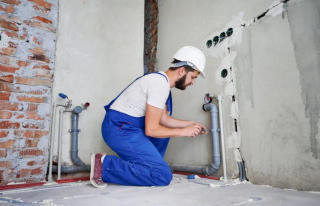
If you live in a home with a slab foundation, you might wonder how plumbing fits into the picture. Do pipes have to go under the concrete? Or can they be installed above it? The short answer is yes, you can run plumbing above a slab foundation.
In fact, it’s often a smart choice during renovations or additions. However, it’s not always that simple. Here’s everything you need to know.
What Kind of Plumbing Do Most Slab-On-Grade Homes Have?
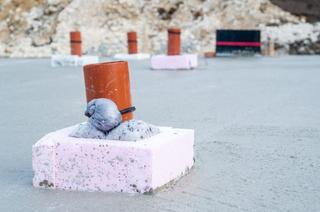
In most slab-on-grade homes, plumbing is installed under the slab. This is the standard approach in construction because it’s easier to place pipes before the concrete is poured. The layout is planned in advance, and everything is set in place before the home is built up around it.
While sub-slab plumbing works well for many years, it does come with risks. Leaks can go unnoticed and cause underground damage. If repairs are needed, accessing those pipes often means breaking through the concrete. This is a noisy, costly, and invasive process. That’s why some homeowners consider switching to above-slab options during remodels or when building a new home.
Why Choose Above-Slab Plumbing?
Running plumbing above the slab is common in remodels or retrofits. Instead of cutting into the concrete, pipes are installed through walls, ceilings, or boxed-in enclosures called chases. This method keeps the concrete intact and avoids the cost and mess of demolition if issues come up in the future.
1. Less Disruption
With above ground plumbing, you avoid the loud noise and dust that comes with repairing pipes below the concrete. You also avoid the risk of damaging the slab during demolition, which could lead to foundation problems or costly repairs down the line.
2. Easier Access
Need to inspect or repair a pipe later? Above-slab plumbing is more accessible than lines buried in concrete. Whether it’s a minor leak or a full pipe replacement, accessing plumbing through a wall or ceiling is far easier—and cheaper—than breaking up a slab.
3. Flexible Upgrades
Adding a bathroom, laundry room, or new kitchen layout? Running pipes through walls or ceilings gives you more design freedom. It’s especially useful in older homes where slab penetrations were never planned for modern layouts.
4. Safer for Foundations
Slab foundations are strong but not invincible. Cutting into them weakens the structure and increases the chance of future cracks or shifting. Above-slab plumbing protects the integrity of the foundation.
Downsides of Above-Slab Plumbing
While above-slab plumbing can be a more convenient option for homes, it does have its own challenges. From how it looks to how it functions, there are a few practical considerations to keep in mind.
1. Visual Impact
You may need soffits or chases to cover pipes, which can change the look of a room. A soffit is a boxed-out section, usually along the ceiling, used to hide plumbing or ductwork. A chase is a vertical or horizontal framed enclosure along an interior wall that also hides pipes. Both are typically made of drywall and painted to match the rest of the room. These enclosures are usually drywall-framed and painted to blend in, but they do take up space.
2. Layout Limits
Drain lines must slope downward to work properly. That might mean raising a portion of the floor or carefully planning where fixtures go. This can be a challenge in tight spaces or when matching floor levels across rooms.
3. Water Noise
Pipes in walls or ceilings may carry water noise unless properly insulated. This isn’t a deal-breaker, but it’s something to plan for in bedrooms or quiet areas.
4. Cold Weather Risks
Pipes above the slab are more exposed, so insulation is important in colder regions to prevent freezing. A well-insulated chase or heated interior space can solve this.
When Is Under-Slab Better?
Putting plumbing under the slab still makes sense in some situations:
- Clean look: If you want flat ceilings and floors without visible chases.
- Quieter operation: Buried pipes don’t carry sound like above-slab lines can.
- More Space: You keep ceiling heights and floor levels as originally designed, without needing to adjust for pipe clearance.
But remember, under-slab plumbing can be tough to repair later. Leaks often require breaking up concrete floors, which is expensive and disruptive. You also run the risk of undetected water damage if pipes fail underneath the slab.
Local Considerations to Keep in Mind
Above-slab plumbing (if it’s an option) works well in warmer regions like Florida, Texas, and the Southwest, where freezing pipes are less of a concern. In colder climates—such as the Midwest or Northeast—installers must take extra care to insulate above-slab pipes to prevent freezing. Local building codes also vary, so it’s smart to check with your municipality or a licensed plumber in your area.
In flood-prone regions, routing plumbing above the slab can help prevent damage and make future repairs easier. Homes built on high water tables often benefit from above-slab systems that stay dry and accessible.
Make Sure Your Foundation and Plumbing Are in Sync

If you’re remodeling or adding plumbing to an existing slab home, above-slab plumbing is often the smarter, more cost-effective route. But if you’re building new or planning a big remodel, installing plumbing above a slab foundation might be a good idea.
Every home is different, so talk with a trusted local expert before making a decision. A professional plumber or foundation specialist can walk you through your options and help you find the best solution for your home.
Plus, if you’re concerned that plumbing under your slab foundation might be causing issues a professional inspection can help. Groundworks specializes in catching these signs early and offering the right solution to protect your home’s structure. Get a free estimate from us today!
Plumbing Above a Slab Foundation FAQs
Not necessarily. If installed cleanly and up to code, it won’t hurt resale. Just be sure any chases or soffits blend in with your home’s design.
It depends. While materials and labor may cost slightly more, you often save on repairs by avoiding the high costs of cutting and repairing concrete with below-ground plumbing.
Most likely, yes. Plumbing work typically requires a permit and inspection. Always check with your local building department before starting.
Related Resources