AI-Powered
 How Plumbing Leaks Impact Concrete Slab Foundations
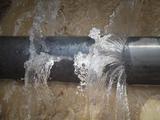
No homeowner wants to deal with plumbing leaks, let alone slab foundation damage. Unfortunately, these issues often go hand in hand. Plumbing leaks can cause significant damage if not addressed promptly with professional slab leak repair. If you’ve noticed an increase in your water bill, damp concrete areas, or slab cracks, you may be facing a serious issue.
Learn how to identify the warning signs of slab leaks and take immediate action to protect your home’s foundation.
What Is a Slab Leak?
A slab leak is a water leak that occurs within the pipes under the slab foundation of a home, building, or other structure. These leaks are often challenging to detect, as they are hidden below the ground surface and only become noticeable after presenting secondary slab leak signs, like wet concrete or cracked slabs.
What Causes Slab Leaks?
Slab foundation leaks are caused by various factors, like:
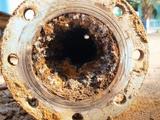
- Pipe Corrosion: Metal pipes, especially copper, can corrode due to chemical reactions with the soil, water, or concrete elements, which leads to slab leaks.
- Expansive Clay Soil: Soils that expand when wet and contract when dry exert pressure on the pipes beneath the slab, causing cracks or bursting.
- Water Type: Hard water contains mineral deposits with acidic properties that can erode the inside of copper pipes, creating leaks.
- Poor Construction Practices: Subpar slab installation, such as improper pipe laying, inadequate insulation, or substandard building materials, can cause leaks.
Prompt slab leak detection is crucial to maintaining your slab foundation’s integrity and preventing further damage.
Slab Leak Signs
Identifying and addressing slab leak signs promptly is essential to prevent further damage and avoid costly repairs. If you suspect a slab leak but aren’t sure, these warning signs may help you identify the issue:
- Unexplained water bill increase
- Sounds of running water when taps are closed
- Warm spots on interior floors
- Moisture or water accumulation near the foundation
- Low water pressure
- Musty odors or mold growth
- Visible cracks wall or floor cracks
Slab Leak Detection Methods
Slab leak detection is best left to professionals with the proper tools and expertise to diagnose problems accurately. Here are a few common slab leak detection methods:
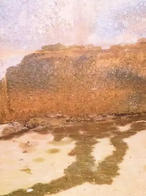
- Professional Inspections: Regular inspections help maintain plumbing, slab, and home health and functionality. By identifying potential issues early, like leaks, corrosion, or blockages, you can prevent minor problems from becoming significant problems.
- Professional Testing: Hydrostatic pressure testing identifies leaks in plumbing systems beneath slab foundations. The process involves isolating the plumbing system, filling the system with water, and monitoring for pressure loss. Early slab leak detection through hydrostatic pressure testing helps prevent potential foundation damage by allowing for prompt repairs.
- Professional Equipment: Acoustic leak detectors, infrared cameras, leak noise correlators, and tracer gas detection are professional slab leak detection devices. These devices test sound, temperatures, and non-toxic gas reactions to identify and locate leaks.
Foundation repair professionals like Groundworks provide free inspections to determine the extent and cause of slab damage. Slab leaks and foundation damage will worsen if not addressed with the proper repairs. Contact a professional at the first sign of slab leak detection.
Slab Foundation Repair and Prevention Methods
If it is found that slab leaks and foundation damage are present, professionals will devise a strategy to address repair. Foundation slab leak repair may include:
Drainage Systems
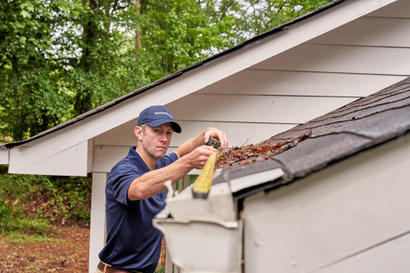
Installing drainage systems, including French drains, ensuring gutters and downspouts are functional and clog-free, and proper yard and landscape grading help redirect water away from the foundation and prevent water accumulation near the slab foundation, reducing leaks and damage.
Foundation Piers
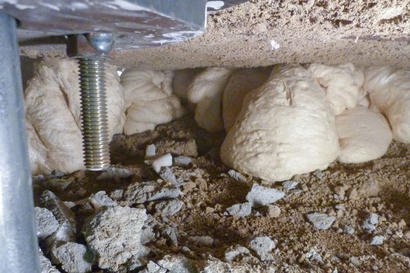
Helical piers, push piers, and slab piers stabilize foundations damaged by excessive water and slab leaks. These piers are driven deep into stable ground soil layers, redistributing the structure’s weight to ensure long-term support and prevent further settlement.
Polyurethane Foam Injections
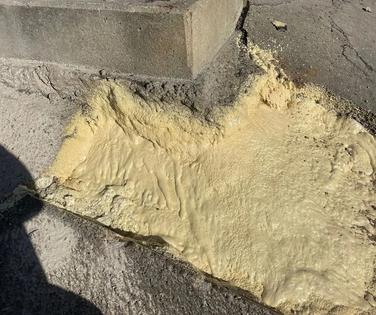
This concrete lifting and repair method uses high-density polyurethane foam injected under the slab. The environmentally friendly foam expands, fills soil voids, and stabilizes the slab, offering long-term relief. Polyurethane foam is a waterproof and durable solution for concrete damage.
Waterproofing
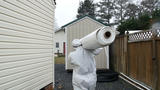
Waterproofing concrete slabs to prevent moisture infiltration and potential damage can include applying liquid waterproofing membranes, installing sheet membranes, and utilizing integral waterproofing admixtures. Surface preparation and proper material selection are crucial for effective waterproofing.
Soil Stabilization
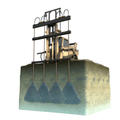
If unstable soil contributes to foundation issues, stabilization techniques, such as chemical grout injections, can improve soil-bearing capacity and reduce future settlement risks.
Contact Groundworks for Concrete Slab Repair

Slab leak detection is essential for maintaining your home’s structural integrity. Regular inspections and proactive maintenance can prevent expensive repairs and further damage.
Protect your foundation from water damage by contacting Groundworks for a free inspection. Our professionals will provide a tailored repair plan for your needs and budget, providing peace of mind for you and your family.
Slab Leak Repair FAQs
Delaying repair can lead to severe foundation damage, increased water bills, and potential mold growth in your home.
The duration varies based on the method used, but most repairs take between 1 to 3 days.
Not every wet spot in your basement is due to a leak. It could be condensation or a spill. However, if the wet spot reappears after cleaning, particularly after a rainstorm or snowmelt, it could be a leak. Also, look for other signs like a musty smell, discoloration, or mold growth around the wet spot.
Related Resources