AI-Powered
 The Foundation-First Checklist: 5 Resolutions for a New Year
Secure your home’s future with our foundation-first guide. These five structural resolutions help protect your foundation and support long-term stability.

A new year often brings a shift in how homeowners approach foundation maintenance. Many are moving past cosmetic DIY fixes and toward proactive structural upgrades.
Our checklist outlines five essential home maintenance resolutions that help identify structural “red flags.”
By prioritizing these actions, homeowners can support long-term durability, improve energy efficiency, and reduce potential safety risks in the years ahead.
1. The “10-Foot” Exterior Drainage Audit
Poor exterior drainage is a common contributor to foundation cracking, wall movement, and basement water intrusion.
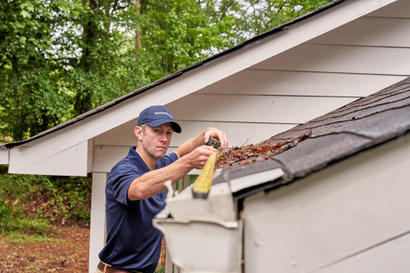
- The Goal: Reduce hydrostatic pressure by directing water away from the foundation.
- The Action: Inspect gutters and downspouts to ensure water discharges at least 10 feet from foundation walls.
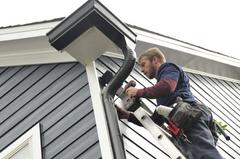
- The Resolution: Clear gutters of debris quarterly and install downspout extensions where needed to help protect your home from flooding.
- Why it matters: Poor drainage is one of the leading contributors to foundation damage nationwide. According to FEMA‑aligned flood and retrofit guidance, managing groundwater and the hydrostatic forces it creates is a critical part of preventing foundation flooding and reducing stress on foundation walls.
2. The Structural “Red Flag” Scan
Early indicators of foundation movement include misaligned doors and windows and visible cracks.
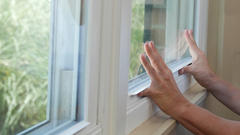
- The Goal: Detect foundation settlement or shifting before damage worsens and requires significant repair.
- The Action: Look for stair-step cracks, sticking doors and windows, and floor gaps.
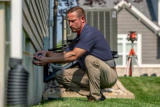
- The Resolution: Measure and document existing cracks. Contact a foundation repair expert for a free inspection to assess the severity.
- Why it matters: Early intervention helps prevent further damage that could require major structural repair. Piering and stabilization typically cost far less than rebuilding a foundation.
3. The Below-Grade Air Quality Check
In many homes, a significant portion of indoor air can originate from basements and crawl spaces.
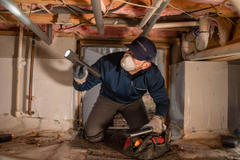
- The Goal: Reduce the impact of the stack effect on indoor air quality.
- The Action: Monitor humidity levels in your basement or crawl space.
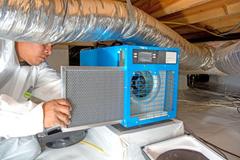
- The Resolution: Keep below-grade humidity below 55%. If dampness persists, consider professional crawl space encapsulation or basement waterproofing with a high-capacity dehumidifier.
- Why it matters: Excess moisture in below-grade areas can affect indoor air quality and contribute to material deterioration over time.
4. The “No-Fail” Sump Pump Stress Test
Sump pump failures often occur during storm events, when rising groundwater coincides with power outages.
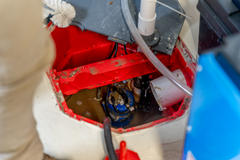
- The Goal: Protect against high water tables and flash flooding.
- The Action: Pour water into the sump pit to activate the pump. If water does not exit the home through the discharge line, inspect for clogs, freezing, or obstructions.
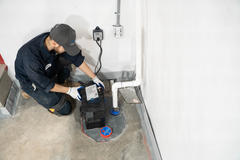
- The Resolution: Clear any clogs, confirm proper discharge flow to prevent mechanical backup, and install a battery backup system to ensure the sump pump continues to operate during power outages.
- Why it matters: Storms that increase groundwater levels frequently cause power outages. Without a clear discharge path and backup power, sump pump systems are vulnerable when they are needed most.
5. The Soil-to-Siding Clearance Review
Direct soil contact with siding increases moisture exposure and pest access at exterior walls.
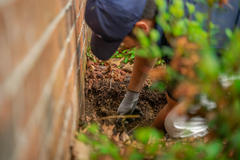
- The Goal: Prevent moisture intrusion and reduce the risk of termites and other pests.
- The Action: Confirm a visible gap clearance between the soil or mulch and your home’s siding.
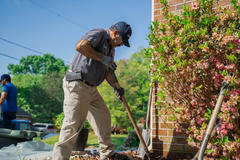
- The Resolution: Remove excess soil or mulch to maintain proper clearance between the ground and siding, and ensure yard grading directs water away from the foundation to prevent moisture accumulation near exterior walls.
- Why it matters: When soil contacts siding, moisture can wick upward into wall framing, increasing the risk of rot, pest infestation, and long-term structural damage.
Protect Your Home in the New Year: Schedule a Free Inspection

Structural issues often develop gradually and may not be visible during routine home maintenance. While this checklist can help highlight potential warning signs, it’s not a substitute for a professional evaluation.
A free, no-obligation foundation inspection can help identify underlying structural and moisture conditions and clarify next steps.
Groundworks’ trained, certified inspectors help homeowners better understand their foundation so they can move forward into the new year with peace of mind.
Foundation Repair FAQs
Absolutely. Homes built on slab foundations can develop voids due to soil movement or erosion. Depending on the severity, polyurethane injection may work, but slab piers might be needed to provide deep structural support. Only a professional inspection can determine the best approach.
Yes, foundation repair restores the stability and integrity of your building, preventing further damage. Solutions like helical piles and polyurethane injection provide long-lasting support for your foundation.
Extreme heat can dry out the soil around your home, especially in drought-prone areas. As the soil shrinks, it can no longer adequately support your foundation, leading to cracks, uneven floors, and settlement.