

 AI-Powered
 Trip Hazard Mitigation for ADA Compliance
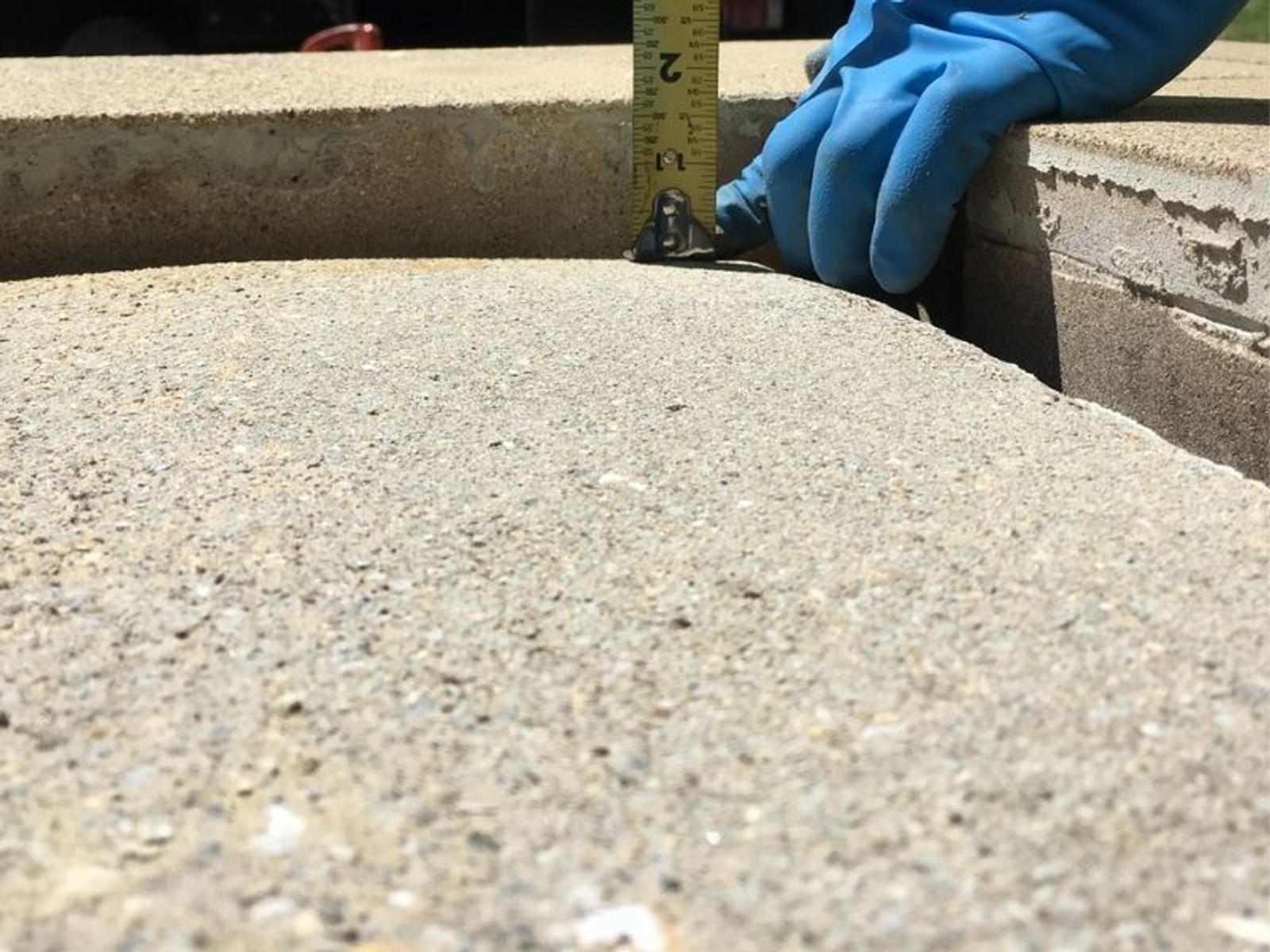
The Americans with Disabilities Act, also known as the ADA, sets the guidelines for trip hazards as any sudden height change as more than 1/4 inch. While this height may not sound like a lot, it makes a world of difference when it comes to the safety and compliance of commercial facilities. Since trip hazards can arise in nearly any part of a facility, they pose ongoing safety concerns that property owners and managers should actively watch for. In this article, readers will learn the risks that can cause trip hazards to occur, as well as the Groundworks solution: trip hazard mitigation.
What Causes Trip Hazards in Commercial Facility Floors?
There are many risk factors faced by commercial facilities that can cause trip hazards to develop in their floors. Here are those risks:
- Broken or Leaking Pipes and Plumbing: Pipe breaks and leaks happen, and when they do, soil loss can occur. This loss can lead to the settlement of your concrete slab floors, allowing height differentials to develop between slabs.
- Soil Loss and Erosion: Soil loss and erosion may occur for a myriad of reasons. As aforementioned, it can occur from leaking pipes, but may also occur during periods of heavy rainfall or extreme weather events. Improper grading or compaction can hasten erosion, too.
- Void Development: Voids can develop from consistent vibrations and soil consolidation. Void development can contribute to the differential settlement which may cause trip hazards.
What Commercial Facilities Should Look Out For
When busy, commercial facility owners, managers, and even employees may not spend a lot of time looking down at the floor. However, there are ways to look out for trip hazards, before someone stumbles over one:
- Cracks in floors, walls, or the foundation
- Gaps between floors and walls
- Windows and doors that won’t close properly
- Misaligned walkways, ramps, slabs, or steps
All of these signs point to structural shifts in the floor. These structural shifts can ultimately result in trip hazard formation.
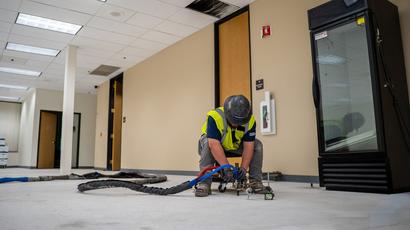
Trip Hazard Mitigation from Groundworks for Safer Commercial Facilities and ADA Compliance
Returning slabs to ADA compliance, with help from Groundworks, is a simple, fast, and minimally disruptive process. The service is done by drilling holes in the concrete floor through which polyurethane is injected in its liquid form. Once introduced to the soil beneath the floor, it expands, filling voids and gently lifting the floor back to grade. When the floor is lifted back to grade, ADA compliance and safety is restored.
Why Groundworks?
When it comes to eliminating trip hazards in commercial environments, you need a team that understands both safety and structural performance. Groundworks delivers proven trip hazard and concrete leveling solutions designed to minimize risk, restore safe walkways, and keep your facility compliant. Our experts work efficiently to reduce downtime and protect your property and the people who use it. If you’ve noticed uneven slabs or emerging trip hazards, contact Groundworks today to schedule a professional assessment and keep your facility operating safely.