AI-Powered
 Building Strong Foundations: Why Trained & Certified Foundation Repair Experts Matter
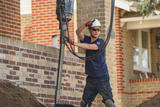
Trained and certified foundation repair experts gain specialized knowledge through technical training, hands-on experience, and a strong understanding of structural systems, soil conditions, and jobsite safety.
Because a home’s foundation supports the floors, roof, and load-bearing walls, repairing it requires precision and specialized expertise.
Understanding the training behind skilled trades helps explain why qualified professionals should perform foundation repair and why these roles are essential to protecting homes and communities.
- Skilled Trades in 2026: Why Professional Training Matters
- A Career Path, Not Just a Job
- Foundation Repair Is a Specialized Structural Trade
- Why Certification and Training Protect Long-Term Structural Stability
- How Groundworks Trains Foundation Repair Professionals
- What Happens Without a Trained Foundation Expert?
- Plumbers and Structural Stability: Managing Moisture Risk
- Welders and Structural Reinforcement Systems
- Building a Career in Foundation Repair
- The Foundation of Everything Else
Skilled Trades in 2026: Why Professional Training Matters
Skilled trade roles require technical training, mechanical knowledge, and jobsite decision-making that automation cannot replicate. Tradespeople diagnose problems, apply specialized solutions, and protect the safety and longevity of the structures they work on. They are essential to the United States’ housing and infrastructure systems.
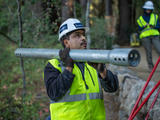
The Associated Builders and Contractors reports ongoing labor shortages across the construction industry, increasing demand for trained trades workers. The U.S. Bureau of Labor Statistics projects continued growth in construction and extraction occupations, and hundreds of thousands of job openings over the next decade. Many of these roles pay at or above the national median wage.
As housing demand increases and infrastructure ages, structural trades such as foundation repair, plumbing, and welding remain critical. These roles require physical presence, hands-on evaluation, and field-tested expertise, qualities that technology cannot replace.
A Career Path, Not Just a Job
Many people underestimate the long-term career potential within the skilled trades industry. Entering a trade does not mean remaining in the same role indefinitely. Instead, it often marks the beginning of a progression built on experience, skill development, and leadership opportunities.
Across the industry, including at Groundworks, advancement typically follows a defined path. Entry-level team members who pursue training, earn certifications, and develop technical skills can move into specialized, supervisory, or leadership roles over time.
As individuals gain experience and demonstrate capability, advancement opportunities expand across departments and markets. Unlike many industries where advancement may rely on formal degrees or tenure, skilled trades emphasize demonstrated ability.
Competency, consistency, safety awareness, and hands-on technical knowledge are the primary drivers of career growth.
Foundation Repair Is a Specialized Structural Trade
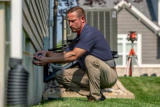
Trained and certified foundation repair experts assess the structural systems of houses and buildings, not just the visible damage. These evaluations include assessing soil conditions and moisture levels, load-bearing pathways, and structural stress patterns in relation to the home’s foundation type, age, and construction materials.
They also consider the changes homeowners observe over time, such as drywall cracks, stair-step masonry separation, sticking doors or windows, and gaps between walls and ceilings. Trained and certified foundation repair experts have many responsibilities, including:
- Diagnosing structural movement and foundation damage
- Evaluating soil conditions that affect structural stability
- Installing stabilization systems, such as foundation piers, wall anchors, and other supports
- Verifying proper load transfer during installation
- Monitoring structural alignment and settlement correction
An accurate diagnosis requires proper technical training and standardized inspection protocols. At Groundworks, specialists evaluate each structure and design a repair plan before installation begins. The goal is to address the underlying causes of instability and damage rather than applying a temporary surface fix.
Why Certification and Training Protect Long-Term Structural Stability
Foundation stabilization systems, including helical piers, push piers, wall anchors, and drainage systems, must be installed in accordance with proper engineering principles to ensure adequate load transfer and long-term performance. A trained and certified foundation repair installation involves:
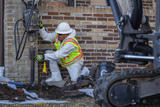
- Depth and load verification: Confirming that stabilization systems reach competent, load-bearing soil layers capable of supporting the structure.
- Torque or pressure measurement: Measuring installation resistance to confirm that each pier or anchor achieves the necessary capacity.
- Elevation correction: Structural alignment correction where conditions allow.
- Final stabilization confirmation: Verifying performance and alignment after installation is complete.
Improper installation by untrained or uncertified workers can lead to incomplete load transfer, uneven lifting, or continued settlement. These are documented risks that occur when foundation repair is approached as general construction rather than specialized work.
How Groundworks Trains Foundation Repair Professionals
Groundworks’ certified program combines classroom instruction with hands-on training. Field teams learn:
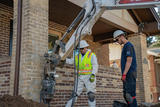
- Installation standards: Teams learn to follow defined installation procedures to promote consistency, measurement verification, and quality control across projects.
- Equipment operation and calibration: They learn to accurately calibrate hydraulic drive systems, torque motors, and lifting equipment to achieve precise installation results.

- Soil and load dynamics: Crews learn how different soil types behave under changing moisture conditions and how structural loads transfer through foundation systems into the supporting ground.
- OSHA safety compliance: Ongoing safety training reinforces proper jobsite practices that protect workers, homeowners, and property.
- Continuing field education: As foundation repair systems evolve, crews receive updated instruction to remain aligned with current best practices and industry guidelines. Leadership also audits crews for training and certification compliance.
Groundworks’ On-site Teams
Groundworks has multiple on-site teams to ensure proper diagnosis, installation, and system performance, including:
- Certified Field Inspectors: These professionals complete classroom and field training, as well as certification exams, to properly inspect foundations, diagnose problems, and recommend customized repair plans.
- Production Team Members: Highly trained and certified crews perform the approved repairs using specialized tools, techniques, and installation standards.
- Service Technicians: These expert technicians understand the systems behind each engineered solution and perform scheduled maintenance and inspections in accordance with the service agreement.
Training is reinforced over time to maintain industry standards and regulatory compliance. Every job is reviewed to ensure it meets quality standards.
What Happens Without a Trained Foundation Expert?
Without proper training, certification, and credentials, structural problems can occur, even if they are not immediately visible. Issues may involve:

- Structural misdiagnosis: Surface cracks may be repaired without identifying underlying soil movement or structural load issues.
- Symptom-only repairs: Cosmetic fixes do not stabilize the foundation or stop ongoing movement.
- Incomplete load transfer: Improper pier depth or anchoring can allow continued settlement beneath the repaired area.
- Continued settlement: Ongoing soil instability can gradually worsen structural misalignment.
- Increased repair costs: Delayed or incorrect repairs can expand the scope and cost of future work.
Foundation repair directly affects structural stability and long-term property performance. A properly designed and professionally installed solution helps protect both.
Plumbers and Structural Stability: Managing Moisture Risk

Water directly affects the soil supporting a foundation. Undetected plumbing leaks can alter moisture levels beneath slabs or crawl spaces, contributing to soil erosion, uneven expansion, and structural movement.
In many foundation repair projects, licensed plumbers and foundation repair professionals work together. If a plumbing issue is contributing to soil instability, the water source must be identified and corrected before or along with structural stabilization. Repairing the foundation without addressing the moisture condition can allow movement to continue.
The U.S. Bureau of Labor Statistics projects continued demand for licensed plumbers. When plumbing conditions affect soil stability, coordination between plumbers and trained foundation professionals helps ensure the repair addresses both the underlying cause and the structural symptoms.
Welders and Structural Reinforcement Systems
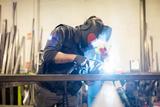
Structural steel components are important to many foundation stabilization systems. The reliability of helical piers, brackets, anchors, and reinforcement assemblies depends on the quality of fabrication and welding before those components ever reach the job site.
Welding is a skilled trade that demands proper training, certification, and adherence to established procedures. When executed correctly, welds ensure steel components remain structurally sound, distribute loads evenly, and perform reliably under long-term stress. Poor workmanship or inconsistent fabrication, however, can create weak points that compromise load transfer and reduce the system’s overall durability.
In foundation repair, stabilization systems are only as strong as their weakest component. From fabrication to final installation, structural performance depends on precision, thorough inspection, and strict adherence to engineering specifications.
Building a Career in Foundation Repair
Foundation repair is a specialized and growing field that offers real advancement potential for those considering a career in the skilled trades. Groundworks actively recruits and trains motivated individuals who are committed to quality and looking to build a long-term career in a technically demanding industry.
You do not need prior experience to get started. What matters is a willingness to train, follow structured processes, and take pride in work that directly affects homeowners’ safety and peace of mind.
According to the Associated Builders and Contractors, the construction industry needs to attract hundreds of thousands of additional workers in 2026 to meet demand. For motivated individuals, this shortage means opportunity for employment, advancement, and long-term career stability.
Why Choose a Career in Foundation Repair?
Structural repairs remain necessary regardless of economic conditions, making foundation repair a service in constant demand. Technicians who earn certifications, build technical expertise, and develop leadership skills can advance within the industry. At Groundworks, we operate in a growing number of markets, creating career opportunities across multiple regions.
Eligible Groundworks Tribe members have access to benefits, including health insurance, retirement savings programs, and other company perks. Additionally, after six months of consecutive employment, all employees become eligible and enrolled in the Employee Ownership Program (EOP).
This unique program recognizes employees’ hard work and dedication by allowing them to share in the company’s long-term success.
The Foundation of Everything Else
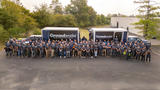
The people who build and maintain our homes provide the underlying support for the safe, functional spaces families rely on every day.
At Groundworks, our trained and certified foundation repair experts bring technical training, proven processes, and engineering oversight to one of the most critical components of your home. Their work is grounded in standards, precision, and accountability.
Whether repairing a home or pursuing a career in the skilled trades, proper training ensures work is performed safely, accurately, and built to last.
Learn more about becoming a certified foundation repair specialist by visiting the Groundworks Careers page, or schedule a free foundation inspection with our team.
Skilled Trades & Foundation Repair FAQs
Yes. The U.S. Bureau of Labor Statistics projects continued growth in construction and extraction occupations.
Professional foundation repair experts require knowledge of soil mechanics, structural load paths, engineered reinforcement systems, and installation standards.
Professional foundation repair crews receive structured training in structural diagnosis, equipment operation, installation protocols, and jobsite safety compliance.