AI-Powered
 10 Spring Cleaning Steps to Prepare Your Basement for Summer

As the weather warms up and spring showers roll in, tidying up around the home is common. After a long winter, it’s the perfect time to clean, inspect, and prepare your living space for the months ahead. Summer can bring heavy precipitation, wild temperature swings, and long stretches of humidity, all of which can lead to moisture and mold issues in the home.
After months of winter snow, freezing temperatures, and potential thaw-related moisture, your basement may be more vulnerable than you realize. Use this comprehensive checklist to ensure your space stays dry, healthy, and protected.
- 1. Declutter and Organize Your Space
- 2. Give the Basement a Deep Clean
- 3. Look for Signs of Moisture or Water Intrusion
- 4. Inspect Interior Drainage Channels
- 5. Test Your Sump Pump
- 6. Clean and Maintain Your Dehumidifier
- 7. Seal Minor Cracks and Gaps
- 8. Check Basement Windows and Window Wells
- 9. Evaluate Exterior Drainage Around Your Home
- 10. Schedule Waterproofing Maintenance
- Why Basement Waterproofing Matters in Spring and Summer
- What Waterproofing Service and Maintenance Looks Like
- Schedule Maintenance with Groundworks Today
1. Declutter and Organize Your Space
Start your spring cleaning by removing unnecessary items. Basements tend to become storage catch-alls, but excess clutter can also trap moisture and restrict airflow.
Start by sorting through boxes, old furniture, and unused belongings to remove unnecessary items. Donate, recycle, or discard what you no longer need. For items you keep, switch from cardboard boxes, which absorb moisture, to airtight plastic bins. Keeping things elevated on shelving rather than directly on the floor is another smart way to reduce damage risk.
2. Give the Basement a Deep Clean
Once clutter is cleared, it’s time for a thorough cleaning. Dust, dirt, and organic debris can contribute to poor air quality and even mold growth.

- Sweep and vacuum all floors, including corners and behind appliances
- Mop hard surfaces with a mild cleaner
- Wipe down walls, baseboards, and exposed beams
- Clean vents and replace HVAC filters if needed
A clean basement not only looks better but also makes it easier to spot potential issues.
3. Look for Signs of Moisture or Water Intrusion
Carefully inspect your basement for any signs of past or present water issues.
Watch for:
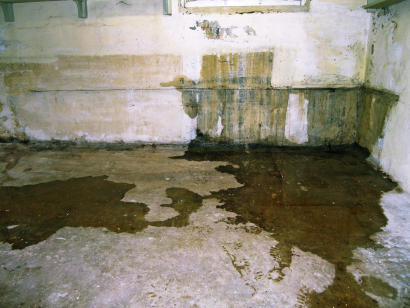
- Wet spots on walls and floors
- Musty or earthy odors
- Efflorescence (a white, chalky residue left by evaporating water)
- Peeling paint or bubbling finishes
- Visible cracks in the foundation
If you notice any of these warning signs, it’s important to address them before spring storms intensify.
4. Inspect Interior Drainage Channels
Interior drainage systems are designed to capture water before it reaches your basement floor. Over time, however, debris or sediment can affect their performance.
Check accessible areas of your drainage channels to ensure they are clear and unobstructed. If your system has inspection ports, use them to confirm proper flow. A properly functioning drainage system is essential for directing water safely to your sump pump.
5. Test Your Sump Pump
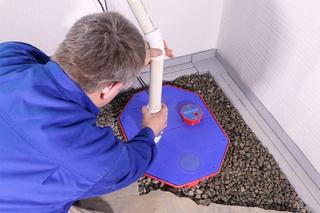
Your sump pump is one of the most important components of your basement waterproofing system. Spring is the perfect time to make sure it’s working correctly.
To test it:
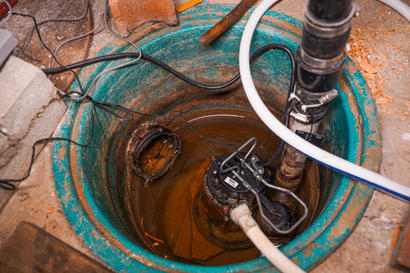
- Pour a bucket of water into the sump pit
- Confirm the float switch activates the pump
- Make sure water is discharged quickly and efficiently
- Check that the discharge line directs water away from your foundation
Also inspect the power source and consider a battery backup system to ensure operation during outages, especially during storms.
6. Clean and Maintain Your Dehumidifier
As temperatures rise, humidity levels in your basement can increase significantly. A dehumidifier helps control moisture and prevent mold growth.
Spring maintenance should include:
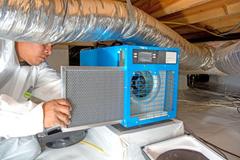
- Emptying and cleaning the water reservoir
- Washing or replacing filters
- Checking for proper drainage if connected to a hose
- Ensuring the unit runs efficiently
Aim to keep indoor humidity levels between 30% and 50% for optimal comfort and protection.
7. Seal Minor Cracks and Gaps
Small cracks in your basement walls or floors can allow moisture to seep in over time. While major structural issues should be handled by professionals, minor cracks can often be sealed as part of your spring maintenance.
Use a waterproof sealant or epoxy designed for masonry to fill gaps. Pay special attention to areas around pipes, windows, and where walls meet the floor. This extra step helps reduce the risk of water intrusion during heavy rains.
8. Check Basement Windows and Window Wells
Basement windows are a common entry point for water if not properly maintained.
Inspect windows for:

- Cracked or deteriorating seals
- Gaps in caulking
- Condensation between panes
If your basement has window wells, clear out leaves, dirt, and debris. Make sure drains within the wells are functioning properly, and consider installing window well covers to keep out rainwater and debris.
9. Evaluate Exterior Drainage Around Your Home
While your focus may be inside, your basement’s health starts outside. Poor exterior drainage can lead to water pooling around your foundation.
Take time to:
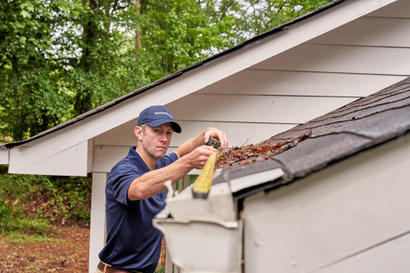
- Clean gutters and downspouts
- Ensure downspouts extend at least 6–10 feet away from your home
- Check that the ground slopes away from your foundation
- Look for areas where water tends to collect
Proper exterior drainage practices can significantly reduce the likelihood of basement water infiltration.
10. Schedule Waterproofing Maintenance
Even with a thorough DIY inspection, a professional maintenance plan can identify issues you might miss. Waterproofing experts can assess the condition of your drainage system, sump pump, and overall basement environment.
Annual inspections are especially valuable before peak rain seasons, helping ensure everything is functioning as it should.
Why Basement Waterproofing Matters in Spring and Summer
Spring and summer bring increased rainfall, melting snow runoff, and higher humidity levels, all of which put added pressure on your basement. Without proper waterproofing, water can seep through foundation walls, rise through the floor, or enter through cracks and joints.
A reliable basement waterproofing system manages water and moisture before it becomes a problem. Interior drainage channels collect water at the perimeter, sump pumps remove it from the home, and dehumidifiers control airborne moisture. When properly maintained, these systems provide year-round protection and peace of mind.
What Waterproofing Service and Maintenance Looks Like
Routine service and maintenance are key to ensuring your waterproofing system performs when you need it most. A typical professional maintenance visit may include:
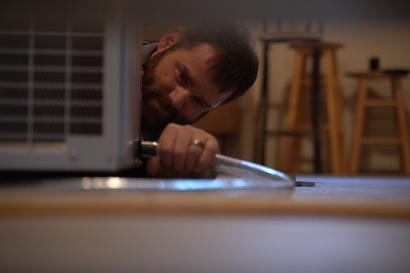
- System Inspection: Technicians examine interior drainage channels, sump pump components, discharge lines, and backup systems to ensure everything is in working order.
- System Inspection: Technicians provide free inspections to assess waterproofing components and ensure proper functioning.
- Drainage System Check: Professionals verify that water is flowing correctly through interior drainage channels and that there are no clogs or blockages.
- Dehumidifier Service: Filters are cleaned or replaced, and the unit is checked for efficiency and proper drainage.
- Identifying Potential Issues: Early signs of wear, damage, or inefficiency are flagged and addressed before they cause damage.
Schedule Maintenance with Groundworks Today
Spring cleaning is a great time to evaluate the overall health and safety of your basement. From decluttering to strengthening your defenses against moisture and mold, it’s an ideal opportunity to ensure your home is in good condition.
Don’t wait until the next storm to reveal a problem. Contact our service and maintenance department today to schedule your free inspection and learn more about enrolling in a customized maintenance plan to keep your basement safe and dry year-round.
Basement Maintenance FAQs
After heavy snowfall, the ground around your home often freezes. When the snow and ice start to melt—especially during a warm spell or rainstorm—the frozen ground can’t absorb the water. With nowhere to go, the melting water flows along the surface and often finds its way into your basement through cracks, leaking window wells, or poorly sealed walls.
Even a small puddle can lead to mold or rot if left alone. If it’s more than a spill, it’s time to act.
Press the test button on the control panel or simulate a power outage by unplugging the pump. The backup should activate immediately. If not, call a professional immediately.
Related Resources