AI-Powered
 The Reality of Renovation TV: Hidden Moisture Problems That Often Go Unseen
If you’ve watched HGTV’s Castle Impossible, you’ve seen the husband-and-wife team tackle ambitious renovations throughout their centuries-old castle, restoring everything from walls and floors to terraces and dungeons. However, it’s what viewers don’t see that tells the full story of reality TV shows like these. Hidden issues, such as moisture and foundation instability, ultimately determine whether those renovations actually last.
While most of us don’t live in a castle, many of us still think of our home as one. Yet no home is immune to excess moisture. Over time, it can damage building materials and shorten the lifespan of completed renovations.
Renovations Often Begin After the Cameras Stop Rolling
Home renovation shows focus on dramatic transformations. Viewers see demolition, trending designs, construction challenges, and the final, often emotional reveal. However, regardless of how extravagant the transformation, what often receives less attention are the improvements that help preserve the home after the reveal.
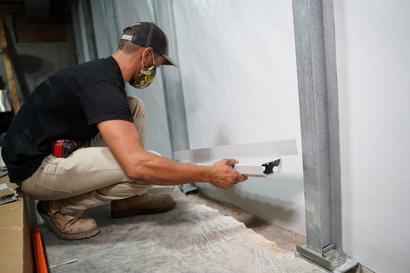
Behind-the-scenes projects may include:
These projects may not create dramatic before-and-after moments, but they help address conditions that can affect building materials and the overall condition of your home.
Why Is Moisture a Risk to Homes?
Moisture is a risk to homes because it can damage building materials, reduce indoor air quality, and create conditions that support mold growth, wood rot, and other moisture-related problems. Elevated humidity alone can affect a home over time.
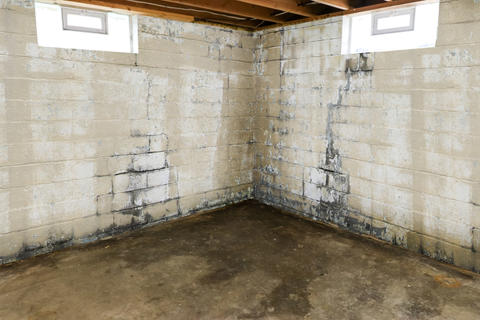
Excess moisture contributes to:
In homes built on expansive soils, repeated changes in soil moisture can also contribute to foundation movement over time.
Why Crawl Spaces Harbor Moisture
Crawl spaces harbor moisture because they’re located directly above the ground, where water vapor from the soil and humid outdoor air can raise humidity beneath the home. Moisture can build up over time, especially if the crawl space is vented, lacks a vapor barrier, or has poor drainage around the foundation.
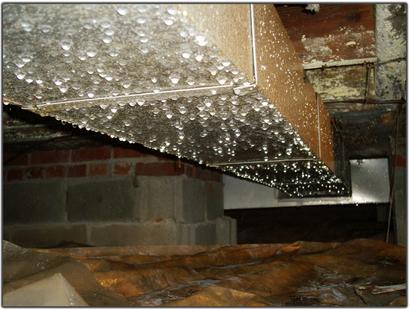
Common sources of crawl space moisture include:
- Moisture evaporation from exposed soil
- Humid outdoor air entering through unsealed crawl space vents
- Condensation on plumbing, ductwork, and framing
- Poor grading or drainage around the foundation
A crawl space may never make the final cut on a home renovation show, but it can have a lasting impact on your home’s condition. Managing moisture beneath your home helps protect structural wood, insulation, flooring systems, and indoor air quality.
Why Wet Basements Are Common
Wet basements are common because they’re built below ground, where foundation walls are constantly exposed to surrounding soil, groundwater, and seasonal moisture. Water can enter through cracks or joints, while cool concrete surfaces and elevated humidity can also contribute to damp conditions.
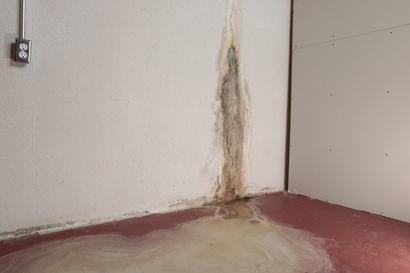
Common sources of basement moisture include:
- Water entry through cracks or joints in foundation walls or floors
- Condensation on cool concrete surfaces
- Elevated humidity inside the basement
- Poor air circulation
Over time, excess moisture can damage drywall, flooring, insulation, stored belongings, and other materials. It can also create conditions that support mold and mildew growth.
Moisture control rarely receives much attention during televised renovations, but it can play an important role in protecting your foundation and the building materials inside it.
Waterproofing Solutions That Help Protect Your Home
Waterproofing solutions help manage water intrusion and excess humidity in below-grade areas. The right solution depends on the source of the moisture, your home’s construction, and the conditions affecting the crawl space or basement.
Depending on your home’s needs, professionals may recommend:
Crawl space encapsulation involves sealing the crawl space with a ground vapor barrier and other moisture-control measures to help reduce humidity beneath the home. Basement waterproofing may include drainage systems, sump pumps, vapor barriers, or dehumidification to help manage water intrusion and excess moisture.
Since moisture problems can have different causes, a professional inspection helps identify the source of the moisture and determine which solutions, if any, are necessary.
The Most Important Home Improvements Happen Behind the Scenes
Fresh paint, updated flooring, and renovated kitchens may steal the spotlight, but some of the most important improvements happen behind the scenes.
Whether you’re restoring a historic landmark or caring for the place you call home, managing moisture in crawl spaces and basements can help reduce foundation damage and support your home’s long-term performance.
Schedule a free inspection with Groundworks’ trained and certified professionals today to learn more.
FAQs
Subtitle
Waterproofing your basement once so you’ll never have to worry about it is definitely worth the investment. You can’t put a price on your peace of mind.
After heavy snowfall, the ground around your home often freezes. When the snow and ice start to melt—especially during a warm spell or rainstorm—the frozen ground can’t absorb the water. With nowhere to go, the melting water flows along the surface and often finds its way into your basement through cracks, leaking window wells, or poorly sealed walls.
While a dehumidifier can help reduce moisture after flooding, it’s not a solution for flooding issues. A proper waterproofing system is necessary for severe water problems.