AI-Powered
 Buying a Home with a Basement: 5 Things to Inspect Before You Buy

Buying a home can be a smart investment, especially when it includes a finished basement. With many homeowners leveraging home equity to fund renovations, maximizing usable space has become more valuable than ever.
However, if issues such as wall cracks or hydrostatic pressure are present, this below-grade space can turn into a hidden money pit. For example, some basement problems aren’t visible during a standard real estate walkthrough, allowing issues to go unnoticed until after closing.
Before making an offer, it’s important to recognize potential warning signs and determine whether the home is a sound investment or if a professional inspection is necessary. After all, with US home sales projected to increase by 14% in 2026, making an informed decision is more important than ever.
- Is Buying a House with a Basement a Good Idea?
- 5 Basement Problems to Look for When Buying a House
- 1. How Do You Check for Water Damage in a Basement Before Buying a Home?
- 2. How Do You Identify Foundation Cracks?
- 3. How Do You Check Exterior Drainage and Grading When Buying a Home with a Basement?
- 4. How Do You Evaluate Basement Humidity and Air Quality When Buying a Home?
- 5. How Do You Evaluate Basement Waterproofing Systems and Maintenance History?
- What Should You Check in a Basement Before Buying a Home?
- Should You Buy a House with a Basement?
- When Should You Contact a Foundation Expert?
Is Buying a House with a Basement a Good Idea?
Buying a house with a basement is a good idea if the basement is dry, structurally sound, and properly maintained. These spaces increase usable square footage and can boost resale value, but they require consistent moisture control and proper drainage to remain a long-term asset. Before you sign on the dotted line, consider these pros and cons:
Pros of Basement Foundations
- Extra space: Basements add immediate living or storage space.
- Resale potential: Finished basements can increase home value and buyer appeal.
- Safety benefits: Basements can provide shelter during severe weather.
Cons of Basement Foundations
- Water risk: Basements are more vulnerable to groundwater intrusion.
- Air quality concerns: Moisture in basements can lead to mold and poor indoor air.
- Ongoing maintenance: Homes with basements require sump pumps, drainage systems, and humidity control.
While you weigh the pros and cons, also consider the warning signs that may indicate hidden structural, moisture, or foundation issues beneath the surface, and what they could mean for long-term costs and safety.
5 Basement Problems to Look for When Buying a House
The most common basement problems to look for when buying a house include water intrusion, foundation cracks, poor drainage, and high humidity levels. These issues are often caused by hydrostatic pressure and can lead to expensive repairs if not identified early.
There are several warning signs you can look for during a standard walkthrough.
1. How Do You Check for Water Damage in a Basement Before Buying a Home?
Water is the most common problem in basements and one of the most important factors to note. We review common red flags and what to ask before you sign on the dotted line below.
What Are the Most Common Signs of Basement Moisture Problems?
The most common signs of basement moisture problems include efflorescence, musty odors, peeling paint, and water stains.
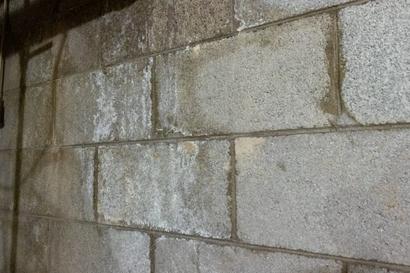
- Efflorescence: White, chalky residue on walls (a sign water is moving through concrete)
- Musty odors: Indicates high humidity or possible mold growth
- Peeling paint near the floor: Suggests moisture is seeping through walls
- Water stains or discoloration: Evidence of past or ongoing leaks
Many basement moisture issues are caused by hydrostatic pressure, which occurs when groundwater pushes against the foundation walls, leading to cracks, seepage, and long-term damage.
What Should You Ask About Basement Water Problems Before Making an Offer?
Before making an offer on a home with a basement, you should ask about past water issues, drainage systems, and any waterproofing work that has been completed.
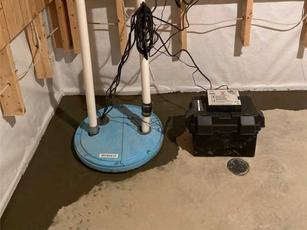
- Has the basement ever flooded?
- When was the waterproofing system installed?
- Is there a basement sump pump or drainage system in place?
- Are there warranties or service records available?
Why Do Basement Water Problems Require Further Evaluation?
Basement water problems often require further evaluation because the underlying cause isn’t always visible during a walkthrough. What may appear to be a minor problem can ultimately be connected to drainage, foundation, or groundwater conditions. Some basement moisture issues are easy to address, while others may involve more comprehensive solutions, depending on the source of the problem.
2. How Do You Identify Foundation Cracks?
Foundation cracks are common, but some types can indicate structural movement or pressure against basement walls. When buying a home with a basement, it’s important to know which cracks may require further inspection.
What Types of Foundation Cracks Should You Look For?
Different foundation cracks can signal different problems, ranging from normal settlement to potential structural concerns.
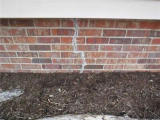
- Vertical cracks: Usually caused by normal foundation settling and lower risk
- Horizontal cracks: May indicate pressure from surrounding soil pushing against the wall
- Stair-step cracks: Common in block or brick walls and can suggest foundation movement
What Is the 1/4-Inch Rule for Foundation Cracks?
Cracks wider than 1/4 inch or basement walls that appear bowed or bulging should be evaluated by a trained and certified foundation expert to determine the underlying cause.
What Other Signs of Foundation Problems Should You Watch For?
Foundation cracks aren’t the only issue to look for. Other signs inside the home can signal potential structural concerns.
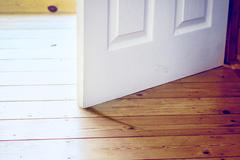
- Uneven or sloping floors
- Doors or windows that stick or appear misaligned
- Visible bowing or inward movement of basement walls
When Should You Call a Foundation Professional?
If you notice multiple warning signs or unusual symptoms, contact a foundation repair expert before moving forward with the purchase. A professional inspection can help clarify whether the issue is minor or something worth immediate attention.
3. How Do You Check Exterior Drainage and Grading When Buying a Home with a Basement?
Many basement water problems begin outside the home, where poor drainage allows water to collect near the foundation. When buying a home with a basement, evaluating exterior grading and water management is critical.
What Does Proper Drainage Around a Home Look Like?
Proper drainage helps direct water away from the foundation and reduces pressure on basement walls.
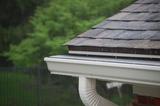
- Downspouts extend 5–6 feet away from the foundation
- Soil slopes away from the home (positive grading)
- No standing water near the foundation after rainfall
What Exterior Drainage Problems Should You Look For?
Clogged gutters, short downspouts, and improper yard grading can increase the likelihood of basement moisture issues.
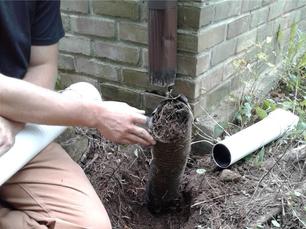
- Gutters that are clogged, cracked, or overflowing
- Downspouts dumping water next to the house
- Yard grading that slopes toward the foundation (negative grading)
Why Does Poor Drainage Lead to Basement Problems?
Poor drainage allows water to accumulate around the foundation, increasing pressure on basement walls and raising the risk of seepage or leaks. Over time, this added pressure can contribute to moisture intrusion, cracks, mold growth, and other foundation issues.
4. How Do You Evaluate Basement Humidity and Air Quality When Buying a Home?
High humidity can impact the entire home, even without visible water in the basement. When buying a home with a basement, it’s important to assess air quality and moisture levels, as these conditions can affect comfort and long-term maintenance needs.
Why Does Basement Air Quality Matter?
Basement air naturally rises into the living space through a process known as the stack effect, which influences indoor air quality throughout the home. This means basement moisture, mold spores, or other contaminants don’t stay isolated.
What Signs of Poor Basement Air Quality Should You Look For?
Certain conditions can indicate elevated humidity or air quality concerns in a basement.
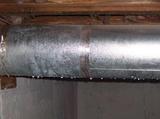
- Damp or sticky air in the basement or throughout the home
- Condensation on pipes or walls
- Mold growth or mildew odors
What Are Healthy Basement Humidity Levels?
Maintaining proper humidity levels helps reduce the likelihood of moisture-related issues. Here are signs your basement humidity is under control:
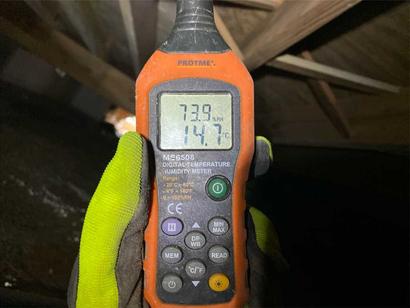
- Humidity levels are typically kept below 55%
- Presence of a dehumidifier or humidity control system
- Vapor barriers installed on basement walls
Should You Be Concerned About Radon in a Basement?
Radon is a naturally occurring gas that can enter homes through the foundation, so testing is often recommended when buying a home with a basement.
- Ask if the home has been radon-tested
- In higher-risk areas, look for mitigation systems (often a PVC vent pipe)
Clean, controlled basement air helps support a healthier overall living environment.
5. How Do You Evaluate Basement Waterproofing Systems and Maintenance History?
Basement waterproofing systems play a key role in managing moisture and helping keep the space dry and functional over time. When buying a home with a basement, reviewing these systems and their maintenance history can provide important context.
What Types of Basement Waterproofing Systems Should You Look For?
Well-maintained systems are designed to manage water and reduce moisture intrusion.
- Sump pumps, ideally with a battery backup
- Interior drainage systems, such as a perimeter drain
- Vapor barriers to help control moisture seepage
- Basement dehumidifiers to help control humidity
What Red Flags Should You Watch for in Basement Waterproofing?
Certain signs may indicate incomplete or temporary solutions.
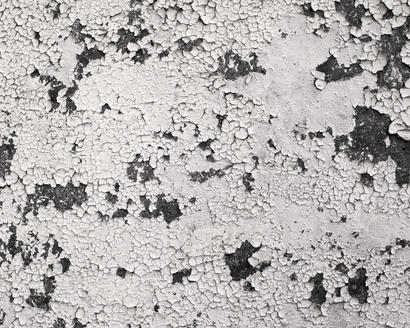
- No documentation of past repairs or installations
- Paint-on sealants and peeling paint
- Evidence of repeated DIY repairs
How Do Waterproofing Systems Affect Home Value?
Basement condition and documentation can influence buyer confidence during a purchase.

- Documented systems may increase confidence in the home’s condition
- Transferable warranties can be viewed as an added benefit
- Lack of reliable systems may impact negotiations
What Should You Ask About Basement Maintenance History?
Understanding past maintenance can help you evaluate how the basement has been managed over time.

- Are there records of waterproofing or drainage work?
- Are warranties transferable to a new owner?
- Has the system been regularly maintained or serviced?
What Should You Check in a Basement Before Buying a Home?
When buying a home with a basement, use a simple checklist to evaluate moisture, structure, and drainage conditions during a walkthrough or inspection.
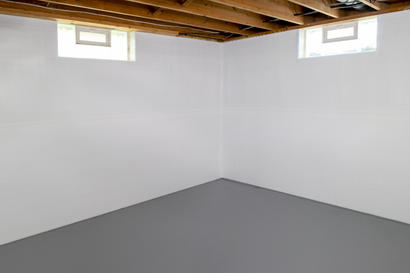
- No horizontal cracks or bowing walls
- No white residue (efflorescence) on walls
- No musty odors or visible mold
- Sump pump is present and functional (backup power preferred)
- Humidity appears controlled (ideally below 55%)
- Soil slopes away from the foundation
- Downspouts extend away from the home
If any of these items raise concern, consider bringing in a specialist before closing.
Should You Buy a House with a Basement?
Buying a house with a basement can be a smart investment if the space is dry, stable, and properly maintained. The long-term performance of a basement depends on moisture control, structural integrity, and reliable systems.
What Should You Focus on Before Making a Final Decision?
Before making a final decision on a home with a basement, focus on the underlying conditions that affect long-term performance, not just the finished appearance.
- Look beyond finishes and staging: Fresh paint or finished walls can hide underlying moisture or structural concerns
- Pay attention to what’s behind and below: Conditions inside walls, beneath flooring, and along the foundation are often more important than surface appearance
- Evaluate key systems and conditions: Check drainage, humidity levels, and any visible structural signs like cracks or movement
- Understand the limits of a general inspection: A standard home inspection may not fully identify basement-specific issues like moisture intrusion or foundation movement
Taking the time to evaluate these factors can help you better understand the true condition of the basement before committing to a purchase.
When Should You Contact a Foundation Expert?

If you notice signs of moisture or structural movement, Groundworks’ basement waterproofing experts can provide a detailed inspection before you move forward. Our trained and certified teams, including experienced engineers, evaluate basement conditions and help identify appropriate diagnostics and next steps.
Groundworks supports thousands of homeowners each year, and that experience, combined with consistently strong customer feedback, helps buyers better understand what they’re seeing before making a purchase decision. A professional evaluation can provide greater clarity and help you move forward with confidence.
Schedule a free foundation inspection to learn more.
Basement Waterproofing FAQs
Yes—finished basements still need protection from moisture. A properly installed vapor barrier behind drywall helps prevent hidden mold and water damage over time.
Not usually. Most policies exclude flooding unless you’ve added special coverage.
Hydrostatic pressure occurs when water-saturated soil presses against your foundation walls, leading to cracks, leaks, and structural damage over time.