

 AI-Powered
 How a Damp Basement Causes Health Problems

Are your allergy symptoms worsening, or are your headaches becoming more frequent? You might not realize it, but a damp basement may be the culprit. Unfortunately, basement moisture has harmful effects on your home and your health.
This page explains how a damp basement can cause health problems and offers effective waterproofing solutions. Here’s what you need to know.
Can a Damp Basement Cause Health Problems?
Any amount of water in a basement can negatively affect your health. Prolonged exposure to these conditions causes many negative symptoms, like:
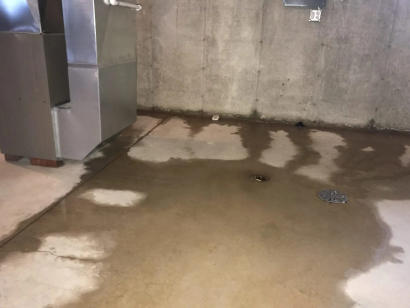
- Respiratory Problems: Mold and mildew thrive in damp environments, releasing spores into the air that worsen allergies, asthma, and other respiratory problems.
- Skin Reactions: Contact with mold or mildew can cause skin reactions, including itching, irritation, and rash.
- Risk of Infection: Bacteria and pathogens thrive in damp environments, increasing the risk of infections.
Ignoring leaks, damp walls, or standing water worsens the problem, causing worsening issues. Addressing basement moisture promptly with professional care protects your health and prevents further damage to your home.
What Causes Basement Dampness?
Understanding the main culprits behind basement dampness helps you take action before small issues turn into costly repairs.
- Poor Drainage Systems: When gutters, downspouts, or exterior drains don’t divert water away, rain and snowmelt can pool around the foundation, building pressure and forcing moisture inside.
- Cracks in Foundation Walls: Soil pressure, settling, and freeze-thaw cycles can create wall cracks that let water seep directly into the basement, even through tiny openings.
- Leaking Pipes: Plumbing leaks can saturate basement walls or floors, fueling mold growth and long-term structural damage if left unaddressed.
- High Groundwater Levels: In areas with elevated water tables, groundwater can rise above the basement floor, especially during heavy rains, leading to seepage.
- Inadequate or Failing Sump Pumps: A broken, poorly installed, or aging sump pump can leave your basement unprotected, allowing water to quickly accumulate and flood the space.
By identifying the cause of basement dampness early, you can protect your home’s structure, improve indoor air quality, and create a healthier living environment.
How to Tell if a Basement is Damp
There are several problem signs to look for when determining whether your basement has water issues. A few of these symptoms include:
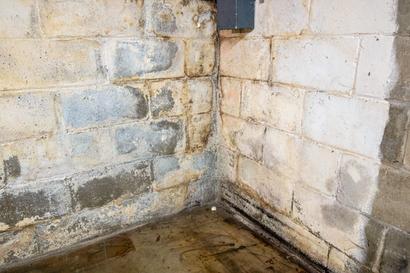
- Mold, Mildew, and Wood Rot: Mold and mildew grow in damp, dark environments. Some studies link mold exposure to headaches, fatigue, and concentration issues. Dampness also causes wood rot and structural damage.
- Musty Odor: Unpleasant odors are often associated with damp conditions.
- Water Stains: Dark water stains appear on the basement walls, floors, or ceiling.
- Peeling Paint: Moisture can cause paint or wallpaper to peel or bubble.
- Pest Infestations: Wet, damp basements attract rodents and insects. These pests often carry diseases, which cause additional health risks.
If you recognize signs of basement dampness, contact a professional as soon as possible. It’s not worth jeopardizing your health over a problem that can be resolved with proper attention.
What Can I Do To Prevent A Damp Basement?
Keeping your basement dry starts with proactive care.
- Maintain Drainage Systems: Clean gutters and downspouts regularly, extend them at least six feet from your home, and ensure your yard slopes away from the foundation.
- Seal Cracks and Repair Leaks: Inspect for cracks and leaks often, sealing minor openings and fixing plumbing issues quickly to prevent moisture intrusion.
- Install or Upgrade Sump Pumps: Make sure your basement has a reliable sump pump that is maintained regularly, and replace outdated systems with efficient models.
- Control Humidity and Ventilation: Use a high-quality dehumidifier and ensure proper airflow to reduce excess moisture and prevent mold growth.
- Inspect and Clean Regularly: Check your basement for signs of moisture, mold, or pests, and keep the area clean and decluttered to prevent hidden problems.
By following these preventative steps, you can significantly reduce the risk of basement dampness and enjoy a safer, healthier, and more comfortable home environment.
What to Do Next

Damp basements can lead to health problems that worsen over time. If you notice signs of moisture, contact a basement waterproofing professional immediately.
This page answers the question of whether a damp basement causes health problems. There is a lot of online information about basements, so we’ve compiled the most helpful facts into one comprehensive guide. Explore our Ultimate Guide to Basement Waterproofing to learn more.
Contact Groundworks for a free inspection if you suspect leaks in your basement. Just click the button below to get started!

Groundworks
Related Resources
- 5/
- 5/
- 5/
- 5/
- 5/

All I know they did a excellent job. Not only great professional crew ..brick. Steve. Drew n Prince. But so fun to be with. My brother who …
All I know they did a excellent job. Not only great professional crew ..brick. Steve. Drew n Prince. But so fun to be with. My brother who does this kind of work in Maryland said I got a deal on the price. Should have been 3 to 5k more. I don't know . I just had to get my main beam in my crawl space leveled n secured . It was ready to collapse. It's not going anywhere n have a 25 years warranty. Very happy. Thanks guys.
- 5/
- 5/
- 5/
- 5/
- 5/
Tristan an Jorge had done an excellent job for us. They were on time and work together as a team very well. They were wonderful.
Tristan an Jorge had done an excellent job for us. They were on time and work together as a team very well. They were wonderful.
- 5/
- 5/
- 5/
- 5/
- 5/
I was pleasantly impressed by the professionalism of JES. The lead time from our quote to the job was prompt and the crew had excellent…
I was pleasantly impressed by the professionalism of JES. The lead time from our quote to the job was prompt and the crew had excellent communication. Miguel Rueda and Julian Newman worked hard to get significant work done in a short amount of time, very impressed with them 👌
- 5/
- 5/
- 5/
- 5/
- 5/
Worked on correcting about a 4” drop in the garage floor. They were able to get floor back to original level and had everything cleaned up …
Worked on correcting about a 4” drop in the garage floor. They were able to get floor back to original level and had everything cleaned up well. Faster than pouring a new cement floor.
- 5/
- 5/
- 5/
- 5/
- 5/
Joshua Lynch did my inspection, he was very informative, answered all of my questions, and made sure I understood. I would recommend…
Joshua Lynch did my inspection, he was very informative, answered all of my questions, and made sure I understood. I would recommend Groundworks based on how much they seem to care about their customers.