

 AI-Powered
 6 Ways to Fix a Pipe Under a Concrete Slab
A water leak under your home’s foundation can cause significant damage if not addressed quickly. The good news is, there are several ways to fix a pipe under a slab without turning your home into a construction zone.
Whether you’ve noticed higher water bills, strange hissing sounds, or warm spots on your floor, these are signs you might have a slab leak. In this post, we’ll cover several effective ways professionals repair the issue while minimizing damage to your home.
What Causes Under-Slab Leaks?
Under-slab leaks can happen for a variety of reasons, and it’s important to understand what might be causing your plumbing issues. Some common causes include:
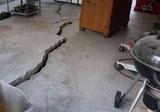
- Concrete Cracks: Concrete slabs can sink and crack because of shifting soil, potentially damaging any pipes below them.
- Shifting Soil: When the soil beneath your home moves, it can also cause pipes to crack or shift, leading to leaks.
- Corrosion: Older pipes, especially those made of copper, can corrode over time, weakening and eventually leaking.
- Poor Installation: Improperly installed plumbing is more prone to leaks and damage.
Identifying the cause is the first step in determining the best way to fix a pipe under your slab.
How Does the Under-Slab Leak Repair Process Work?
The process of repairing a pipe under your slab typically starts with a video pipe inspection. This involves using a specialized camera to inspect the pipes and identify the exact location of the leak. Once the leak is located, the appropriate repair method can be selected, whether it’s traditional slab leak repair, pipe lining, or trenchless methods.
6 Ways to Fix an Under-Slab Leak
Fixing a leak under a concrete slab is tricky and requires help from professionals. Let’s look at the most common ways a contractor might handle this situation so you know what to expect:
1. Traditional Slab Leak Repair
One of the oldest and most common methods for fixing an under-slab leak is by breaking through the foundation. In this process, professionals will use tools like jackhammers to access the pipe, repair the damage, and then restore the foundation. While this method is effective, it can be invasive and costly due to the amount of repair required after the slab is opened.
Pros:
- Direct access to the damaged pipe
- Immediate repair
Cons:
- Significant disruption to your home
- Requires foundation repair afterward
2. Under-Slab Tunneling
To avoid breaking through the slab, many homeowners opt for under-slab tunneling. This method involves digging a tunnel underneath your foundation to reach the damaged pipe. The benefit here is that your flooring remains intact, and the repairs can often be completed with minimal disruption inside your home.
Pros:
- No damage to floors or interior
- Reduces mess inside the home
Cons:
- More labor-intensive
- May be more expensive than traditional methods
3. Trenchless Slab Leak Repair
If you want to avoid breaking the foundation or tunneling, trenchless repair is a modern and less invasive option. This technique typically involves using minimal excavation around the foundation to access the pipe. Techniques like pipe bursting or pipe lining (explained below) are used to repair or replace the pipes without major digging.
Pros:
- Minimal excavation needed
- Little to no damage to foundation or landscaping
Cons:
- Not suitable for severely damaged pipes
- May require specialized equipment
4. Pipe Lining
Pipe lining is a trenchless solution that involves inserting a new lining inside the existing pipe. This technique is ideal for fixing leaks without needing to replace the entire pipe. Two common types are Cured in Place Pipe (CIPP) and Epoxy Pipe Lining, both of which create a durable, leak-proof lining inside the existing pipe.
Pros:
- Minimal digging or excavation
- Extends the life of existing pipes
Cons:
- Only works if the original pipe is still structurally sound
- Can be expensive
5. Pipe Bursting
Pipe bursting is an efficient method for replacing severely damaged pipes without major excavation. A cone-shaped bursting tool is pushed through the old pipe, breaking it apart while pulling in a new, durable pipe behind it. This technique is ideal for pipes that can’t be repaired and minimizes disruption to your property. It works like this:
- Dig small entry and exit points.
- The bursting tool breaks the old pipe as the new pipe is pulled through.
- The new pipe, typically HDPE, is connected to the plumbing system.
Pros:
- Minimal digging required
- Complete pipe replacement
- Durable, long-lasting new pipe
Cons:
- Requires specialized equipment
- Still involves some excavation
6. Re-Routing Through the Attic
If repairing the pipe under the slab is too complex or costly, re-routing the plumbing through the attic can be an effective solution. This method involves abandoning the leaking pipe under the slab and running new plumbing through the attic and walls. While it may seem like a drastic option, it can save time and prevent further damage.
Pros:
- Avoids foundation repair altogether
- Faster and less invasive than some other methods
Cons:
- May require insulation and protection for pipes in cold climates
- Potential aesthetic impact on walls and ceilings
What Are the Warning Signs of an Under-Slab Leak?
Early detection is key to preventing serious damage from an under-slab leak. Look out for these signs:
- Unexplained high water bills
- Hissing or gurgling sounds coming from your floors
- Warm spots on your floor
- Wet spots on the concrete
- Wet or saturated ground near the foundation
If you notice any of these symptoms, it’s best to contact a professional for an inspection.
Protect Your Concrete With Groundworks
If you suspect you have a leak under your slab, don’t wait until it causes significant damage. While Groundworks doesn’t repair leaks directly, we do provide industry-leading concrete leveling services.
This can prevent damage caused by burst pipes and keep concrete looking fresh for years to come. Contact Groundworks to schedule a free inspection and learn which repair method is best for your home.
Under-Slab Pipe Repair FAQs
The duration varies based on the method used, but most repairs take between 1 to 3 days.
Yes, water will be turned off temporarily during the repair process, but the disruption is usually brief.
Delaying repair can lead to severe foundation damage, increased water bills, and potential mold growth in your home.
Related Resources

Groundworks Editorial Team
Disclaimer: “Concrete leveling” means the process by which cracked, uneven concrete is stabilized, and in many cases lifted, by means of PolyRenewal™ polyurethane foam. Groundworks does not guarantee that PolyRenewal™ can make your concrete perfectly level.