AI-Powered
 What a Concrete Slab Foundation Tells Buyers
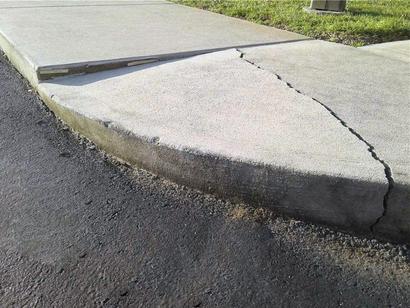
Concrete slab foundations are a popular alternative to standard basement or crawl space foundations. Nearly 3 out of 4 new developments in the U.S. are built on slabs. They’re cheaper and easier to maintain, but it’s not always that simple.
Buying a new home is exciting, but that excitement can quickly fade if unexpected issues arise. This page outlines the significance of sinking slabs, what they may signal to potential home buyers, and the repair methods available. Learn what to look for to safeguard your investment.
Advantages of Slab Foundations

- Lower Cost: Slab foundations are typically more affordable to build and maintain than crawl spaces or basements.
- Fewer Pest Problems: With no open space beneath the home, there’s less opportunity for pests like rodents or termites to infiltrate.
- Reduced Risk of Mold: Slabs eliminate the moist environments in basements and crawl spaces that often promote mold growth.
- Stability on Flat Terrain: Ideal for level lots, slab foundations provide a stable, low-maintenance base for the home.
- Energy Efficiency: Slabs can help maintain a consistent indoor temperature since there’s less air exchange with the ground below.
Drawbacks of Slab Foundations
- Limited Access for Repairs: Plumbing and electrical systems often run beneath the slab, making repairs more invasive and expensive.
- Higher Flood Risk: Homes on slabs are closer to ground level, making them more vulnerable to flooding if not properly graded.
- No Storage or Basement Space: Slab foundations don’t allow underground storage or living space, reducing usable square footage.
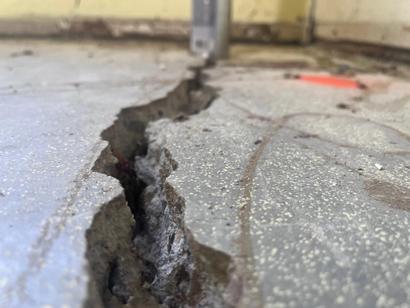
- Crack and Settlement Concerns: Slabs are susceptible to cracking and uneven settling, especially in areas with expansive or unstable soils.
- Harder Surface: Concrete floors can feel colder and harder underfoot, potentially affecting comfort without added flooring treatments.
What Does a Sinking Slab Mean for Buyers?
Sinking slabs are concrete surfaces that descend or sink unevenly into the ground. They accompany cracks, fractures, and depressions and typically occur on sidewalks, driveways, pool decks, porches, patios, and other concrete areas. Many factors, like soil erosion and excessive precipitation, cause sinking slabs that may also indicate foundation problems.
A sinking concrete slab can signal underlying soil or drainage issues that may raise red flags for prospective buyers. It suggests potential foundation instability, water pooling, or poor construction practices, all of which could lead to costly repairs down the line. Even if the home itself is structurally sound, uneven concrete can affect curb appeal, pose safety hazards, and lower the property’s perceived value.
Should You Buy a House with Sinking Slabs?
Buying a house with sinking concrete slabs isn’t an automatic deal-breaker, but it does require careful evaluation. Before committing to a purchase, it’s crucial to have the property inspected by a qualified structural or foundation specialist who can determine the extent of the damage and the underlying cause.
If the inspection shows that the issue is isolated and repairable, the cost may be relatively modest and could even be negotiated as part of the sale. However, the repairs could be more extensive and expensive if the sinking slabs are a symptom of broader foundation issues or poor site grading. In any case, understanding the full scope of the problem and obtaining quotes for professional repairs will help you make an informed decision.
Do Sinking Slabs Indicate Foundation Problems?
Sinking slabs may indicate foundation failure, but they aren’t the only warning signs. Other indicators include:
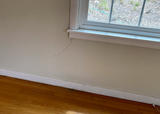
Structural Indicators
Structural problems can present signs both inside and outside the house. These include:
Exterior Problem Signs
Exterior signs indicating potential foundation issues typically occur outside of the house. These include:
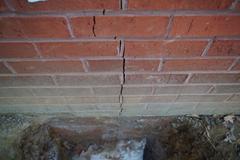
If you notice these signs, contact a foundation repair expert for an inspection to determine if repairs are needed.
How to Inspect Sinking Concrete Slabs
When house hunting, pay close attention to the concrete slabs, especially those in high-traffic areas like driveways and patios. Here are a few things to check that may indicate foundation problems:

- Check for Concrete Cracks: These indicate underlying issues, like soil erosion or foundation settlement.
- Observe the Direction of Sinking: The direction in which the slabs are leaning reveals drainage patterns and potential foundation problems.
- Test for Spongy or Loose Areas: Walk over the slabs and feel for loose areas, indicating voids beneath the slab.
- Inspect for Unevenness: Check for uneven or sloping slabs.
- Look for Water Drainage Issues: Observe the drainage around the slabs. Pooling or standing water may indicate drainage issues, contributing to slab sinking.
- Consider the Age of the Home: Older homes may have older slabs that are more likely to show signs of wear and tear, including sinking.
By carefully inspecting sinking slabs, you can better assess the potential condition of the foundation and make an informed decision about the property.
How to Fix a Sinking Slab
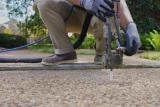
Sinking concrete slabs are best resolved when the underlying causes of damage are also addressed. Slab piers are a way to reinforce concrete slab foundations by digging deeper into sturdy soil. We recommend PolyRenewal™ polyurethane foam injection for concrete slab lifting and soil stabilization.
It provides a clean, smooth finish and minimal disruption to surrounding landscape compared to traditional repair methods like mudjacking. PolyRenewal™ is an environmentally-friendly, lightweight, waterproof solution that provides long-term, effective results.
What to Do if You Discover Sinking Concrete Slabs

It’s natural to feel concerned when you discover sinking slabs or foundation issues in the potential home of your dreams. At Groundworks, we understand your worries and offer free inspections to assess the damage and suggest customized repair options.
If the seller addresses the repairs before the sale, the warranty will transfer to you as the new owner, providing you with continued peace of mind.
Contact us today to learn more.
Concrete Lifting FAQs
It depends on the method selected. Polyurethane foam injection addresses the soil instability or voids under the slab by stabilizing the soil beneath it.
PolyRenewal™ concrete lifting is a lasting solution for uneven, sinking concrete. The eco-friendly polyurethane foam gently lifts slabs, fills gaps, and stabilizes the soil beneath, providing a reliable and lasting solution for your home.
The costs of concrete lifting vary based on project-specific details like the size of the concrete area and the severity of the damage. PolyRenewal™ injections are cost-effective compared to complete slab replacement or DIY installations. Contact a local professional for a free concrete inspection and estimate.

Groundworks Editorial Team
Related Resources