AI-Powered
 7 Effective Solutions for Crawl Space Water Problems
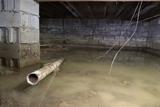
When was the last time you checked the crawl space for standing water?
True, it can be dangerous to enter your crawl space alone, but you still need to be vigilant about the condition of this area beneath your main living space.
Left unchecked, water in your crawl space can wreak havoc. Typical signs of standing water include wood rot, termite infestation, mold growth on wooden surfaces, and sloping wooden floors.
Here, we explain the major causes of standing water in the crawl space and suggest ways to prevent the problem.
What’s the Source of Standing Water?
Unfortunately, there isn’t one particular reason why water is standing in your crawl space. Before we get into ways to stop it, let’s look into why it’s occurring—you may have to do a bit of detective work to uncover the sources, which could be one or more of these:
- Ground Moisture
Exposed dirt allows rainwater into the crawl space. This happens when the vapor barrier is damaged or installed improperly.
- Open Crawl Space Vents
Water also enters through open vents, especially if your yard grading slopes toward the foundation.
- Foundation Cracks
Cracks in your foundation act as entry points for water. Water that seeps through cracks will always leave visible signs.
- Leaking Pipes
Old, damaged, or weakened pipes are often to blame for standing water in the crawl space. Have a plumber inspect your plumbing for leaks. With the faucet turned on, you should be able to determine if there’s a leak.
- Clogged Drains
If you have a low-point drain installed in the crawl space, check it, as this system can easily get clogged if it is installed without a filter.
How Do I Stop Standing Water?
If you’ve found water in your crawl space, it’s important to take action quickly to prevent further damage. Here are the top six ways to stop water from accumulating and keep your home dry:
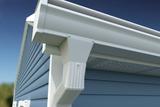
1. Improve Drainage
Ensure your gutters and downspouts properly direct water away from your foundation. Extending downspouts at least 10 feet from your home can help prevent water from pooling near the crawl space.
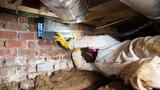
2. Seal Crawl Space Vents
Open vents are essentially welcome signs for precipitation, outside air, and pests. Keep all these nuisances out by blocking off these openings on your crawl space walls.
We typically cut blocks of our insulation panels to fit inside these vent openings from your crawl space interior. We can also add exterior vent covers at your request. Once we seal the vents, we’ll place the full insulation panels on the crawl space walls.
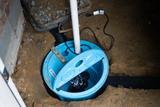
3. Install a Sump Pump
A sump pump is an essential tool for removing water that collects in your crawl space. It works by pumping water out and away from your foundation, helping to keep the area dry, especially during heavy rains.
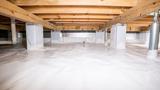
4. Encapsulate the Crawl Space
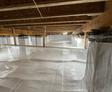
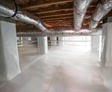
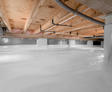
Encapsulation involves sealing the crawl space with a vapor barrier that covers the floors and walls. This helps keep moisture out and improves the overall air quality of your home by reducing humidity levels.
5. Install an Interior Drainage System
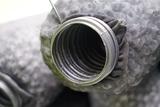
An interior drainage system can be installed along the perimeter of your crawl space to collect water and direct it to a sump pump. This method is highly effective in managing water intrusion from the foundation. Groundworks’ innovative CrawlDrain™ system features thick corrugated and perforated pipe surrounded by filter fabric to prevent clogging. These drains are also compatible with other crawl space encapsulation solutions.
6. Use a Dehumidifier
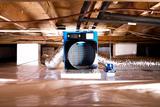
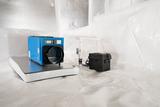
Excess moisture can still linger, even after drainage is installed. Installing a high-quality crawl space dehumidifier is crucial for maintaining optimal humidity levels. Not only does it help prevent mold growth and other moisture-related issues, but it also significantly improves the overall air quality in your home.
A dehumidifier ensures a healthier, drier living space while protecting your home’s structural integrity from long-term damage caused by dampness.
7. Seal Foundation Cracks
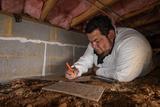
Water can seep into your crawl space through small cracks in the foundation. Repairing these cracks with a waterproof sealant or injection system is key to preventing further water intrusion.
What Are the Benefits of Crawl Space Waterproofing?
With effective crawl space drainage and encapsulation systems in place, you can enjoy many advantages, including:
- Improved indoor air quality
- Decreased musty odors
- Lower humidity levels
- No more mold and mildew growth
- Better energy efficiency and lower utility bills
- Fewer pest infestations
- Greater structural stability
- Enhanced home value
Contact Groundworks for Effective Crawl Space Water Removal

Any water in your crawl space is problematic and must be addressed promptly. It’s equally important to fix it the right way the first time. The waterproofing experts at Groundworks are eager to help you resolve the problem of water under the house.
Contact us today to schedule a free crawl space waterproofing inspection, get a free quote, and receive recommendations for keeping water out.
Crawl Space FAQs
Yes, proper crawl space insulation can significantly reduce energy bills by preventing heat loss in the winter and heat gain in the summer.
Yes, encapsulating the entire crawl space, including the floor and walls, is essential for creating a complete moisture barrier and improving energy efficiency.
We recommend yearly inspections to catch and address crawl space problems early. Groundworks offers free, no-obligation inspections, as well as annual maintenance appointments to ensure your crawl space remains in good condition.
Related Resources