AI-Powered
 What Is Foundation Waterproofing, and Why Do You Need It?
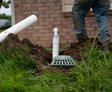
One of the biggest problems that may affect your foundation is water damage. Excess water from heavy rainfall, snowmelt, and other sources can saturate the soil around your home, potentially resulting in soil erosion and movement. If ignored, your foundation might crack, settle, or shift.
Foundation waterproofing is the best way to solve these challenges.
Learn more about foundation waterproofing what it involves, and its benefits.
What Is Foundation Waterproofing?
Foundation waterproofing prevents water from entering your foundation and causing structural damage. It often includes drainage systems and moisture barriers that protect your home from long-term issues.
Why It Matters
Excess water around your foundation can lead to cracks, leaks, and structural movement. Foundation waterproofing helps maintain the strength and stability of your home.
Risks from Soil and Water
Clay soils expand when wet and shrink when dry, putting pressure on foundation walls. Homes in areas with high water tables also face hydrostatic pressure, which forces water through basement walls and floors.
Protect Your Home
Investing in foundation waterproofing helps prevent costly repairs, protects your home’s value, and keeps moisture problems from getting worse over time.
Signs You Need Foundation Waterproofing
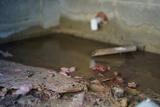
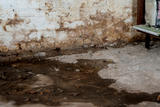
You might need foundation waterproofing if you experience the following:
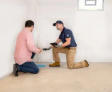
Get in touch with Groundworks if you notice these warning signs. Our team can inspect your foundation and determine the root cause of water intrusion in your home.
How To Waterproof Your Foundation
Popular foundation waterproofing methods include:
Landscape Grading
This involves a landscaper leveling the ground around your foundation to ensure proper water flow and drainage. Doing so can prevent water from pooling in one area, preventing damage to your home.
Gutters and Downspouts
Gutters and downspouts collect excess rainwater and snowmelt and reroute it away from your foundation. You’ll want to maintain these systems regularly to ensure long-lasting waterproofing.
Drainage Systems
Different drainage systems work to keep water away from your foundation and out of your home. Exterior solutions like French drains redirect groundwater away from the structure, while interior perimeter drains manage moisture inside the home and prevent leaks.
Other common basement waterproofing products include sump pump systems and dehumidifiers.
Climate & Soil Factors in Foundation Waterproofing
Your region’s climate and soil type play a major role in determining the urgency and method of foundation waterproofing. Certain conditions increase the risk of water intrusion and foundation damage, making waterproofing not just a smart choice but a necessary one.
Here’s how climate and soil can impact your foundation:
- Consistent rainfall can saturate the ground around your foundation.
- Without proper drainage, this leads to hydrostatic pressure, pushing water through cracks or porous materials.
- Waterproofing helps create a barrier between your foundation and the surrounding moisture.
- Clay expands when wet and shrinks when dry, putting pressure on foundation walls.
- This constant movement can lead to cracking, shifting, and water infiltration.
- Foundation waterproofing helps reinforce the foundation against these changes.
- Water in the soil freezes and expands, then thaws and contracts—over and over.
- This cycle causes stress on the foundation, often leading to cracks or shifting.
- Waterproofing prevents water from settling near the foundation in the first place, reducing damage from freezing.
- Even in drier climates, poorly draining soil can trap water near your home.
- Without proper waterproofing, this leads to seepage and basement or crawl space moisture problems.
In regions with any of these conditions, foundation waterproofing is essential for protecting your home’s structure and maintaining long-term durability. A local expert can assess your soil type and climate risks to recommend the right solution for your home.
How Foundation Waterproofing Changes Based on Foundation Type
Not all foundations are the same—and neither are their waterproofing needs. The type of foundation your home has determines the best protection strategy.
Slab Foundations
For slab foundations, foundation waterproofing often focuses on grading, sealing cracks, and interior drainage to keep water from damaging your home.
Crawl Space Foundations
Crawl spaces are especially vulnerable to moisture. Waterproofing typically includes vapor barriers, drainage systems, and full encapsulation to control humidity and prevent mold.
Basement Foundations
Basements require the most comprehensive foundation waterproofing approach, combining interior drains, sump pumps, and dehumidifiers to stop leaks and manage groundwater.
How Groundworks Can Waterproof Your Foundation

Groundworks is the trusted leader in foundation waterproofing, offering proven solutions to keep your home dry and protected.
Our team specializes in identifying moisture problems early and installing effective waterproofing techniques that prevent long-term damage.
With expert service, quality products, and a commitment to lasting results, Groundworks helps you avoid costly repairs down the line. Contact our team for a free foundation inspection and estimate.
Foundation Waterproofing FAQs
Poor drainage causes water to pool around the foundation, compounding the effects of a high water table and increasing seepage risks.
Yes, crawl spaces are also vulnerable to water seepage, leading to high humidity, mold growth, and wood rot.
While waterproofing your foundation is not required, it is highly recommended. Waterproofing your basement or encapsulating your crawl space can protect your space from excessive humidity, mold, and pest infestations.