

 AI-Powered
 Adding Load Bearing Capacity to Floors with Heavy Load Requirements

Commercial floors see their fair share of wear and tear. Through forklift traffic, tall shelves of heavy products, active equipment usage, and more, these floors endure the ever-changing demands of running a business. When you consider the significance of heavy load requirements, it’s no wonder that commercial concrete floors may shift or become damaged over time. To protect the integrity of the floors that keep businesses running smoothly, commercial warehouse owners and facility managers should be aware of the signs of concrete floor damage and know what can be done to resolve these issues. Continue reading to learn how to spot early signs of damage and how Groundworks can level and add load bearing capacity to commercial concrete floors.
Signs of Damage to Commercial Concrete Floors
The heavy load requirements faced by commercial facilities may cause concrete floor settlement and damage. Here is what owners, managers, and even production crews can watch out for.
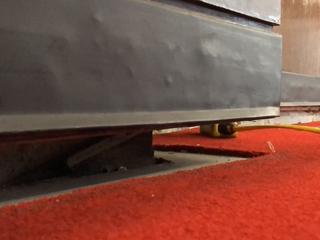
Gaps Between the Floor and Wall
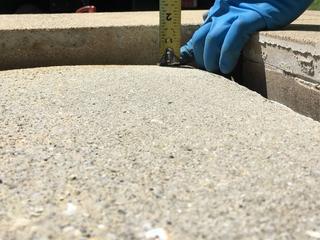
When concrete floors sink, they may begin to pull away from the connecting walls.
Cracks
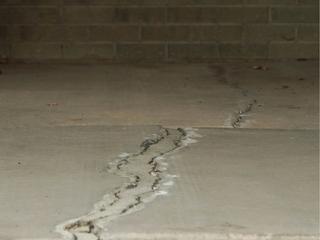
Cracks in concrete slab floors can indicate structural shifts happening. These cracks may be brand new, or you may notice existing cracks widening or spreading.
Uneven or Sloping Floors
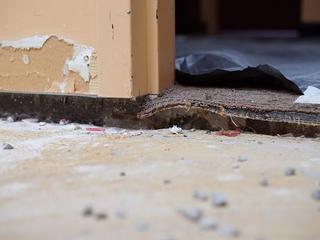
Concrete floors may become uneven overtime. This is called differential settlement, where one side of the slab may sink more than the other side. It may be the result of poor soil compaction or soil loss occurring in one area under the slab. For machinery and equipment that are sensitive to calibration, this may be a major issue.
Water Pooling
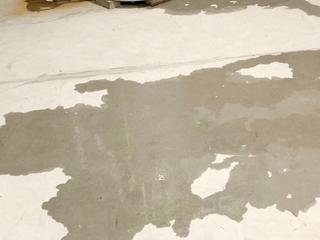
The slopes created by differential settlement may result in drainage issues and pooling water in floors with drains.
Trip Hazards
Uneven concrete floors can become trip hazards, especially if the joints of the concrete slabs are different heights.
Rocking Slabs
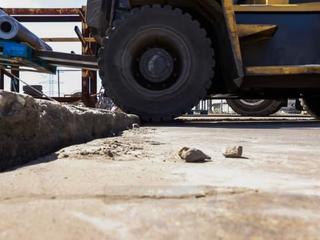
Moving slabs, also known as rocking slabs, are slabs that move when heavy machinery is being operated. These slabs pose a substantial risk of lost loads to forklifts, as well as the potential to damage other machinery as it operates.
Doors and Windows Closing Incorrectly
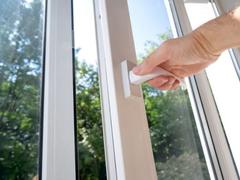
Doors and windows that become difficult to open and close or seem to have a hard time staying closed, can indicate that your floor has shifted.
Commercial Concrete Floor Leveling from Groundworks
Taking care of uneven concrete floors can benefit your facility by potentially reducing machinery damage and the need for recalibration, reducing the risks of trip hazards and forklift accidents, and can slow or stop structural damage occurring within the building.
When concrete floors begin to sink, shift, or crack, polyurethane injection offers an efficient and minimally disruptive solution for getting them back to grade. Rather than tearing out and replacing entire slabs, polyurethane is injected beneath the concrete where it expands, fills voids, and then gently raises the floor to a level position. This solution can restore load bearing capacity to floors with heavy load requirements.
Polyurethane injection is ideal for active commercial environments such as warehouses, distribution centers, retail spaces, production floors, and more. This is because the material cures quickly, allowing operations to resume with minimal downtime. The process is also cost-effective when compared to replacement, and it restores support beneath the slab to help prevent future settlement.
If your commercial facility is dealing with uneven floors, addressing the issue early can help prevent equipment vibration, trip hazards, product damage, and workflow interruptions. Groundworks provides commercial floor leveling solutions that restore function, reduce risk, and keep businesses moving efficiently. Contact us today to schedule an evaluation and take the first step toward safer, smoother flooring.