

 AI-Powered
 Droughts in the US: How It Affects Soil Conditions and Commercial Buildings
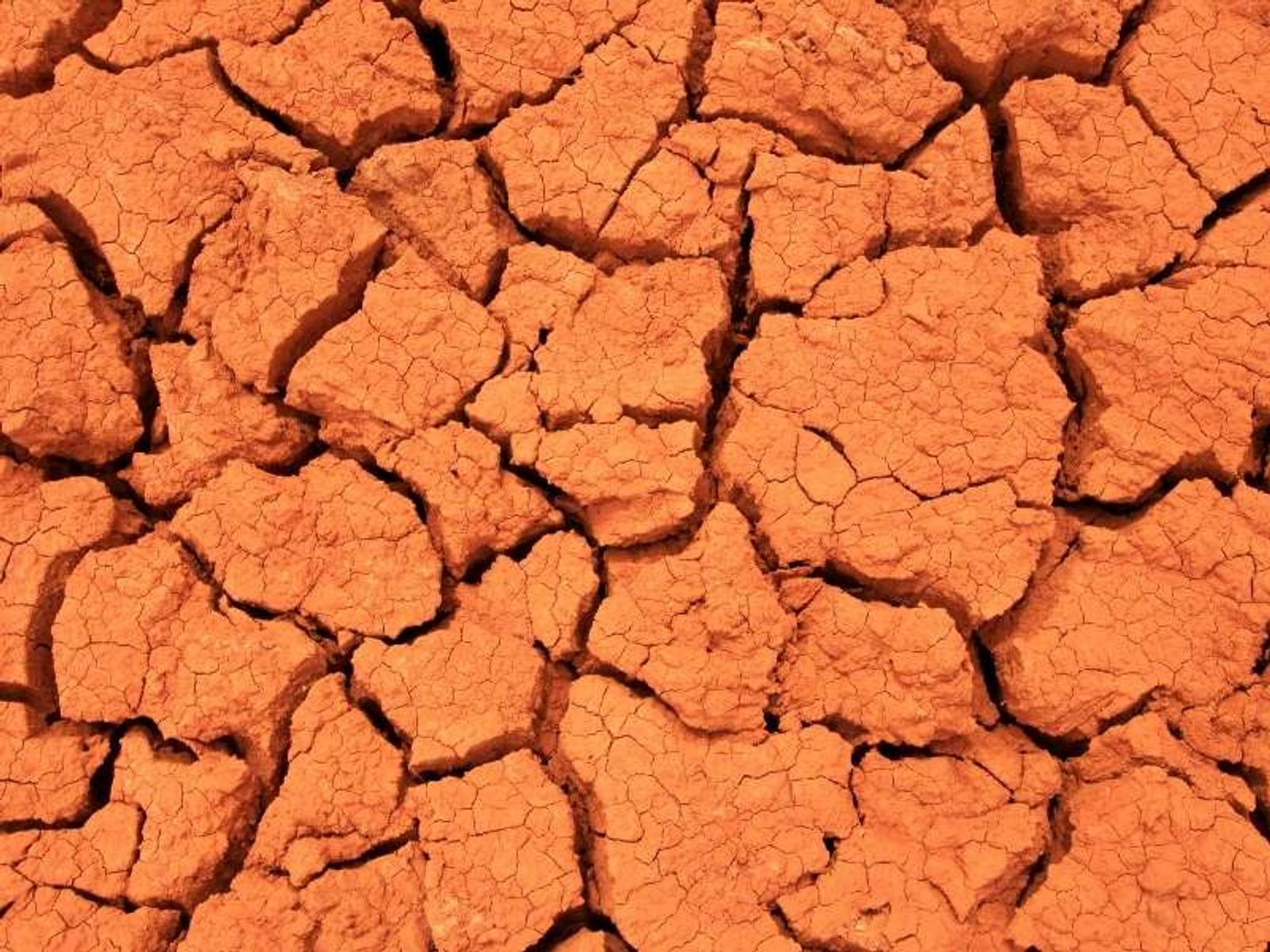
Across the United States, many of us are feeling the burn of drought conditions. We’re having minimal rain, the news is offering advice on how to save water, rules are even being put into place for some areas on water use, restricting sprinkler usage and encouraging fast showers. And it’s not just desert states experiencing drought. From April 28 to May 26, 2026, drought monitoring data from NOAA and NIDIS indicated that approximately 51% of the United States was experiencing drought conditions, demonstrating how widespread these conditions can become across a variety of climates and regions. Let’s dive into how drought conditions can impact soil conditions across the United States and how this ultimately may affect your commercial property.
Drought and Soil Conditions
The dryness that comes with drought conditions can significantly impact soil conditions, no matter the soil type. Whether sand, silt, clay, or loam, the absence of water can be felt by every soil. During drought conditions, all soils, especially clay soils, begin to contract. This contraction can look like:
- Cracking in top layers of soil
- Soils shifting away from commercial building foundations, concrete structures, and parking lots
- Soil separation from plant roots
- Loss of soil structure or very compacted soil
In addition to contraction occurring within the soils, you may also see:
- Vegetation die or become dormant
- Hardened soil
- Dusty soil that makes dust clouds when the wind blows
- Soil color changes
- Increased soil temps
- Reduced water infiltration when rain does come or irrigation is used
- Increased visibility of tree or plant roots
How Drought Conditions May Worsen Soil Loss
Unfortunately, with drought conditions comes increased risk of soil loss. This risk is increased because of multiple factors.
Plant Loss
The death or dormancy of plants leads to a decrease is root volume. The roots of grass, trees, and plants help hold soils in place. When these roots shrink, wind can kick up soil more easily. Windstorms may carry away soil that becomes airborne more easily during drought. Additionally, when rain does finally come, the loss of root volume can result in soils washing away more easily. Without plant roots to hold soil in place, rain can wash away the top layers of soil.
Dry Soil
Dry soil can harden and compact, making it more difficult for the ground to absorb water again. When rainfall returns or irrigation methods are used, water may pool on top of the soil surface instead of soaking in. In areas with slopes, this can result in rainwater runoff carrying away loose soil particles, increasing the potential for soil loss.
Rapid Soil Destabilization
Periods of drought can significantly alter the internal structure of soil. When rain finally returns, the rapid introduction of moisture can destabilize soils that have been dried and weakened over time. As dry soils quickly absorb water, soil aggregates may break apart and cohesion between particles can temporarily decrease. This sudden change in moisture conditions can cause loose soil particles to become easily mobilized, increasing the potential for erosion and soil displacement.
Small Changes That Support Soil Stability During Drought
While drought conditions are largely driven by regional weather patterns, responsible water use and landscape management can still help reduce stress on local soils. Efficient irrigation practices, minimizing unnecessary water use, and maintaining healthy vegetation can all support soil stability during extended dry periods.
Vegetation and ground cover help hold soil in place, while thoughtful irrigation allows moisture to penetrate the ground rather than evaporate at the surface. These practices can help landscapes better withstand drought conditions and reduce the risk of erosion when rainfall eventually returns.
However, even with responsible water management, prolonged drought can still cause significant soil movement and instability. When these conditions begin to impact structures, professional evaluation and stabilization may be necessary.
How Soil Conditions from Drought Impact Commercial Facilities
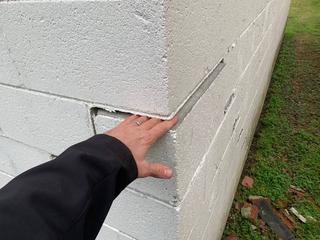
When droughts wreak havoc on soil conditions, commercial properties can feel those impacts. Contraction from dry soil can result in:
- Settled and cracked foundations
- Cracking, sinking, or settled concrete and pavement such as sidewalks, parking lots, and steps
- Sunken and uneven concrete slab floors, which can result in misaligned equipment and trip hazards
- Wall cracks and other structural damage
- Windows and doors no longer closing properly
How Groundworks Can Help Mitigate Issues Caused by Drought Conditions
At Groundworks, our team specializes in solutions for problems caused by soil conditions. When soils beneath a building are failing, we can:
- Use polyurethane injection to stabilize the foundation or concrete on your commercial property
- Use helical piles or push piers to support your building’s foundation
- Use a combination of solutions to meet your buildings unique needs
Drought conditions affect more than just water availability. Extended dry periods can change the way soils behave, from hardening and cracking to becoming more susceptible to erosion when rain eventually returns. These shifts can impact landscapes, vegetation, and even the stability of the ground under commercial structures.
Groundworks specializes in identifying and addressing soil-related issues before they become larger structural problems. If you suspect drought conditions may be affecting the stability of your soil or building, our team can provide expert guidance and solutions to help protect your commercial property.